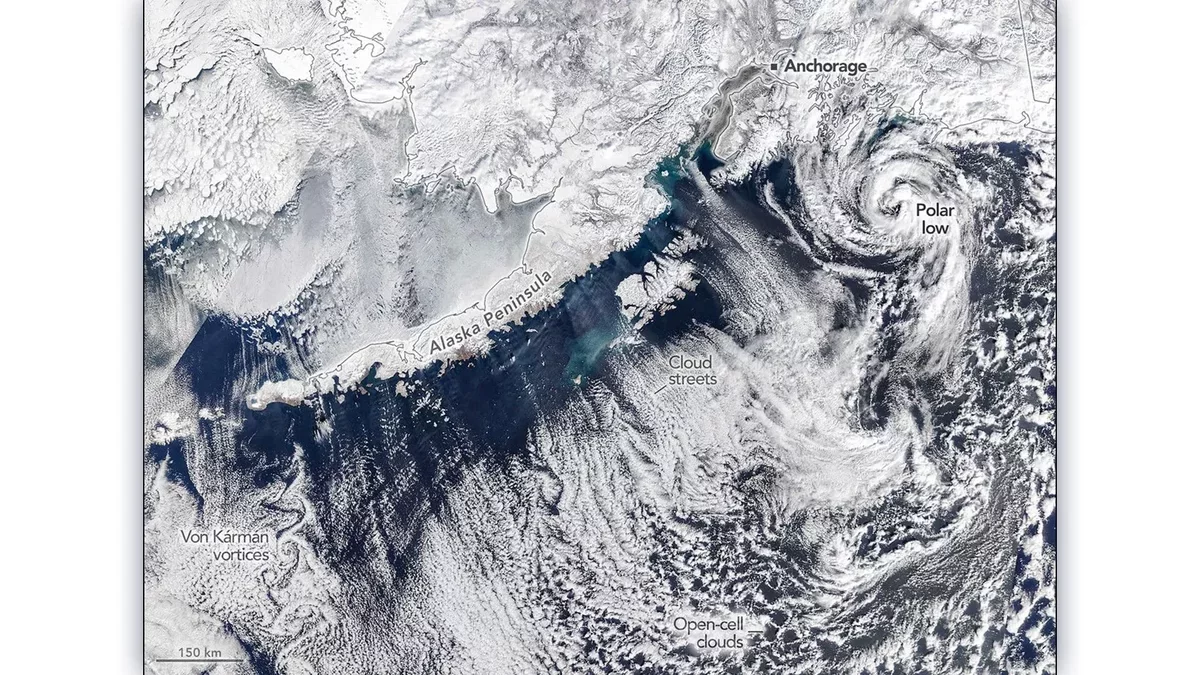
Researchers have conducted an extensive study on Alaska's North Slope, an area comparable in size to Wisconsin, where numerous rivers and streams flow into the Beaufort Sea. Analyzing 44 years of high-resolution model data, they discovered a significant increase in runoff, with rivers transporting larger quantities of carbon and an extended thaw season that now stretches into late summer and fall. These findings are documented in the journal Global Biogeochemical Cycles.
The Arctic's Vital Role in Global Water Systems
The rivers of the Arctic play a crucial role in the global hydrological cycle, contributing approximately 11% of the world's river water to an ocean that comprises only 1% of the total ocean volume. This unique dynamic makes the Arctic Ocean particularly vulnerable to alterations in river systems.
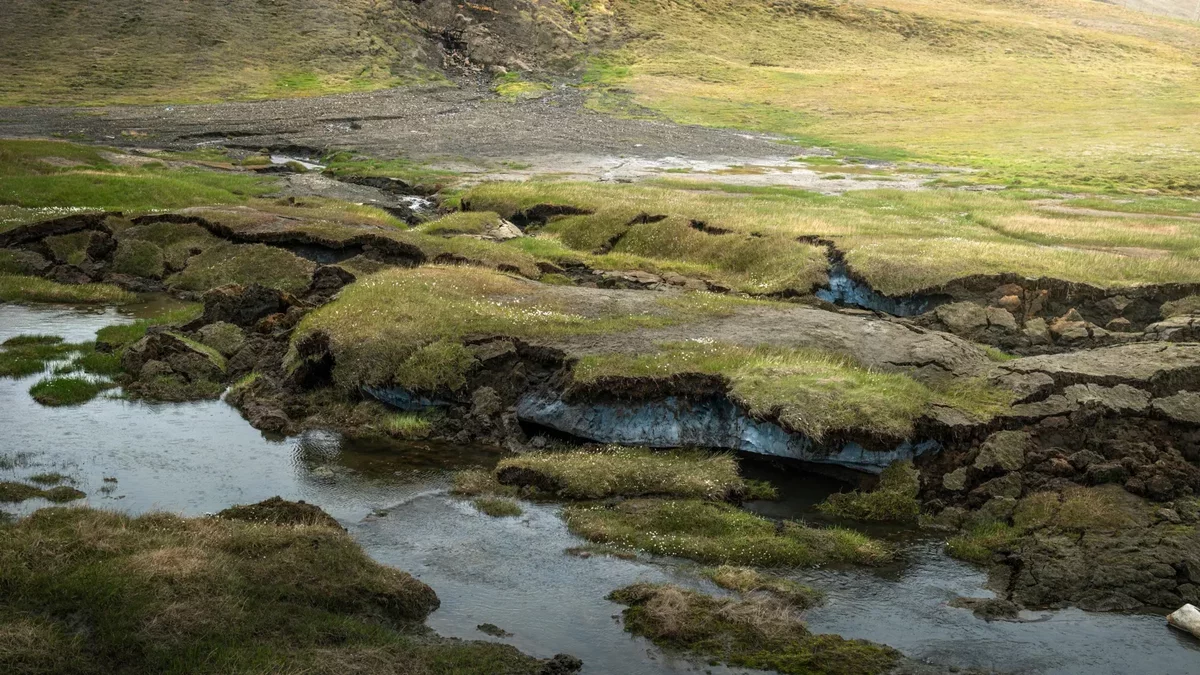
While melting snow contributes significantly to river water, thawing permafrost is increasingly becoming a key factor. The "active layer" of the ground, which undergoes seasonal freezing and thawing, is deepening due to climate change, facilitating greater groundwater flow into Arctic rivers.
Releasing Ancient Carbon
The active layer contains vast amounts of organic material that have been preserved for millennia. As it thaws, more of this organic matter is released into rivers as dissolved organic carbon (DOC), which ultimately reaches the ocean.
Currently, the Arctic Ocean absorbs a disproportionate amount of carbon compared to other regions, with over 275 million tons converted into carbon dioxide each year, contributing to a feedback loop that exacerbates global warming.
Modeling Challenges and Innovations
Gaining insights into how Arctic rivers respond to warming is complex due to limited direct measurements. "Direct observations are sparse in northern Alaska," explains Rawlins, an extension associate professor at UMass Amherst. To bridge this knowledge gap, he developed the Permafrost Water Balance Model over the past 25 years, which estimates essential processes like snow accumulation and changes in the active layer. In 2021, the model was enhanced to simulate dissolved organic carbon, and by 2024, it was applied across 22.45 million square kilometers of Arctic territory.
The model predicts that over the next 80 years, the Arctic could see a 25% increase in runoff and a 30% rise in subsurface flow, alongside growing dryness in southern regions.
High-Resolution Insights
Prior models operated on a 25-kilometer grid, but this study utilizes a more refined kilometer-scale approach, allowing for detailed observations over a vast area and extended timeframe. "This study represents the first comprehensive capture of Arctic changes at such a granular level," Rawlins notes.
With significant computational requirements, each simulation ran continuously for ten days on a supercomputer at the Massachusetts Green High Performance Computing Center.
Carbon Export Patterns in Northwest Alaska
The research indicates that while thawing and runoff are increasing throughout the Arctic, the most significant carbon export is occurring in northwest Alaska, where the landscape facilitates greater carbon mobilization from ancient permafrost.
Implications of a Lengthening Thaw Season
One of the most striking observations is the prolonged thaw season, now extending into September and October. These changes are likely impacting salinity, nutrient cycles, and food webs in the Beaufort Sea. Ongoing studies are examining how ice wedge polygons, common in Arctic landscapes, affect the movement of water and carbon toward coastal areas.
Future Research Needs
Understanding the transfer of DOC to the ocean through rivers is a crucial yet underexplored aspect of the carbon cycle. "We need more studies on land-to-ocean connections to fully comprehend the implications of global warming on coastal ecosystems," Rawlins emphasizes. This research is supported by the U.S. National Science Foundation and NASA.