Researchers from Mexico's National Institute of Anthropology and History (INAH) have identified a structure at the Teteles de Ávila Castillo archaeological site as a 2,500-year-old solar observatory. The site lies in the Sierra Norte region of Puebla and has been under excavation since 2015.
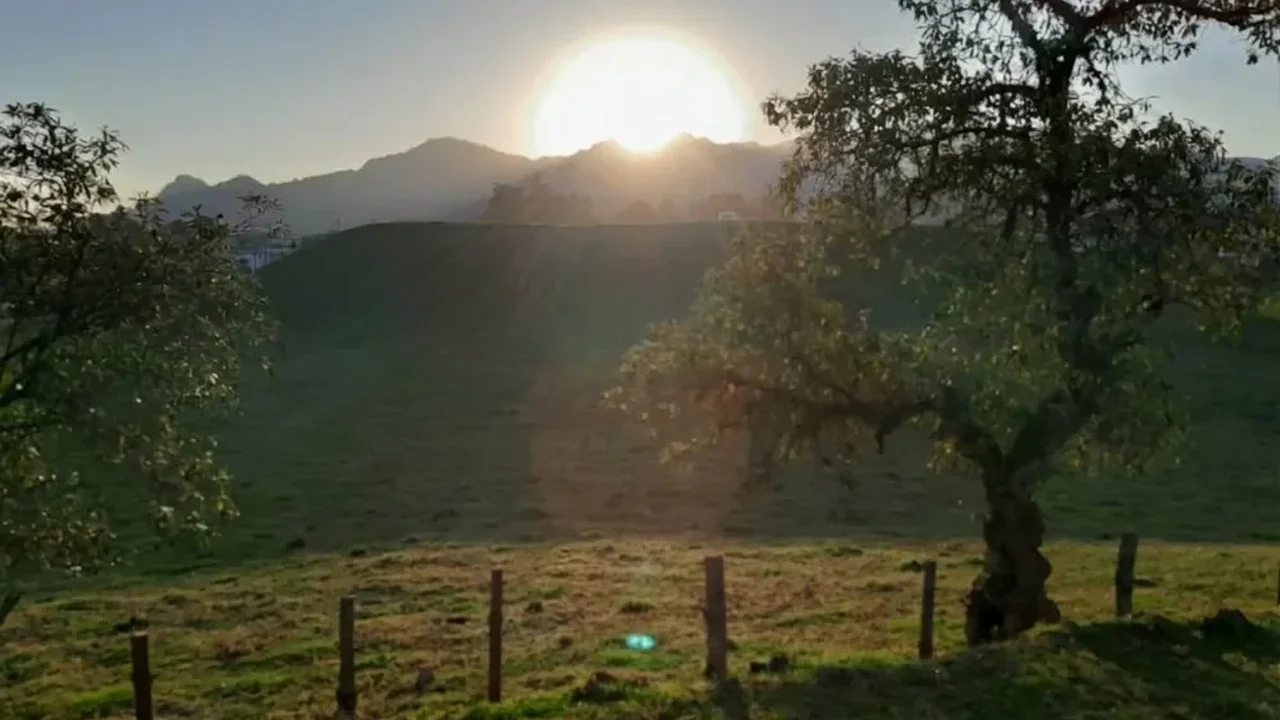
The complex dates to the Middle Preclassic period, around 900-600 BCE. Its layout appears to have helped people observe the Sun's movement and mark key points in the agricultural year. Researchers say the eastern base aligned with the Sun around equinoxes and solstices, while the structure's orientation may have helped track the Mesoamerican calendar's start in February and the harvest season in October.
Finds at Teteles, including green obsidian beads, also point to the site's connections with wider trade networks. The beads may link the settlement to Teotihuacan, which controlled the quarry where the obsidian originated.
INAH plans to open the archaeological site to visitors and eventually establish a museum. The discovery adds to understanding of how ancient communities incorporated astronomy into ceremonial spaces and seasonal planning. Further study of the site may help clarify how early astronomical observations shaped calendars and agricultural life.