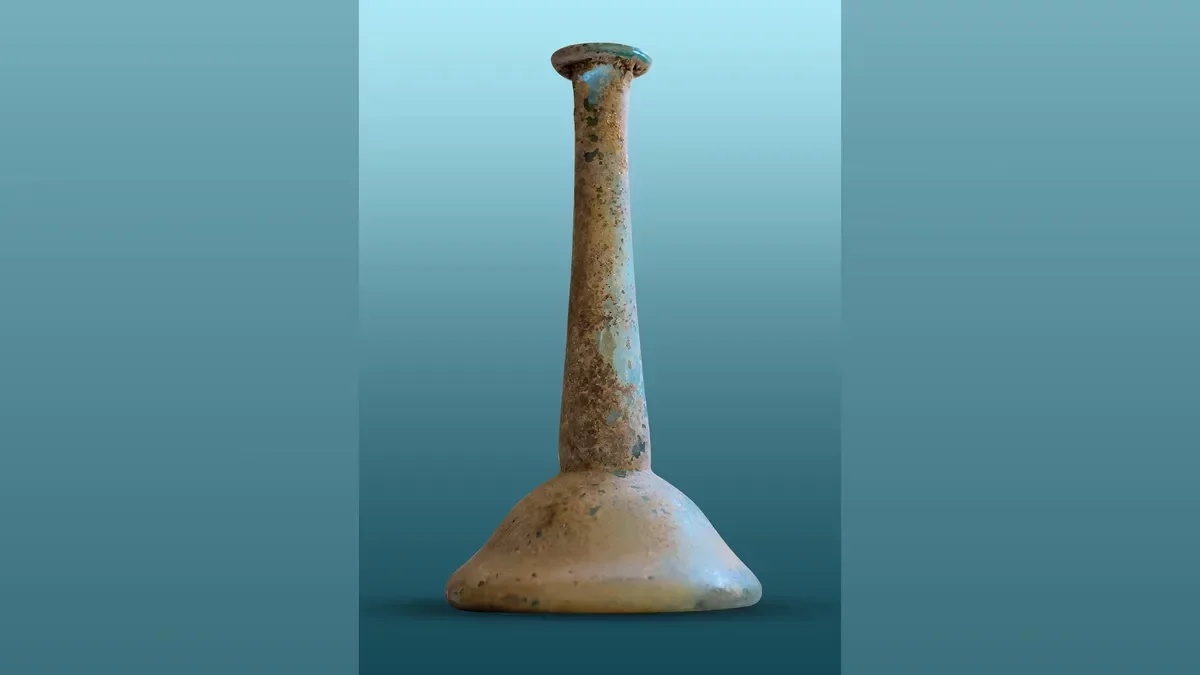
In a fascinating discovery, researchers have identified evidence that ancient Romans utilized human feces as a medicinal ingredient. This revelation emerged from the analysis of a second-century glass vial found in Bergama, Turkey, which contained unexpected dark-brown residues.
Cenker Atila, an archaeologist at the Bergama Museum, noted that while examining various glass vessels, he found residues in seven of them, with one yielding particularly significant results. This vial, believed to have originated from a tomb in Pergamon, a prominent medical center of its time, provided rare chemical proof of its contents.
An Unconventional Remedy
Using advanced techniques like gas chromatography and mass spectrometry, researchers identified two key compounds: coprostanol and 24-ethylcoprostanol. These substances are produced during the digestion of sterols, indicating that the vial likely contained human fecal material.
"The consistent identification of stanols -- validated fecal biomarkers -- strongly suggests that the Roman unguentarium originally contained fecal material," the researchers reported in their findings.
Interestingly, the analysis also revealed the presence of carvacrol, a compound derived from thyme oil. This aligns with ancient practices where unpleasant-tasting remedies were often combined with aromatic herbs to mask their odor.
Atila explained, "In this sample, we identified human feces mixed with thyme. This combination reflects the medicinal preparations used by the renowned Roman physician Galen." Ancient physicians, much like their modern counterparts, had to convince patients to consume remedies that were often unpalatable, making the use of thyme a strategic choice.
Historical Context and Cultural Insights
While the use of dung in Roman medicine has been documented in historical texts, tangible evidence has been scarce. The degradation of organic materials over time and cultural taboos surrounding feces have hindered researchers' ability to uncover such artifacts.
By examining classical writings alongside chemical evidence, researchers have drawn connections to ancient authors who described various ailments treated with dung, including inflammation and infections. This new discovery encourages archaeologists to rethink the purpose of everyday objects in Roman life, where the boundaries between fragrance, hygiene, and therapy were often blurred.
Ultimately, this find highlights the Romans' sophisticated understanding of sensory experiences in medicine. The combination of feces and thyme reflects a keen awareness of the importance of smell in healing practices. Interestingly, contemporary medicine has also revisited the potential benefits of human waste, as seen in fecal microbiota transplantation, which utilizes screened stool to restore gut health.