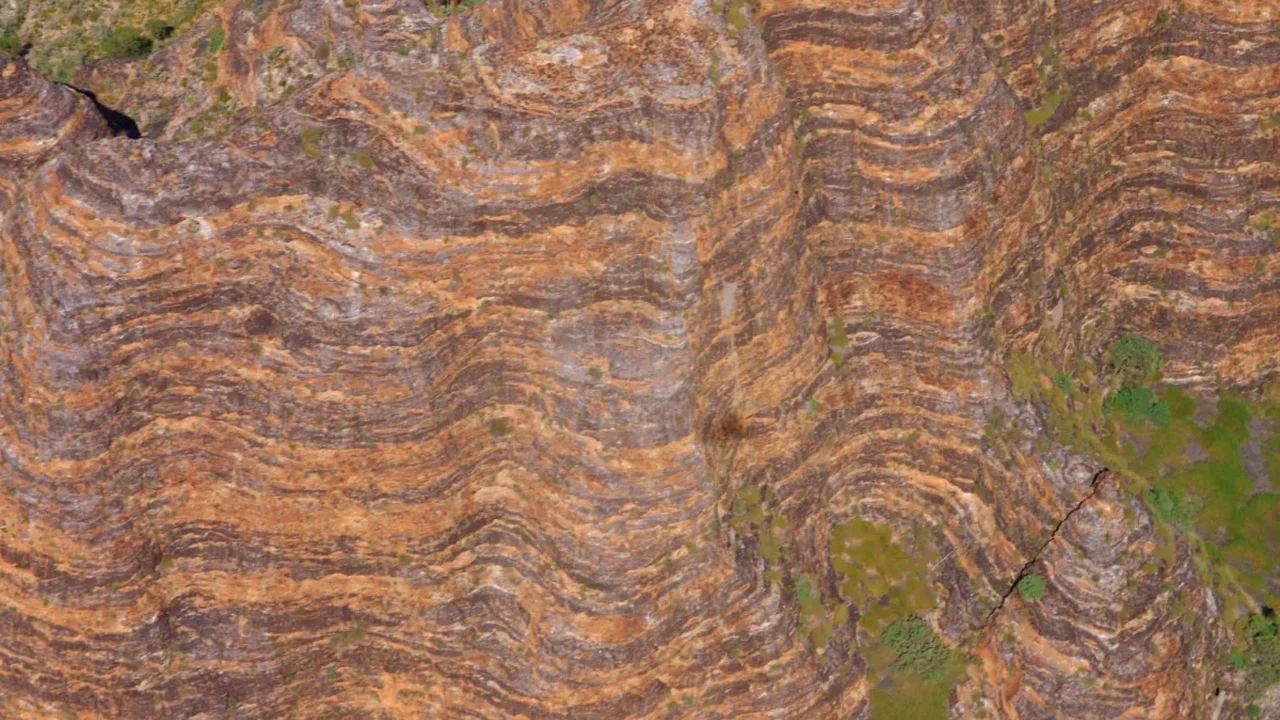
A chemical signature preserved in ancient rocks may help pinpoint when Earth's surface began to change in a fundamental way. An analysis of more than 1,200 rock samples suggests that a major shift occurred around 2.5 billion years ago--possibly marking the emergence of plate tectonics.
A chemical record in stone
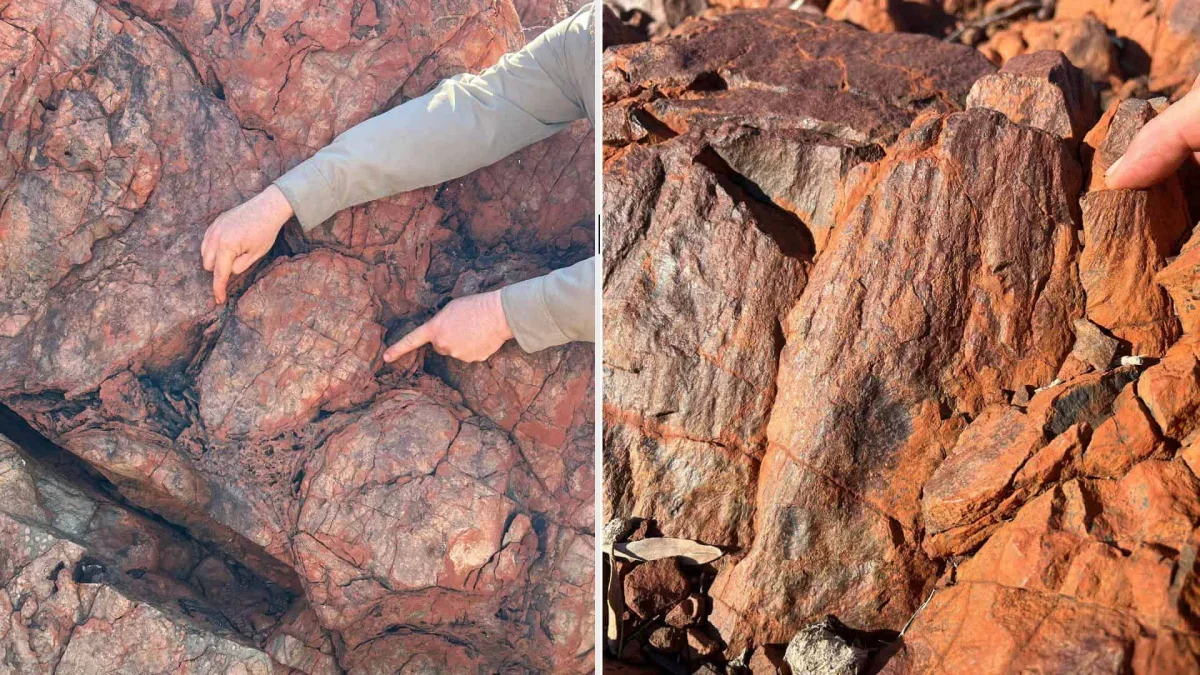
Continents are continually reshaped as sections of Earth's crust move, collide and sink back into the mantle. These processes also destroy much of the geological evidence that could reveal when plate tectonics began. Some minerals, however, retain chemical traces of the rocks from which they formed.
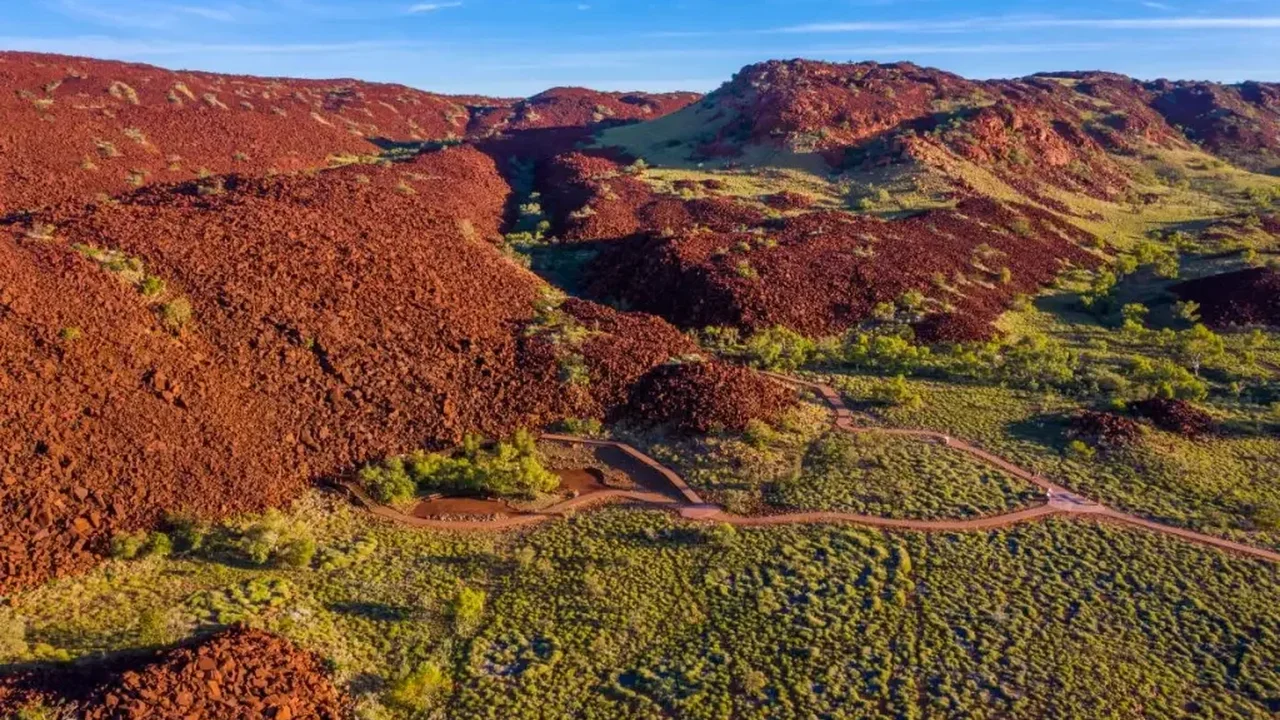
Researchers examined samples from ancient landmasses in Australia, Africa, North America and Europe, covering nearly four billion years of geological history. The team, which included a researcher from Curtin University, looked for signs of older crust being melted and reused to create new continental material.
A shift around 2.5 billion years ago
Rocks older than approximately 2.5 billion years often carried a chemical signature linked to very ancient crust. That signal appears to have disappeared in younger samples. The researchers suggest this change reflects a transition: instead of repeatedly remelting ancient crust, Earth began forming new crust from a combination of older material and fresh inputs from the mantle.
This process resembles the recycling and mixing observed near active plate boundaries today. Other geological changes around the same period--including shifts in crust composition and the formation of an early supercontinent--also point to a major reorganisation of Earth's systems.
The findings do not establish the exact moment plate tectonics began, and what triggered the transition remains unknown. But identifying this possible turning point could help scientists better understand how Earth developed conditions that supported life. Further research into ancient rocks may also sharpen our understanding of how rocky planets evolve and become habitable.