New research suggests that rising atmospheric CO2 may be changing pollinator communities in unexpected ways, with the biggest bees appearing most vulnerable. The study found that larger-bodied species were less common and showed lower genetic diversity in areas with higher CO2 levels, while some smaller pollinators seemed to adapt more easily.
Why body size matters
Pollinators such as bees, hoverflies, butterflies and moths play a central role in healthy ecosystems and food production. The new findings add another layer to climate science by showing that CO2 itself, not only temperature, may influence how pollinators develop and survive.
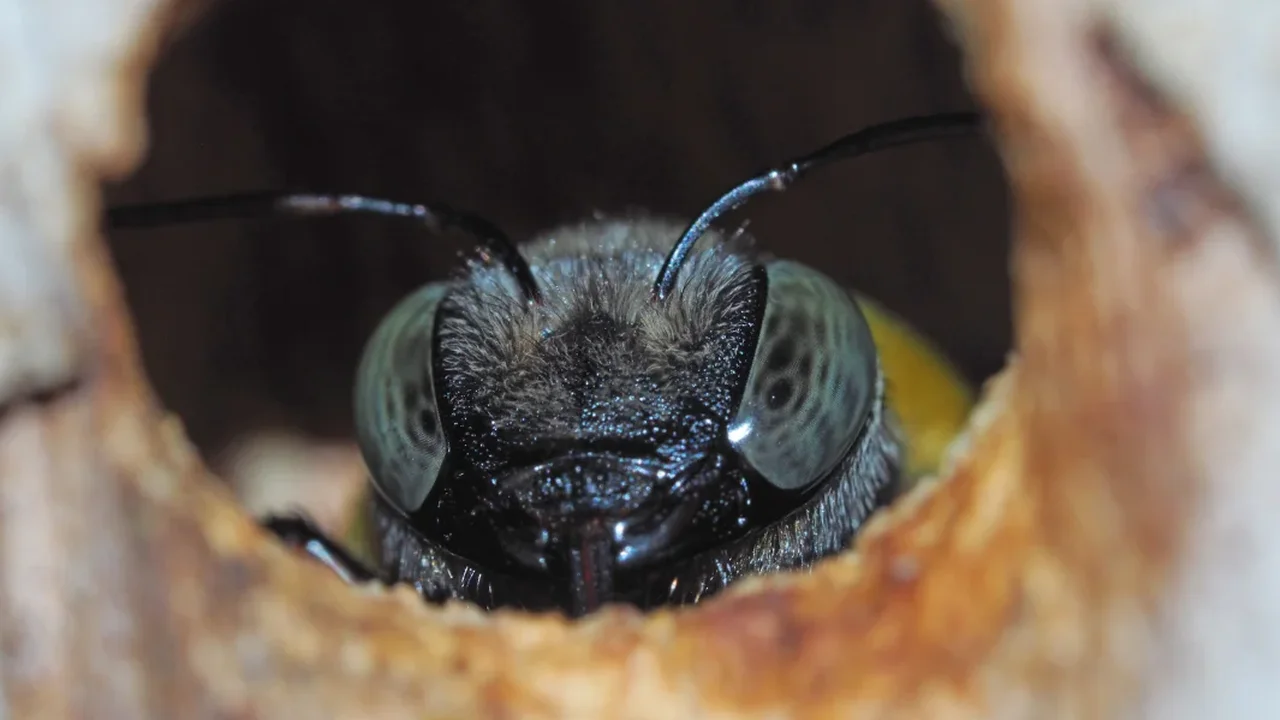
Researchers examined bee and hoverfly populations across 25 sites and compared them with local CO2 conditions while accounting for altitude, temperature, humidity and rainfall. The results pointed to a clear pattern: larger bees, including species from the Xylocopa and Amegilla groups, were more affected than smaller-bodied pollinators such as Ceratina and Lasioglossum.
The study also highlights why large bees matter. They often carry more pollen, travel farther, and help plants reproduce across wider landscapes. That makes their role especially important for biodiversity and crop systems.
What the findings suggest
Scientists note that elevated CO2 can alter pollen protein levels and nectar chemistry, which may influence pollinator health over time. The research adds to growing evidence that climate-driven changes can ripple through entire ecosystems in subtle but significant ways.
Protecting habitat, expanding wildlife corridors, planting bee-friendly trees, and supporting genetic diversity in native pollinators are among the practical steps that can strengthen resilience. As climate patterns continue to shift, this kind of ecological insight may help guide smarter conservation strategies for the future.