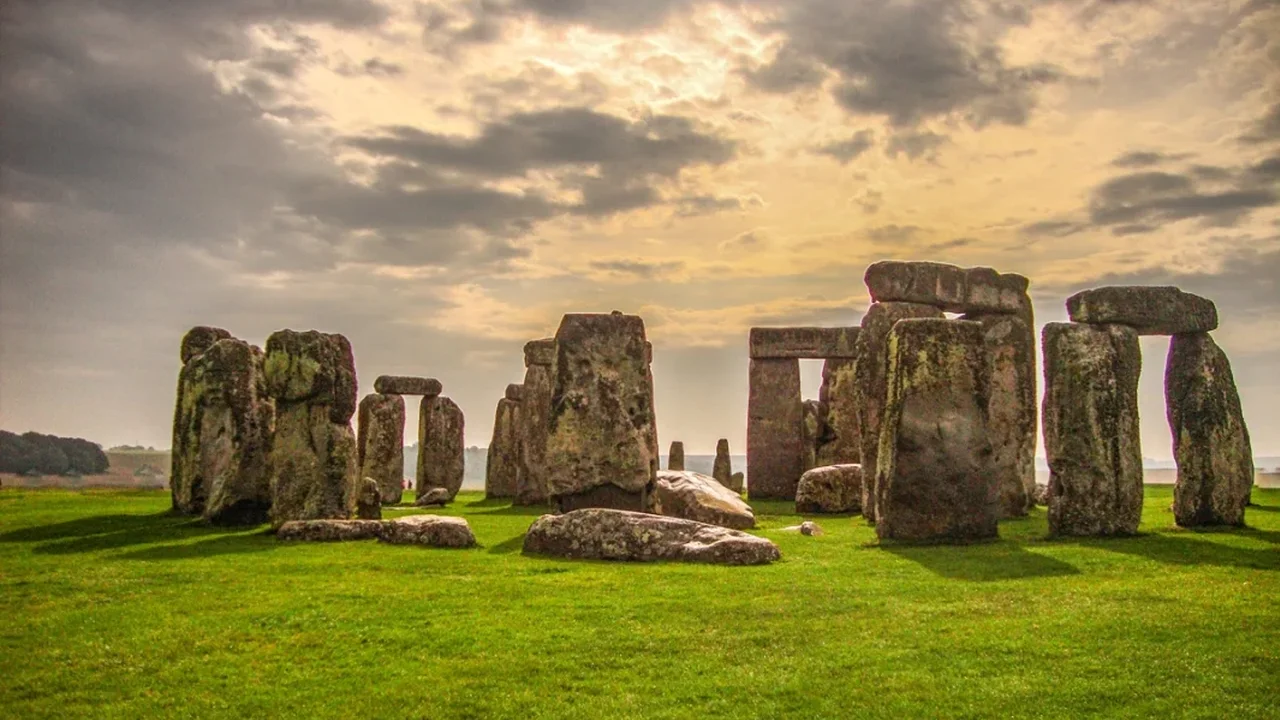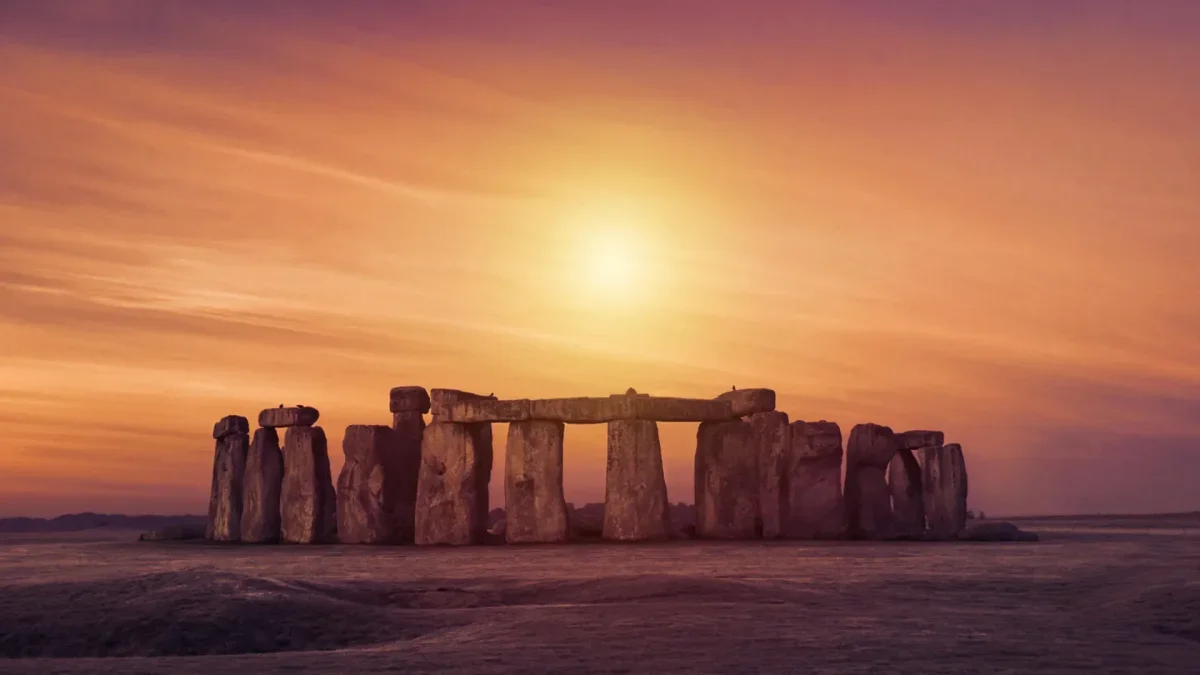
The Altar Stone, a remarkable six-ton sandstone megalith located at the heart of Stonehenge, has captivated researchers with its origins. Previous studies suggested that this monumental stone traveled approximately 700 kilometers (435 miles) from northeast Scotland to Salisbury Plain, marking it as one of the most extraordinary examples of long-distance transport in prehistoric Europe.
Recent findings bolster the theory that it was human effort, rather than natural forces, that facilitated the movement of this massive stone across challenging landscapes.
Unraveling the Altar Stone's Journey
This study builds on earlier research that dismissed glaciers as the primary means of transport. By employing mineral grain dating techniques alongside advanced computer models simulating ancient ice sheets, scientists aimed to pinpoint the stone's exact origin and assess the potential role of glaciers during the last Ice Age.
While the results indicate that glaciers may have moved some rocks from Scotland partway, possibly reaching Dogger Bank in the North Sea, the models reveal no feasible glacial route that could have delivered the Altar Stone to southern England directly. This gap suggests that a significant portion of the journey was not accounted for by natural processes alone.
Human Effort at the Forefront
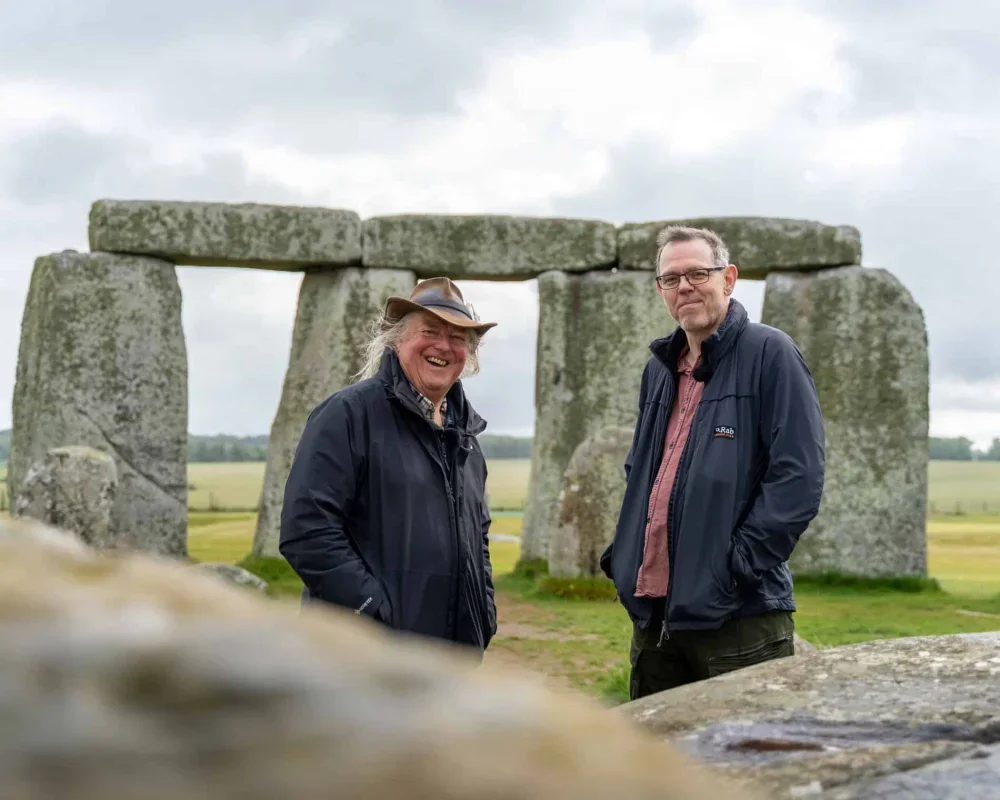
According to Dr. Anthony Clarke, co-lead author from Curtin University's Timescales of Minerals Systems Group, the evidence strongly suggests that the stone's transportation was a deliberate act rather than a random occurrence. "Instead of being naturally transported by ice, the data indicates a planned movement across a diverse and challenging landscape," Dr. Clarke explained.
He emphasized that while glaciers might have facilitated some movement, the stone still required hundreds of kilometers of human transportation to reach its final destination. "This implies that the stone was likely moved in stages, utilizing both overland routes and waterways wherever feasible," he added.
A Marvel of Neolithic Coordination
The feat of relocating a six-ton stone over such a vast distance would have demanded immense effort from Neolithic communities. Researchers believe this undertaking involved multiple stages and necessitated meticulous coordination among various groups inhabiting different regions.
Dr. Clarke noted that the findings reveal a level of planning and collaboration that may surpass previous assumptions. "Transporting such a large stone over a long distance required not just determination, but also a profound understanding of the landscape and effective teamwork," he remarked.
This study exemplifies how integrating geological analysis with computer simulations can illuminate long-standing mysteries surrounding the construction of Stonehenge. Researchers are committed to further investigating the Altar Stone's origins, aiming to identify its precise source in northeast Scotland and the routes that prehistoric people may have employed for its transport.