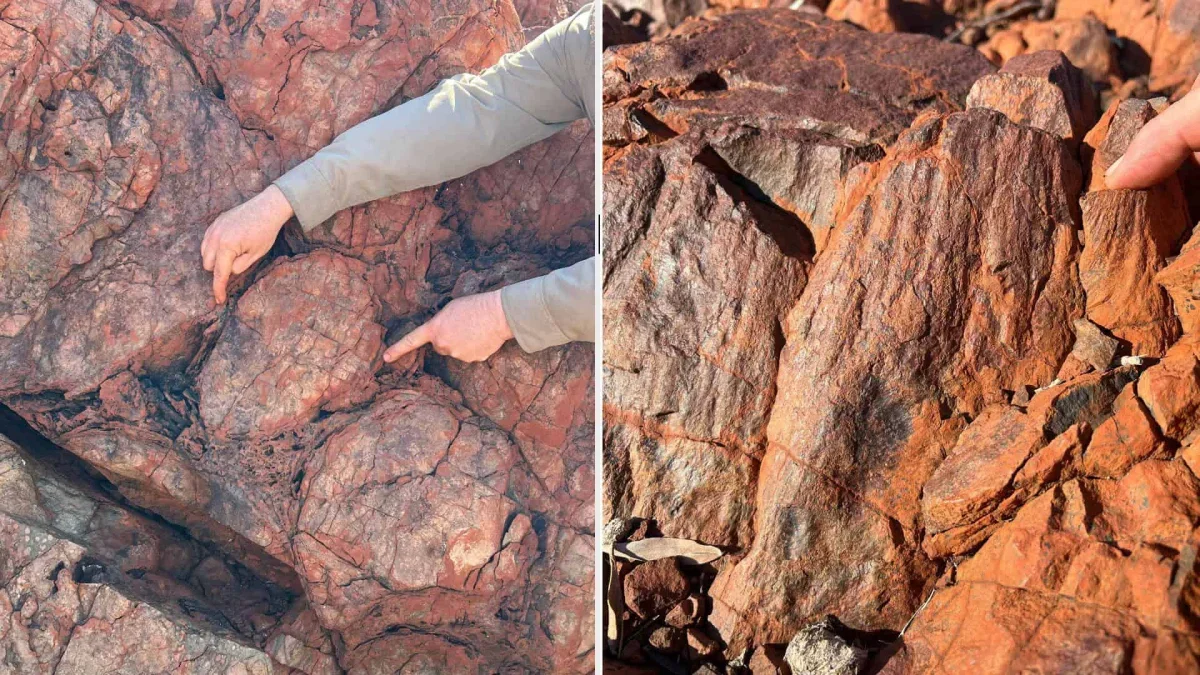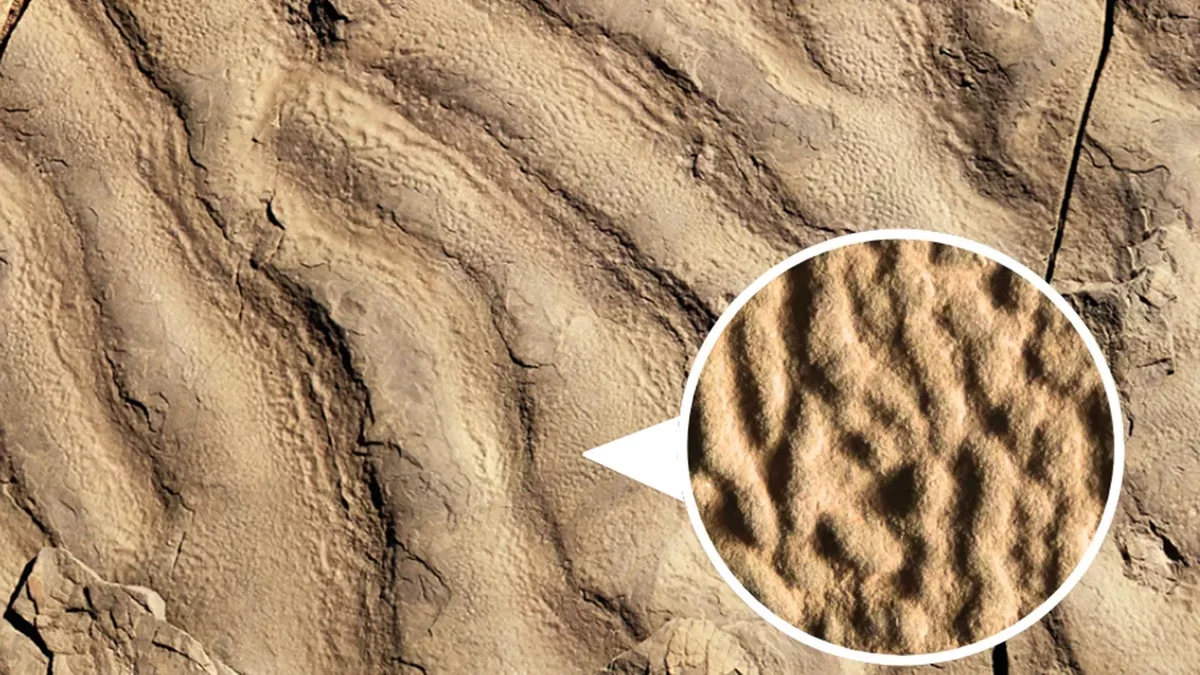
Dr. Martindale, an associate professor at The University of Texas at Austin's Jackson School of Geosciences, was intrigued by the peculiar "wrinkled" appearance of certain rocks, which seemed out of place. "These wrinkles shouldn't be in rocks like this. What is happening?" she pondered.
Rock textures are vital indicators of geological processes over millions of years. Martindale identified the wrinkled surfaces as resembling fossilized microbial mats, which form when microbial communities grow across sediment, leaving distinct patterns. These textures are believed to preserve a rich layer of microbial life from over 180 million years ago during the Early Jurassic period.
Martindale's familiarity with similar textures from her graduate studies gave her a unique perspective. However, there was a significant contradiction: the rock layer where these wrinkles were found formed in deep ocean waters, nearly 600 feet below the surface, while scientists traditionally associate such microbial structures with shallow environments where sunlight is abundant.
In deeper waters, the formation of similar patterns is often attributed to underwater landslides, which create ridges and grooves in sediment. Yet, Martindale remained skeptical, convinced that the patterns were signatures of microbial activity. "Recognizing what to look for and having that 'search image' in my mind compelled me to investigate further," she remarked.
A Novel Perspective on Deep-Sea Structures
In a groundbreaking study published in Geology, Martindale and her team proposed a new interpretation that merges geological processes with biological activity. They suggest that while an underwater landslide did occur, it primarily served to deliver nutrients to the seafloor, fostering microbial growth that led to the formation of these structures.
These microbes likely thrived on chemical energy through a process known as chemosynthesis, rather than relying on sunlight. The nutrient influx from the landslide may have supported these communities, while toxic sulfur compounds released during the event could have deterred other marine life.
Insights from Modern Deep Ocean Ecosystems
Contemporary deep ocean ecosystems provide parallels, as some microbial mats flourish in dark environments by utilizing chemical energy. For instance, "whale fall" sites create temporary but rich ecosystems where microbes rapidly colonize and thrive.
Jake Bailey, a professor at the University of Minnesota, highlighted the significance of these findings. He noted that they challenge long-held beliefs about rock structures, emphasizing that many of today's largest microbial ecosystems exist in the dark ocean.
Rethinking Fossils and Their Implications
This discovery could reshape our understanding of ancient microbial communities. If chemosynthetic microbes were more widespread than previously thought, their fossils may also be more common, yet often overlooked due to misinterpretations of rock textures.
Martindale pointed out that the terminology surrounding these features is often vague, complicating the distinction between structures formed by physical forces and those created by living organisms.
An Unexpected Scientific Journey
Typically focused on ancient coral reefs and mass extinctions, Martindale did not anticipate that her observations would lead her to explore deep-sea microbial mats. "It's fascinating to have ventured into an area I never expected," she exclaimed. "Being in the right place at the right time, coupled with persistence, made this discovery possible."
This research was supported by the National Science Foundation.