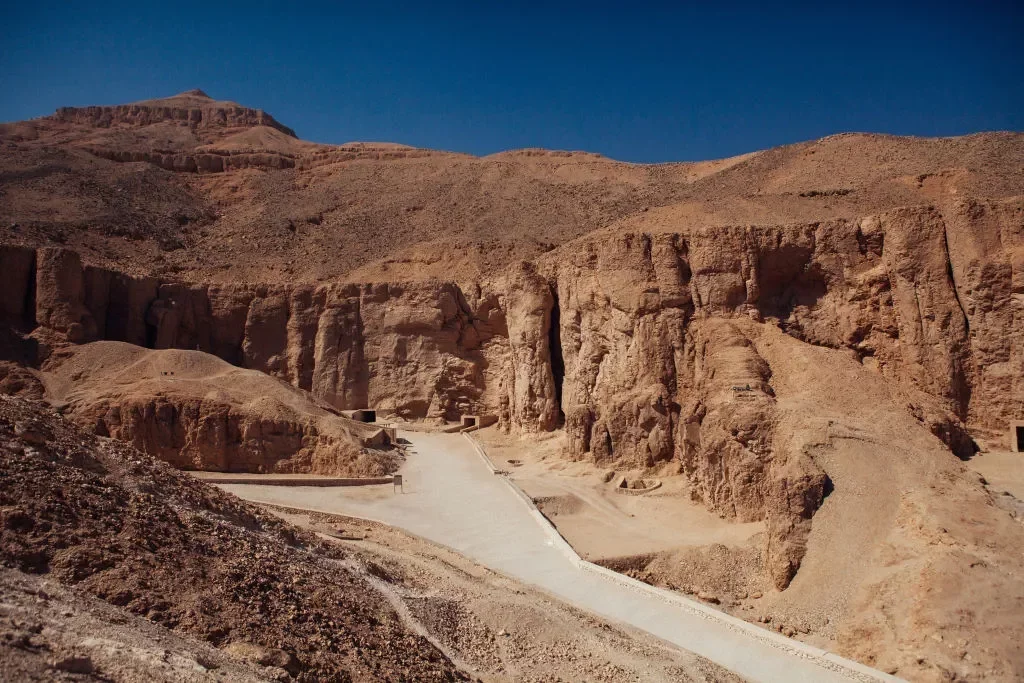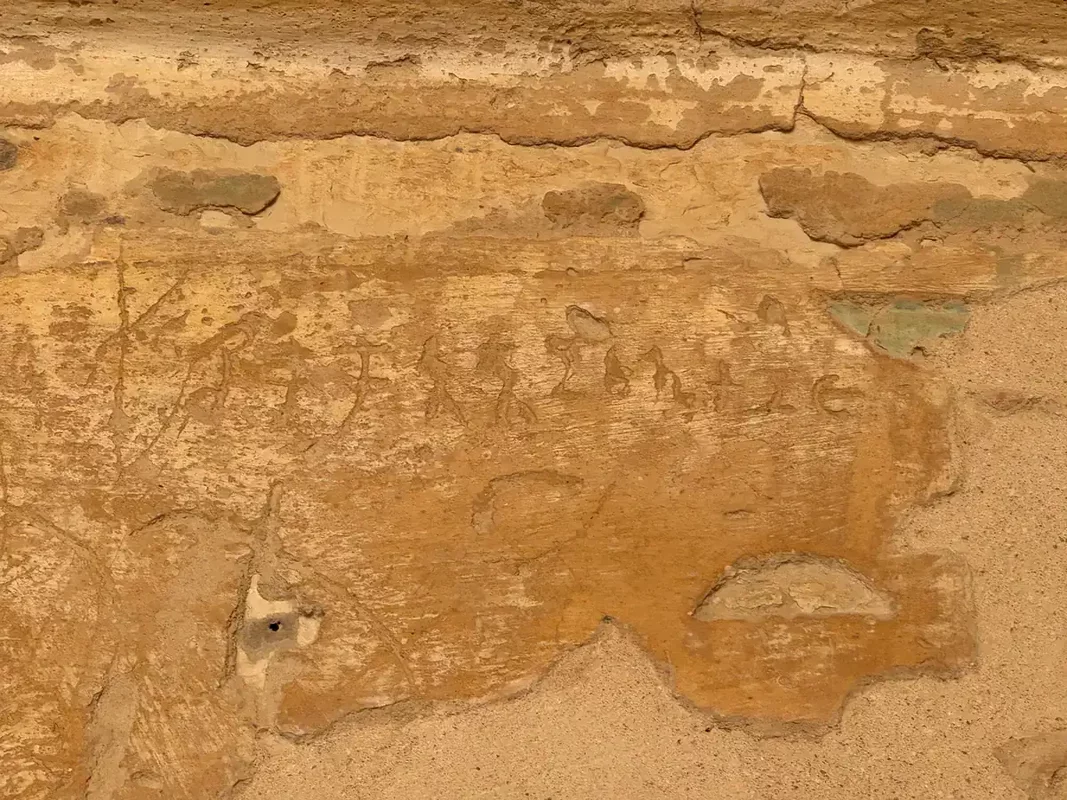
Approximately 2,000 years ago, an adventurous traveler from southern India made his mark in the Valley of the Kings, Egypt. The individual, known as Cikai Korran, inscribed his name in the Old Tamil language across five tombs, leaving behind a clear message: "Cikai Korran came here and saw."
This discovery sheds light on a lesser-known aspect of ancient tourism, as visitors have long etched their names into the royal tombs of Egypt. While Greek and Latin inscriptions have been documented, this is the first definitive evidence of Indian travelers visiting these iconic sites.
The groundbreaking findings were shared at a conference on Tamil epigraphy in February 2026, presented by researchers Ingo Strauch from the University of Lausanne and Charlotte Schmid from the French School of the Far East. Their work indicates a deeper historical connection between India and Egypt than previously recognized.
A Journey of Discovery
This intriguing discovery began serendipitously. During a visit to the Valley of the Kings in January 2024, Strauch observed graffiti that appeared distinct from the known Greek and Latin texts. Upon further investigation, he suspected it was Tamil and reached out to Schmid for confirmation.
After analyzing the inscriptions, they uncovered nearly 30 texts in ancient Indian languages, with about half in Tamil and others in Sanskrit, Prakrit, and Gandhari-Kharoshthi. Korran's inscriptions were often placed prominently, suggesting he wanted them to be seen by future visitors.
"This South Indian visitor was evidently thrilled by his journey and made his presence known in nearly every accessible tomb," Strauch remarked. "He likely chose high locations for his inscriptions to ensure they remained visible."
A Tapestry of Cultures
During Korran's time, trade routes were flourishing between India and Roman Egypt, evidenced by earlier discoveries at ports like Berenike. However, these inscriptions reveal that some travelers ventured far beyond the ports, indicating a longer stay and a genuine interest in exploring the region.
Schmid speculated that Korran could have been a merchant or a leader, as inscriptions from others, like Indranandin, suggest a network of cultural exchange. Indranandin referred to himself as a "messenger of King Kshaharata," linking him to a dynasty that ruled parts of India in the first century C.E.
This fascinating narrative presents Korran not merely as a tourist but as a symbol of ancient globalization, showcasing the interconnectedness of cultures. Even after two millennia, his journey remains a testament to the enduring legacy of exploration and cultural exchange.