In a groundbreaking discovery, researchers have identified the oldest known chelicerate, a group that encompasses spiders and scorpions, from a fossil dating back 500 million years. This remarkable find, reported in the journal Nature, has been named Megachelicerax cousteaui and was unearthed in Utah's West Desert by avocational fossil collector Lloyd Gunther.
Led by Research Scientist Rudy Lerosey-Aubril and Associate Professor Javier Ortega-Hernández from Harvard University's Museum of Comparative Zoology, this study extends the timeline of chelicerates by approximately 20 million years. "This fossil documents the Cambrian origin of chelicerates," Lerosey-Aubril stated, emphasizing that key anatomical features of modern spiders and horseshoe crabs were already in development during this period.
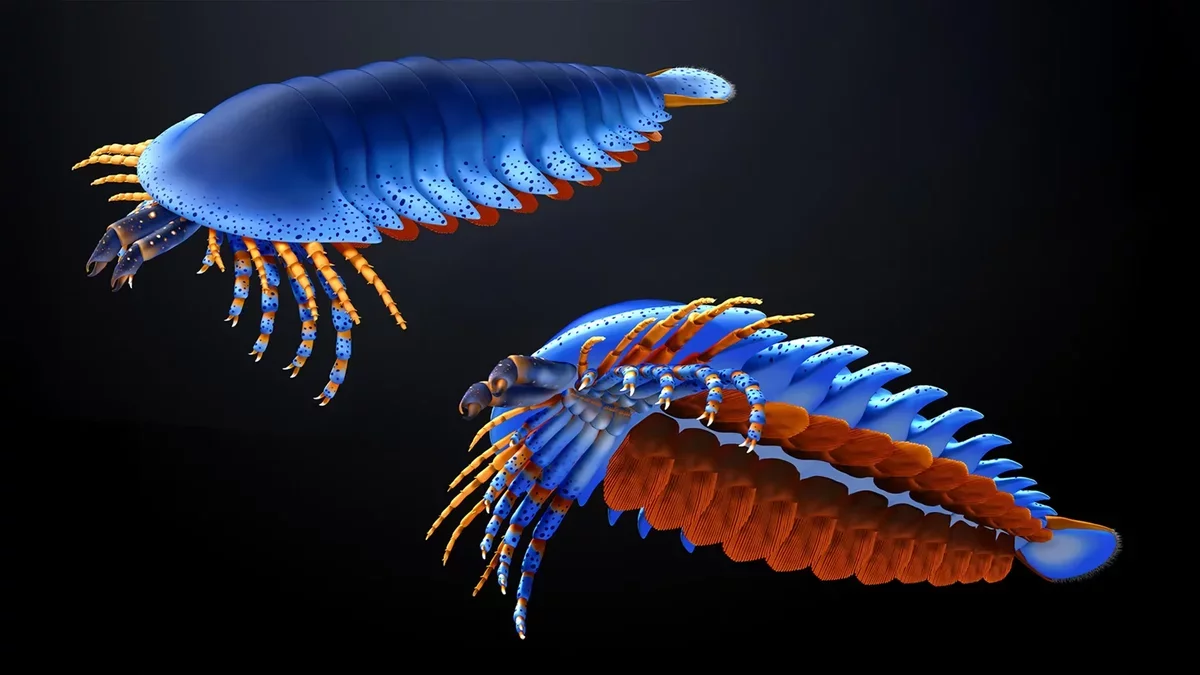
The fossil reveals a complex structure, measuring just over 8 centimeters, with a dorsal exoskeleton consisting of a head shield and nine body segments. The head shield is equipped with six pairs of appendages, which served both feeding and sensory functions, while plate-like respiratory structures beneath the body resemble the book gills found in contemporary horseshoe crabs.
The standout feature of this specimen is its chelicera, a pincer-like appendage that distinguishes chelicerates from insects, which possess antennae instead. This finding fills a significant gap in the fossil record, providing the first clear evidence of a chelicera from the Cambrian period, predating previous known examples by 20 million years.
"M. cousteaui serves as a transitional form, linking earlier Cambrian arthropods lacking chelicera with later species resembling horseshoe crabs," Ortega-Hernández explained. This discovery not only reconciles several evolutionary hypotheses but also illustrates the complexity of life during the Cambrian Explosion, a time marked by rapid diversification.
Interestingly, despite these advanced features, chelicerates did not immediately dominate marine ecosystems. For millions of years, they were overshadowed by other groups, such as trilobites, before eventually expanding onto land.
The fossil was initially part of a collection of ordinary specimens until Lerosey-Aubril's research brought it into the spotlight. Named in honor of the renowned marine explorer Jacques-Yves Cousteau, M. cousteaui reflects the importance of marine conservation and the beauty of ocean life.
Today, chelicerates encompass over 120,000 species, influencing various aspects of human life from culture to medicine. This discovery not only sheds light on their ancient origins but also highlights the critical role of museum collections in advancing scientific knowledge.
As we continue to uncover the past, findings like these pave the way for a deeper understanding of evolutionary history, reminding us of the intricate connections that shape life on Earth.