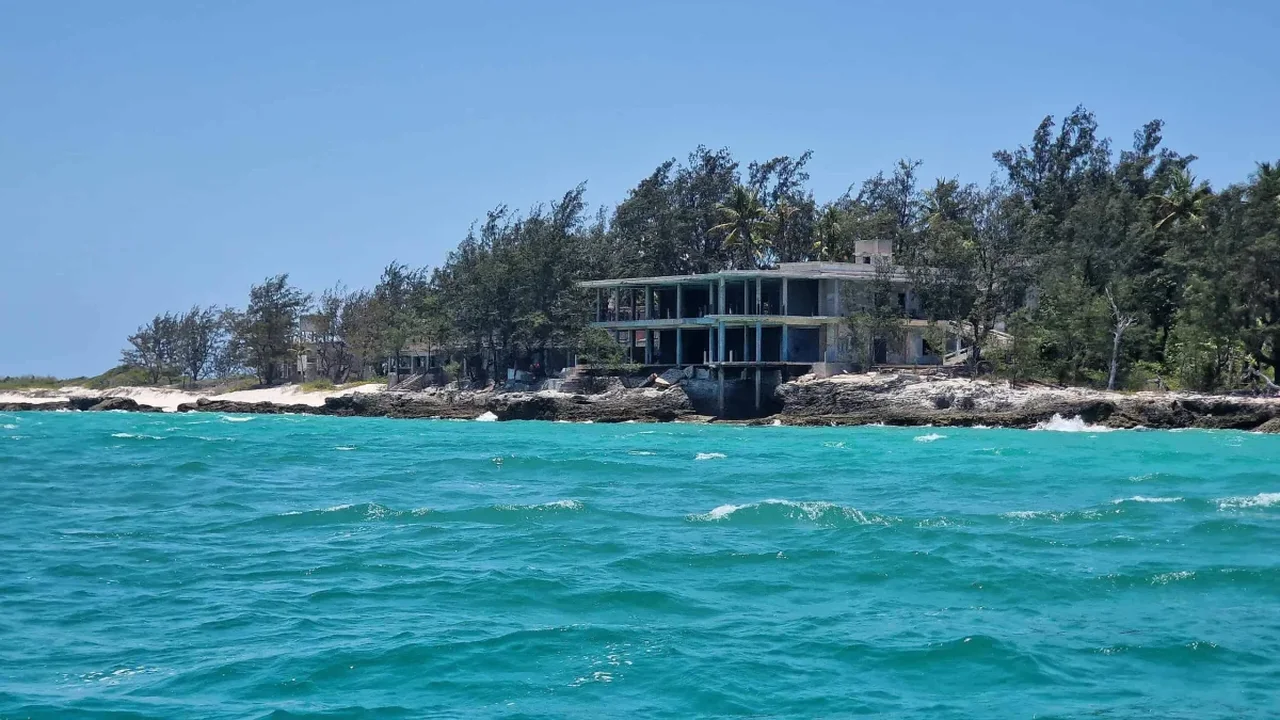
Off Mozambique's Bazaruto Archipelago, researchers have identified an unusual marine habitat built from the remains of forests that once grew along the coast. As rising seas submerged the landscape thousands of years ago, organic material from the trees gradually formed carbon-rich platforms beneath the water.
The study, published in Scientific Reports, describes the reefs as a habitat type known as peat reefs. Researchers from the Bazaruto Center for Scientific Studies found that samples contained up to 40% carbon by dry weight, consistent with the material's forest origins.
A forest floor transformed into marine habitat
Although the reefs have no coral, they support seagrass, microalgae and sponges. These organisms provide shelter for young fish and other small marine animals. Researchers also recorded invertebrates, fish, turtles and sharks in the shallow waters, where parts of the reef can be exposed at low tide.
Radiocarbon dating suggests the submerged structures are between 300 and 5,000 years old. Their discovery highlights how coastal ecosystems can transform over time: what was once forest floor now functions as a habitat for marine life.
Mapping an overlooked ecosystem
Peat reefs have been documented in several parts of the world, but they can be difficult to map because shifting sand may cover or expose them. The amount of carbon stored in the Bazaruto reefs--and whether they are retaining or releasing it--has not yet been established.
Researchers say identifying and including these habitats in coastal maps and conservation planning could help guide future study and protection. A clearer understanding of peat reefs may reveal how these submerged landscapes contribute to both marine biodiversity and coastal carbon systems.
As research expands, these reefs could help scientists better understand the links between ancient landscapes, present-day ocean life and future coastal management.