Researchers at the University of Haifa have developed an AI system that analyzes dogs' facial movements to distinguish recordings made before and after demanding work. The approach could eventually help handlers decide when working dogs may need a break.
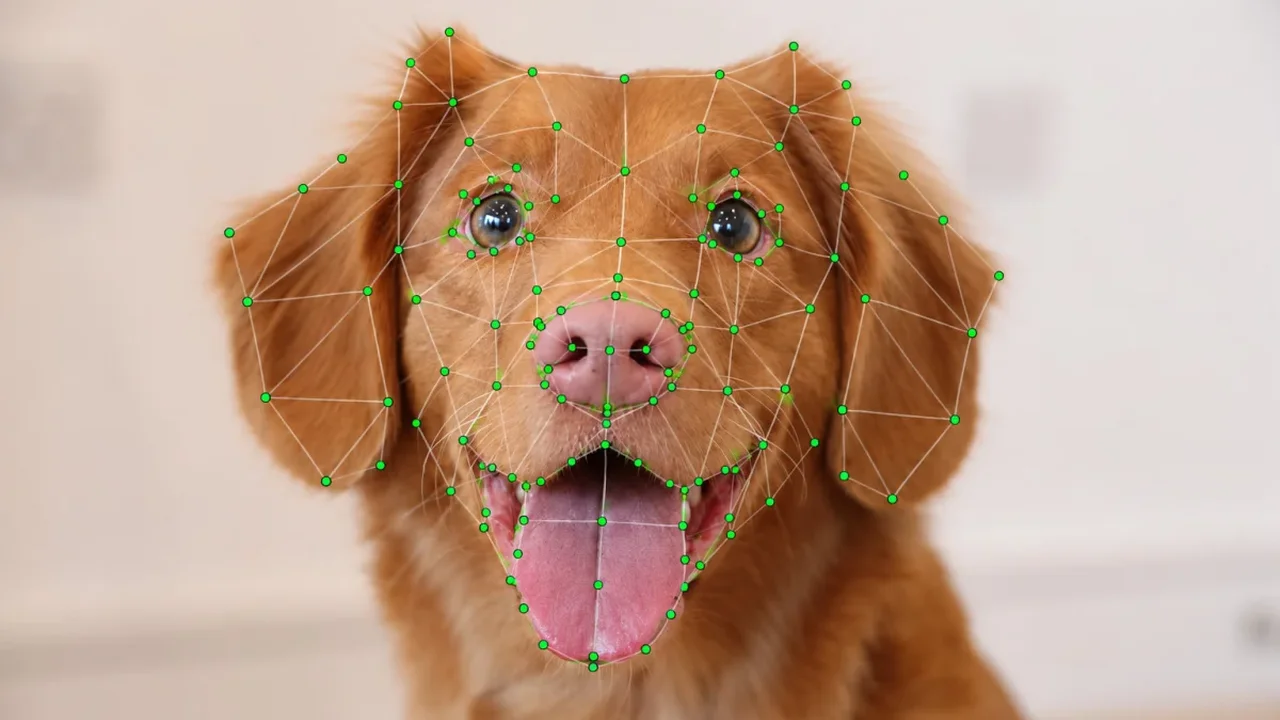
The team studied four trained dogs--two search-and-rescue dogs and two detection dogs--and analyzed 177 smartphone video clips. The software tracked 46 points around each dog's eyes, ears, nose and mouth, looking at how those features moved in relation to one another.
It classified recordings of dogs it had previously encountered with about 78% accuracy. For unfamiliar dogs, accuracy was 69%. The findings suggest that strenuous activity may leave subtle facial patterns that computer vision can detect, even when they are difficult for people to notice.
A potential tool for working-dog welfare
Detection work can involve sustained effort, and fatigue may affect a dog's ability to perform. A quick camera-based assessment could one day offer handlers an additional way to monitor animals in settings where a physical check is difficult.
However, the system does not yet measure fatigue directly. Panting, for example, can be associated with exertion, heat, stress or excitement, while facial features vary between breeds. The small study also means the results need further testing across more dogs and working conditions.
Published in Scientific Reports, the research adds to efforts to use AI to interpret animal behavior. As these tools develop, they may give caregivers new ways to notice animals' needs and support their welfare.
With broader validation, facial analysis could become a practical aid for making rest decisions while keeping trained dogs' wellbeing central to their work.