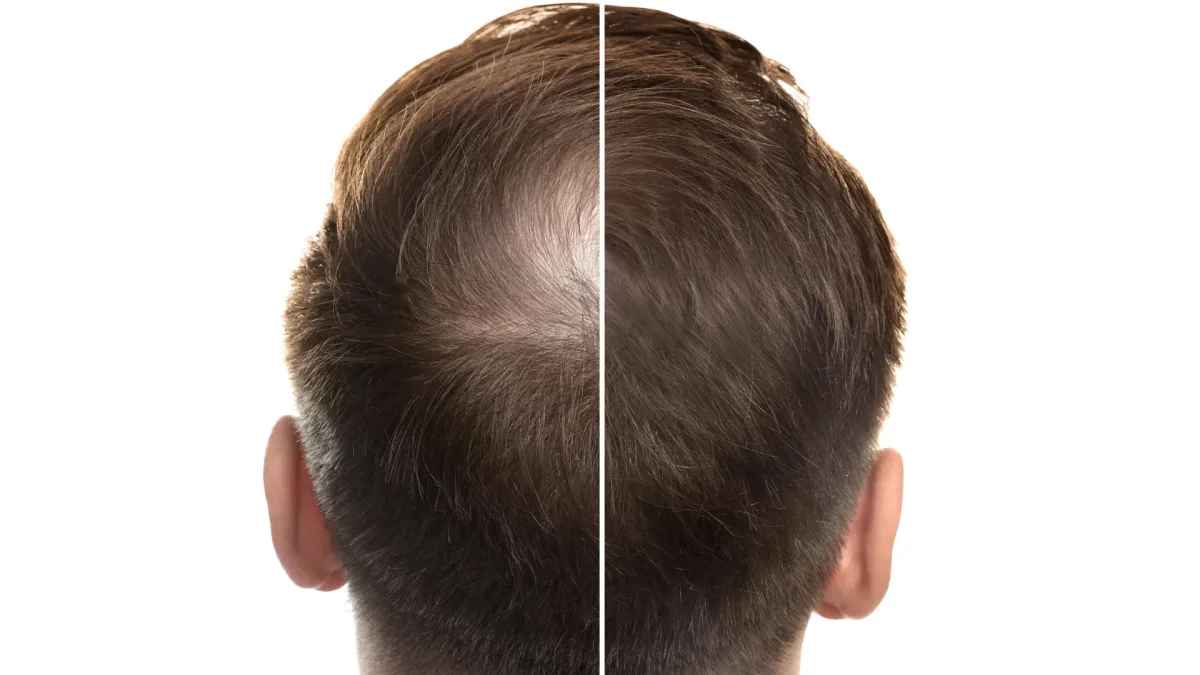
While current hair loss treatments such as finasteride and minoxidil can be effective for some, they often come with undesirable side effects. Finasteride targets hormones responsible for follicle shrinkage, while minoxidil is applied directly to the scalp to stimulate hair growth. However, concerns over sexual side effects from finasteride and scalp irritation from minoxidil have led many to seek alternatives that feel safer and more natural.
Bridging Ancient Wisdom and Modern Science
A recent scientific review highlights the potential of Polygonum multiflorum, a root used in traditional Chinese medicine, as a promising treatment for androgenetic alopecia. This herb has been utilized for over a millennium and is traditionally believed to "blacken hair and nourish essence."
What's particularly intriguing about this review is that Polygonum multiflorum appears to influence multiple biological pathways related to hair loss and regrowth simultaneously. In cases of androgenetic alopecia, the hormone dihydrotestosterone is a significant factor, gradually shrinking hair follicles and hindering the production of healthy hair. The study indicates that this herb may mitigate the effects of this hormone, thereby protecting hair follicles from a primary cause of hair loss.
Comprehensive Mechanisms for Hair Regrowth
The review outlines additional benefits of Polygonum multiflorum, including its potential to prevent premature follicle cell death--a crucial factor for maintaining the hair growth cycle. It may also activate essential biological signals involved in regeneration, such as the Wnt and Shh pathways, which are vital for cellular growth and tissue repair. Enhanced blood circulation to the scalp may also be a benefit, facilitating the delivery of oxygen and nutrients to hair follicles, thereby fostering a healthier environment for hair growth.
"Our analysis connects ancient knowledge with contemporary science," stated Han Bixian, the lead author of the review published in the Journal of Holistic Integrative Pharmacy. "Historical texts from the Tang Dynasty onward consistently describe effects that align with modern hair biology, indicating that this is not mere folklore but rather a form of pharmacology."
From Tradition to Evidence
This review amalgamates various forms of evidence, including laboratory research, clinical reports, and historical herbal documentation. The researchers are not solely relying on traditional claims; instead, they are examining overlaps with modern biological findings to validate the herb's efficacy.
This convergence of historical and scientific evidence has sparked renewed interest in Polygonum multiflorum. The herb may not only slow hair loss but also create conditions conducive to hair regeneration through multiple mechanisms, setting it apart from conventional treatments that primarily aim to prevent further thinning.
Importance of Proper Preparation
The review emphasizes that the preparation of Polygonum multiflorum is crucial. In traditional Chinese medicine, the herb is typically processed before use, which can significantly affect its safety and biological efficacy. Properly prepared, it shows a favorable safety profile, making it a more appealing option for patients concerned about side effects associated with current medications.
Need for Further Research
Despite the promising findings, the researchers stress the necessity for more robust clinical evidence. Much of the current support is derived from laboratory studies and limited clinical observations, indicating the need for large-scale, well-designed human trials to confirm the herb's effectiveness and safety.
Ultimately, the exploration of Polygonum multiflorum represents a larger trend in which traditional remedies are being scrutinized through modern scientific methods. This ancient root, with its extensive history, could play a pivotal role in shaping the future of hair regrowth therapies, offering hope to those facing hair loss.