As generative AI becomes more common across text, images, audio, and video, watermarking is emerging as a key method for tracing how digital content is made. Recent moves by Anthropic and Google highlight two different approaches: invisible marks in text and optional visible labels on images.
How AI watermarking works
At its core, watermarking adds a hidden signal to AI-generated content. The mark is designed to be subtle enough that people do not notice it, yet structured enough for verification tools to detect later.
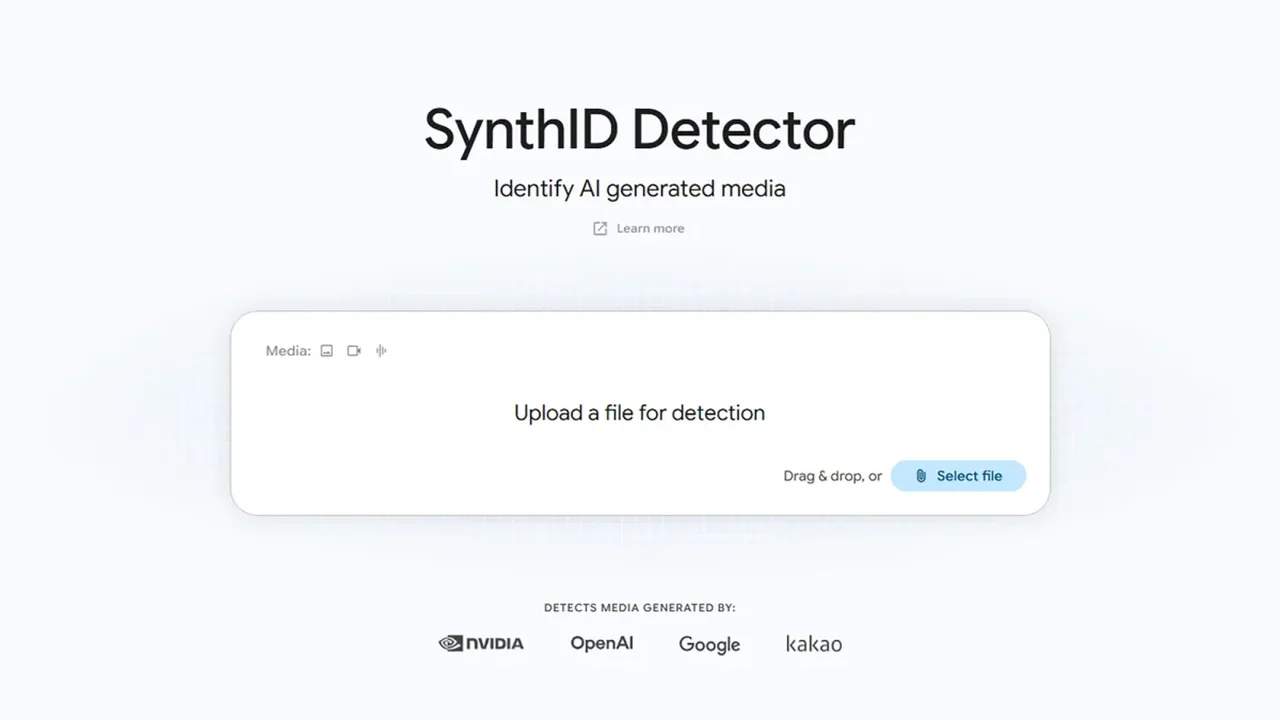
In images, this can mean adjusting pixel patterns to create a digital signature. Google's SynthID uses this method, spreading an invisible marker across the image so it can still be recognized even after basic edits. For audio, the watermark may sit outside the normal hearing range. In video, systems often combine image and sound markers. For text, models can slightly steer word choices by changing probability patterns, making AI-written passages easier to identify without altering meaning.
Another important layer is C2PA, a metadata framework that helps document where a file came from and whether AI tools were involved. While not a watermark in the strictest sense, it supports content provenance and authenticity checks.
How detection works in practice
Verification tools can scan files for these markers, but results are not always universal. Some detectors are built to recognize only specific systems, while others require the right platform or access level. That means a file may be identifiable in one tool and remain unconfirmed in another.
Text watermarks are especially difficult to inspect publicly, and their detection often depends on specialized systems that are not widely available. Even so, the broader trend is clear: creators and platforms are building more ways to trace digital origin.
Can watermarks be removed?
Some forms of watermarking are more resilient than others. Invisible image markers can survive cropping or light editing, while metadata can disappear more easily if a file is re-saved or screenshotted. Text watermarks are generally the easiest to disrupt through rewriting or paraphrasing.
Still, a watermark does not automatically mean every part of a file is synthetic. Authentic media can also be processed by AI tools and then marked in the process. For that reason, watermarking is best seen as a signal of provenance, not a final verdict.
As AI content becomes more integrated into everyday media, watermarking may become a foundational layer for trust, transparency, and digital verification in the years ahead.