India's smartphone market is feeling the effects of a global shift in chip production, as rising demand for memory components used in AI infrastructure pushes handset prices higher. The change is already influencing buying patterns in one of the world's largest mobile markets.
RAM and storage chips, which power everyday phones and laptops, are increasingly being redirected toward AI data centers and advanced accelerators. As manufacturers prioritize higher-margin memory products, supply for standard consumer devices has tightened, lifting costs across the smartphone chain.
Market research from Counterpoint Research shows that smartphone shipments in India fell 10% year over year in the April-June period, the sharpest June-quarter decline in six years. The pressure is strongest in the budget segment, where most buyers are concentrated and even modest price increases can affect demand.
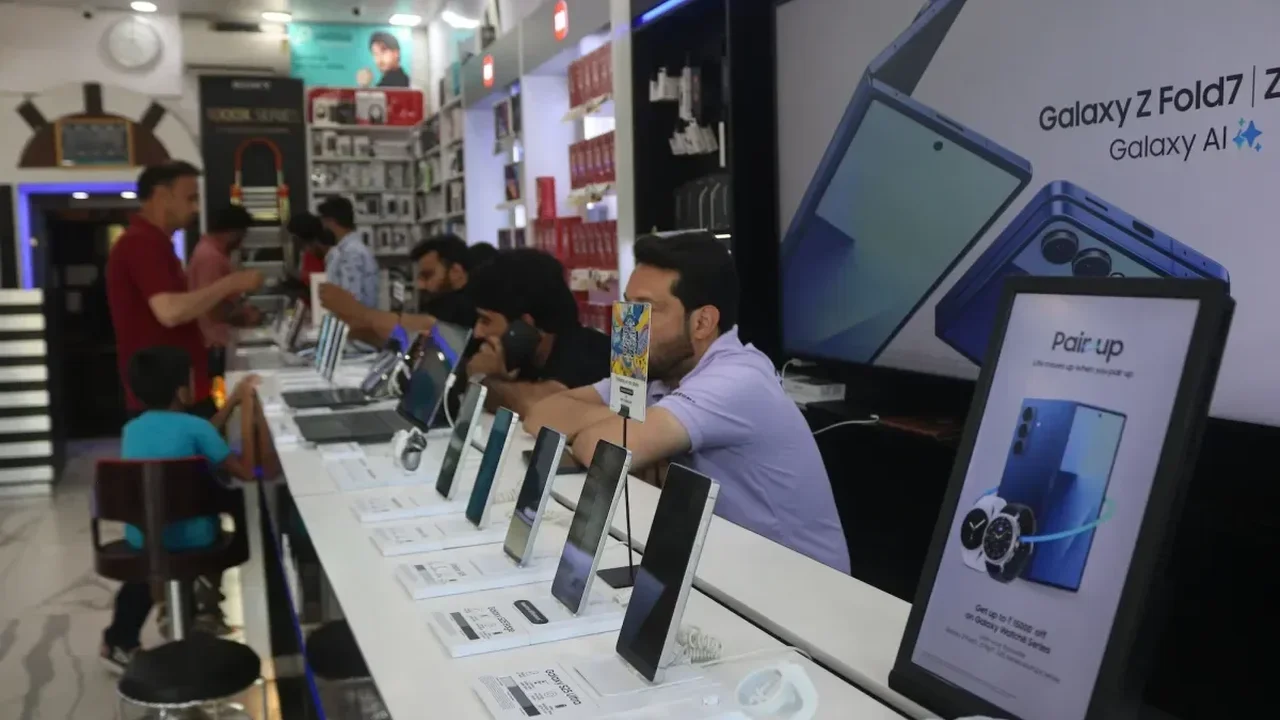
India's market is especially sensitive because a large share of sales comes from phones priced under ₹20,000. As component costs rise, many consumers are choosing to wait longer before upgrading, while premium models remain more resilient thanks to financing options and stronger brand loyalty.
The shift is also changing competition among brands. Samsung posted modest growth in India during the quarter, while Apple's shipments dipped amid supply constraints. At the lower end, entry-level models have seen the steepest slowdown, creating new challenges for brands focused on volume-driven sales.
Some companies are already adapting their strategies. OnePlus has chosen to keep its India business active while narrowing its focus in other regions, reflecting a broader industry move toward markets where margins are more sustainable.
Analysts say India is moving from volume-led expansion to value-led growth, with higher prices, financing, and longer replacement cycles defining the next phase of the market. If current trends continue, the smartphone sector could become a clearer test case for how AI-era chip demand reshapes everyday technology worldwide.