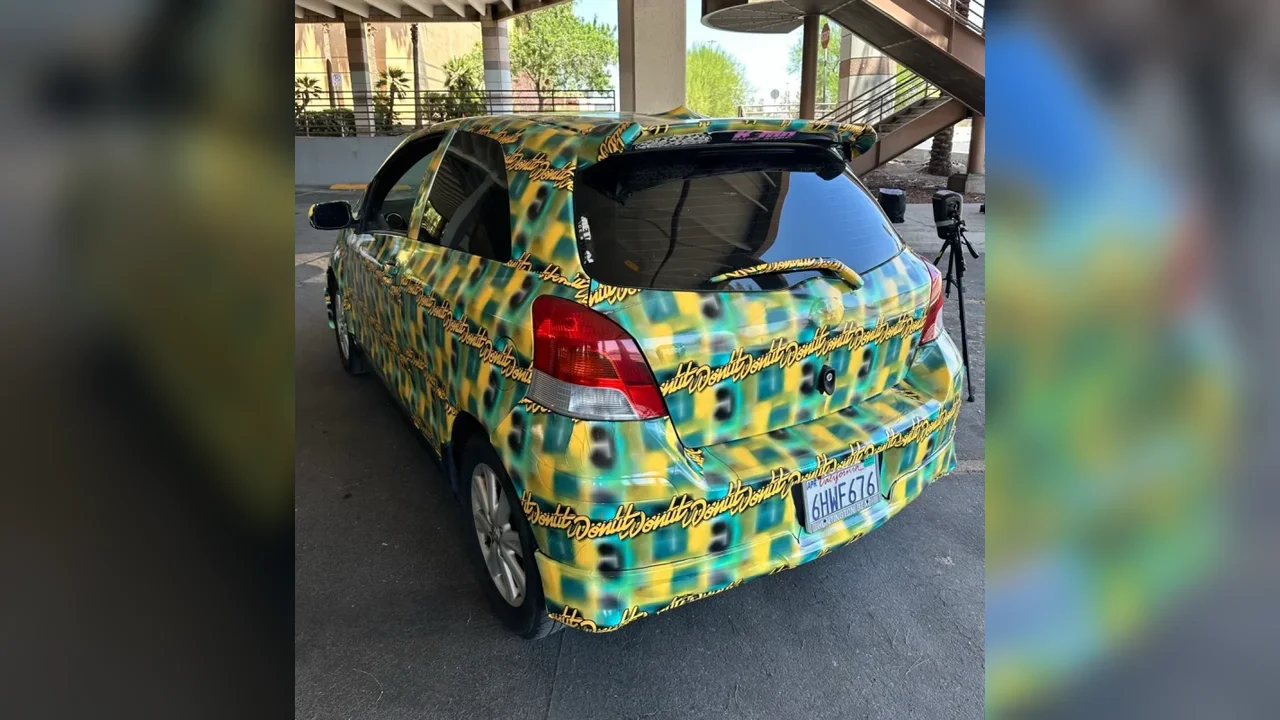
Cybersecurity professional Bill Swearingen has developed a system that generates visual patterns designed to confuse common surveillance and license plate recognition tools. After millions of tests, his model can now produce designs on demand that reduce the chance of detection when printed on clothing, vehicles, or other surfaces.
He calls the project noRecognition, and its purpose is to help people move through camera-heavy environments without triggering automated alerts. The patterns do not stop cameras from recording; instead, they interfere with the software that identifies faces, objects, and plates.
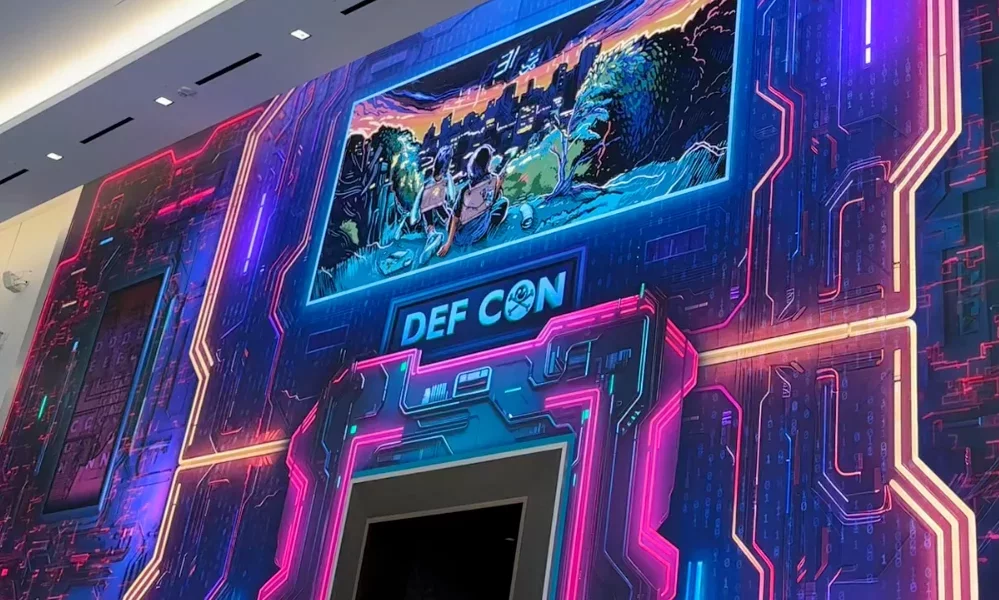
Swearingen presented the concept publicly at the Def Con cybersecurity conference in Las Vegas, where a patterned vehicle was shown to evade detection in a real-world demonstration. The system was trained through reinforcement learning, allowing it to improve each time a pattern failed and a camera algorithm succeeded.
According to Swearingen, the model has already been tested against multiple open-source detection systems and can now generate new pattern sets continuously. The project also reflects a broader trend in digital privacy, where design and machine learning are being used to create new forms of personal control in public spaces.
As noRecognition moves toward wearable products and vehicle applications, it points to a future where visual design may play a growing role in how people manage visibility in an increasingly automated world.