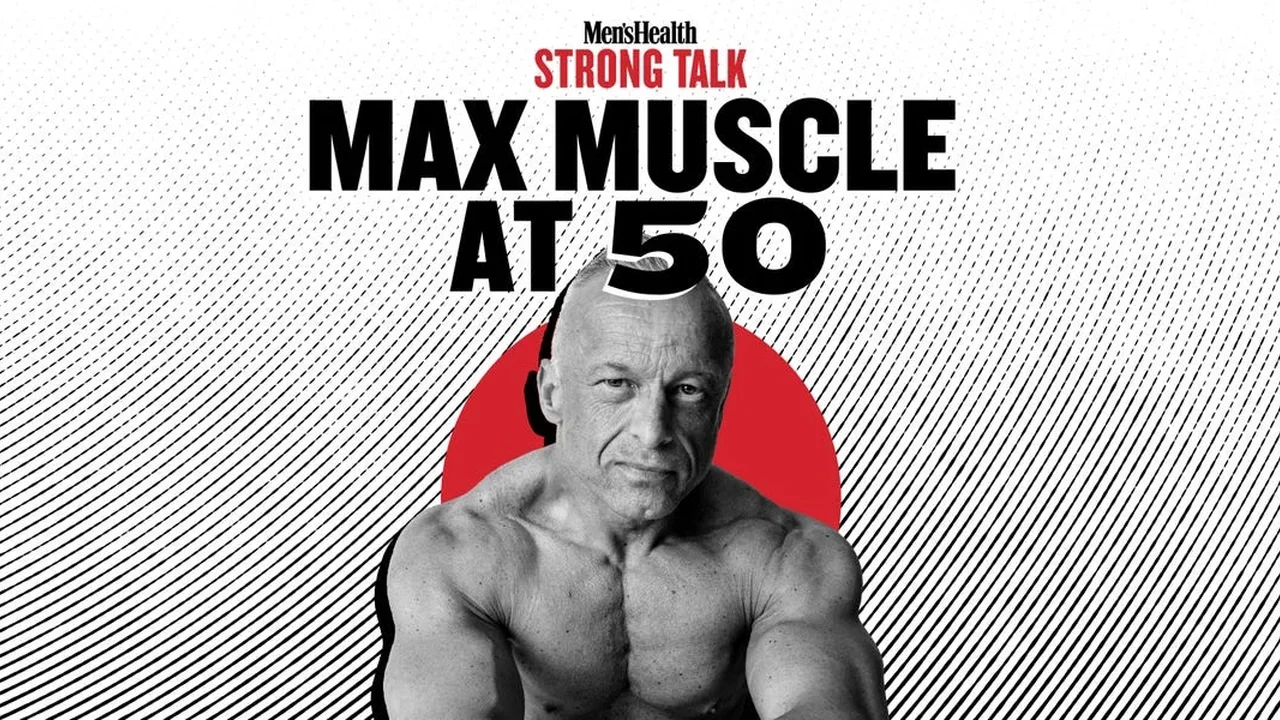
Strength training after 40 can benefit from a considered approach that balances challenging work with recovery. The Muscle After 40 program is structured across 12 weeks: three four-week phases, with three workouts each week and at least one rest day between sessions.
Start with preparation and steady progression
Each session begins with a general warm-up--such as light cardio or mobility work--followed by lighter practice sets for the first exercise. The plan uses familiar gym equipment, including dumbbells, barbells, benches, cables and leg machines, with similar exercises serving as substitutes when needed.
For selected main lifts, the same weight is used across working sets. Increase it only after completing all prescribed repetitions with good form and some capacity left; the guide suggests small increases of around 2.5 to 5 percent. Rest long enough to feel ready for the next set. Workload also varies across the phase, with a lower-volume fourth week before the next block.
Week one: three full-body sessions
Day 1 pairs an incline dumbbell press and seated cable row, followed by dumbbell curls, incline triceps extensions, goblet squats, lying leg curls and planks. Most movements call for three sets, with repetitions ranging from six to 12; planks are held for 30 seconds.
Day 2 includes trap-bar deadlifts, dumbbell split squats, neutral-grip dumbbell bench presses and one-arm rows, plus lateral and rear-delt raises and standing calf raises. Repetition targets range from eight to 25 across three sets.
Day 3 features lat pulldowns, cable flyes, rope hammer curls and pressdowns, leg presses, leg extensions and back extensions. Most exercises use three sets of 10 to 20 repetitions; back extensions are performed for as many controlled repetitions as possible.
With consistent training, appropriate effort and recovery built into the schedule, structured strength plans can help make muscle-building a sustainable part of active life as people age.