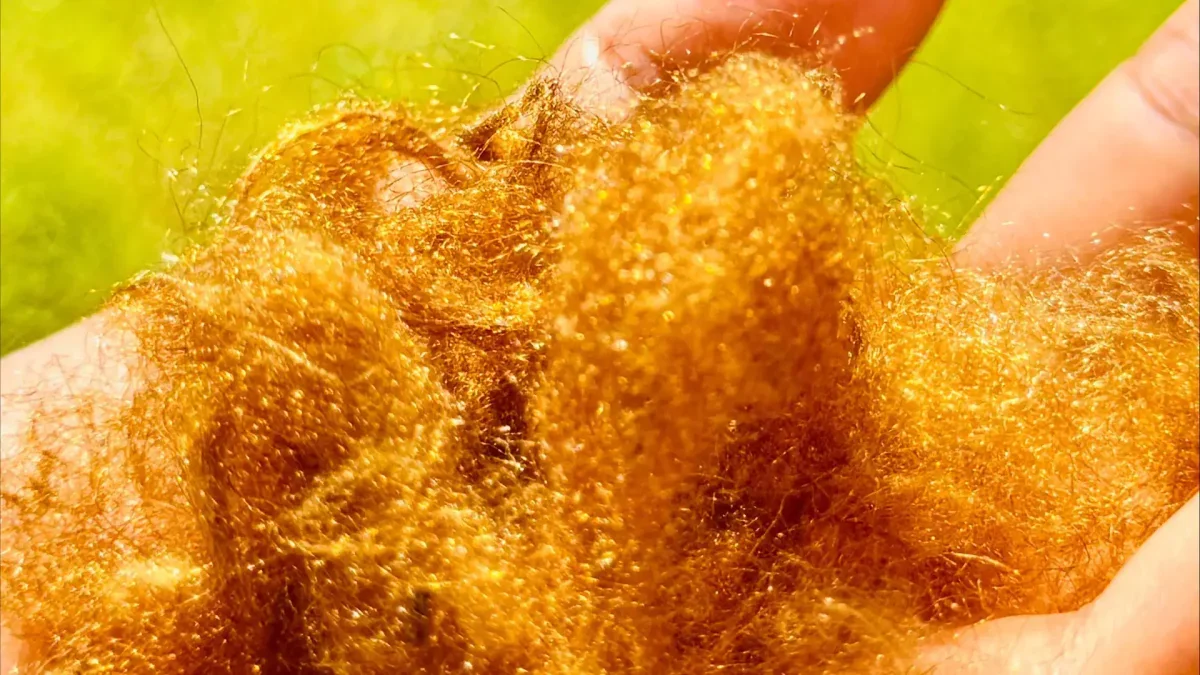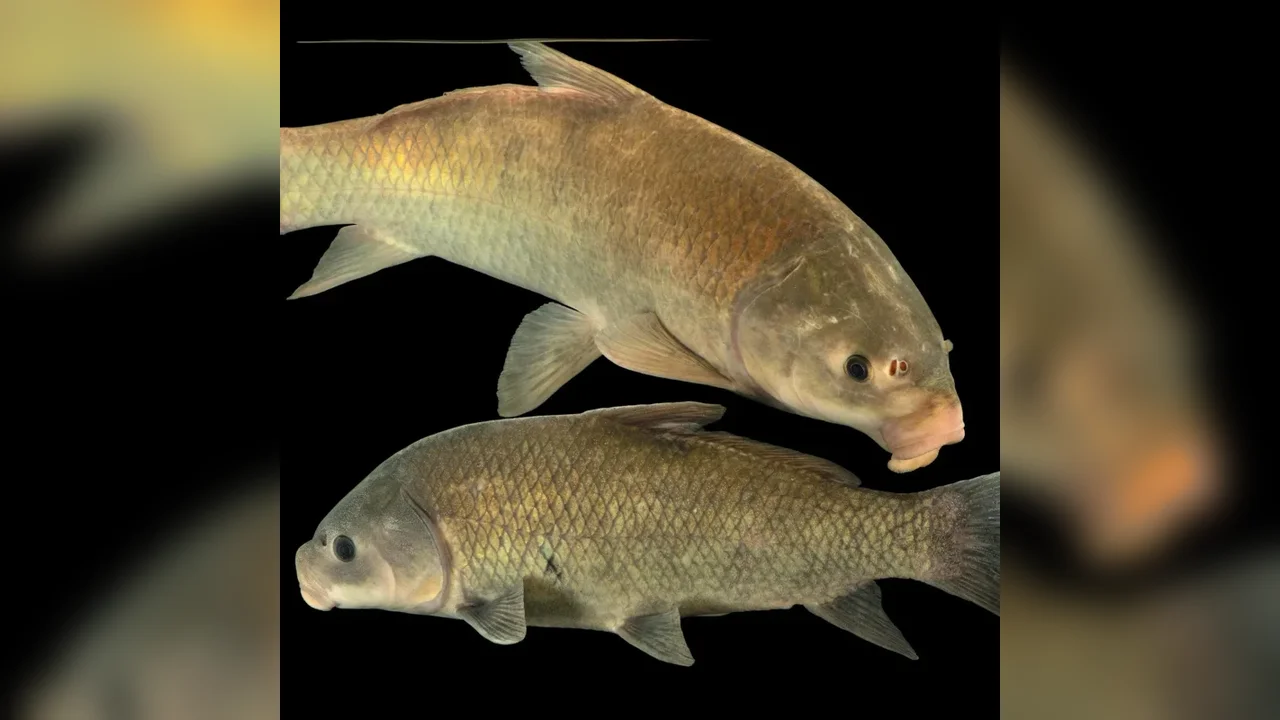
A groundbreaking study led by Professor Dong Soo Hwang from POSTECH's Division of Environmental Science and Engineering, alongside Professor Jimin Choi from the Environmental Research Institute, has successfully recreated a golden fiber reminiscent of the ancient sea silk. This innovative material, derived from the pen shell (Atrina pectinata), a shellfish cultivated in the coastal waters of Korea, is detailed in their recent publication in Advanced Materials. The research not only revives an age-old textile but also unveils the reasons behind its enduring golden hue.
The Rise and Fall of Sea Silk
Known as the "golden fiber of the sea," sea silk was highly coveted during the Roman Empire. It was produced from byssus threads of the large Mediterranean clam, Pinna nobilis, which uses these fibers for anchoring itself to rocky surfaces.
Sea silk gained fame for its shimmering golden color, lightweight nature, and remarkable durability. Its scarcity and beauty bestowed it with a legendary status, exemplified by the Holy Face of Manoppello, a revered relic in Italy believed to be made from this extraordinary material.
However, environmental degradation and marine pollution have led to the endangerment of Pinna nobilis, with the European Union imposing a complete ban on its harvesting. Consequently, authentic sea silk has become exceedingly rare, produced only by a handful of artisans.
Recreating an Ancient Fiber
To find a viable alternative, researchers at POSTECH turned to the pen shell, Atrina pectinata, which is already farmed for food in Korean waters.
Similar to Pinna nobilis, the pen shell produces byssus threads for attachment. The research team discovered that these fibers closely match the Mediterranean clam's in both physical and chemical properties. Leveraging this similarity, they developed a technique to process pen shell byssus into a material that mimics the appearance of ancient sea silk.
Yet, the recreation of the fiber was just one part of their achievement.
The Secret Behind Sea Silk's Golden Glow
The researchers also identified the mechanism responsible for sea silk's unique golden color and its impressive resistance to fading.
Interestingly, the color does not stem from dyes; instead, it arises from a phenomenon known as structural coloration, where microscopic structures interact with light to create color. The team found that the iridescence of sea silk is due to layered spherical protein structures called "photonin."
These structures manipulate light similarly to how soap bubbles or butterfly wings produce vibrant colors. Because the color results from the material's structure rather than added pigments, it remains remarkably stable over time.
The research revealed that a more precise organization of these proteins enhances the strength and vividness of the color. Unlike traditional textiles, which rely on dyeing, sea silk's golden hue is generated from the arrangement of proteins within the fiber, helping to explain its ability to maintain brilliance for centuries.
Sustainable Textiles From Marine Waste
This innovative work holds promise beyond merely recreating a historical luxury fabric.
By transforming byssus fibers, typically discarded as waste, into a valuable textile, the researchers present a method to reduce marine waste while producing sustainable materials with both cultural and historical significance. Professor Dong Soo Hwang emphasized, "Structurally colored textiles are inherently resistant to fading. Our technology enables long-lasting color without the use of dyes or metals, paving the way for sustainable fashion and advanced materials."