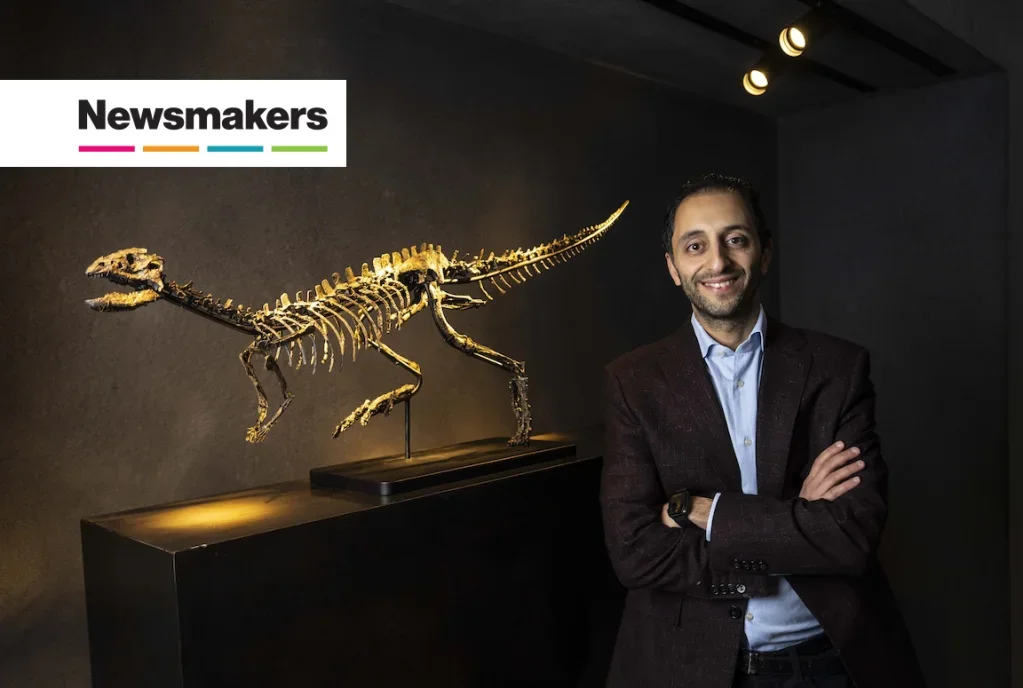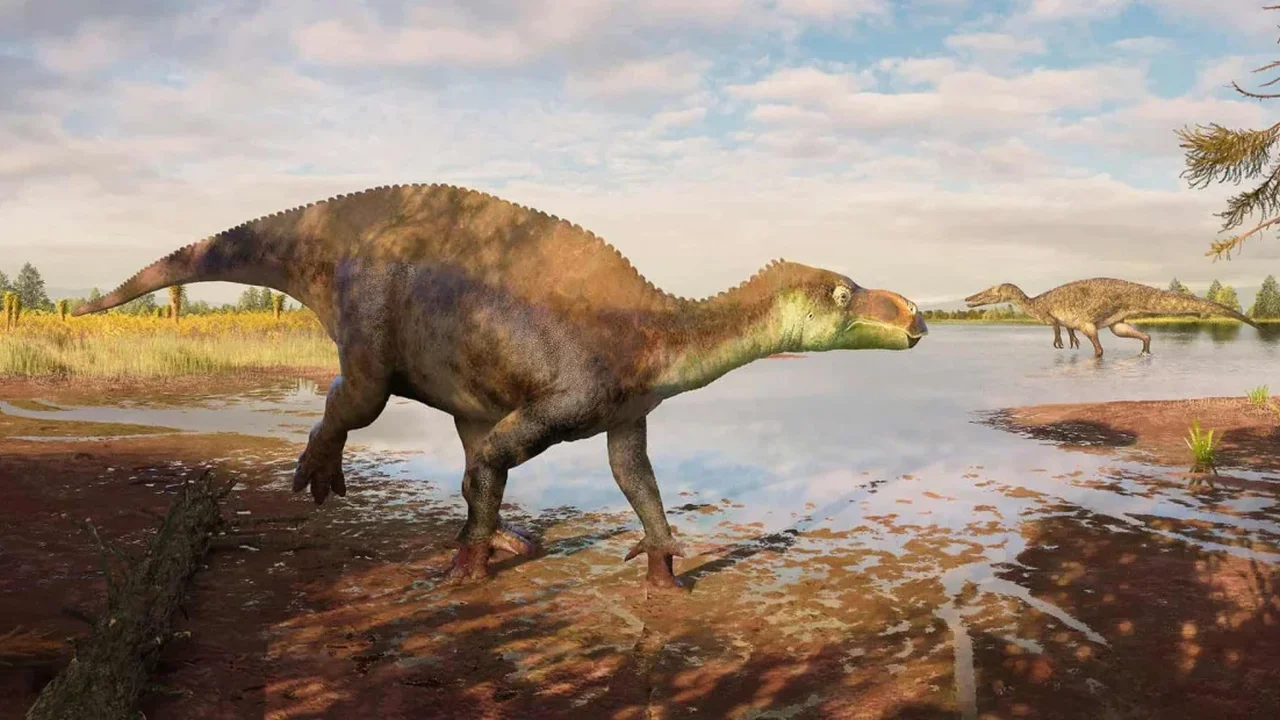
A fossil kept at London's Natural History Museum for a quarter-century has been identified as a previously unknown dinosaur. Named Paludohadros proudlovii, the plant-eater lived in southern England around 125 million years ago.
The partial skeleton was found in 2001 at the Smokejacks brickworks in Surrey by amateur geologist Geoff Toye, who donated it to the museum. Researchers led by Ricardo Sacamoto later compared its bones with those of other iguanodontian dinosaurs and identified a distinctive combination of features in its limbs and pelvis.
A new addition to Britain's dinosaur family tree
Estimated at about five metres long and weighing 1.5 to two tonnes, the animal was likely not fully grown. Its name means "stout swamp-dweller," reflecting the wetland environments it inhabited. The species name honours former brickworks manager Will Proudlove, who took an interest in fossils found at the site.
Once researchers recognized the defining features, they found similar limb bones among fossils collected at the Surrey quarry in the 1950s. Another fossil from the site may belong to a different, as-yet-unidentified iguanodontian, suggesting that museum collections could hold further clues to dinosaur diversity.
Remains of the predator Baryonyx were found in the same geological formation, around 100 metres from the Paludohadros fossils. Baryonyx fossils have preserved the remains of a young iguanodontian, but researchers cannot determine whether it was this newly identified species.
The discovery, published in the Journal of Systematic Palaeontology, adds to a growing picture of varied plant-eating dinosaurs in ancient Britain. Continued study of museum collections may reveal more species and bring prehistoric ecosystems into sharper focus.