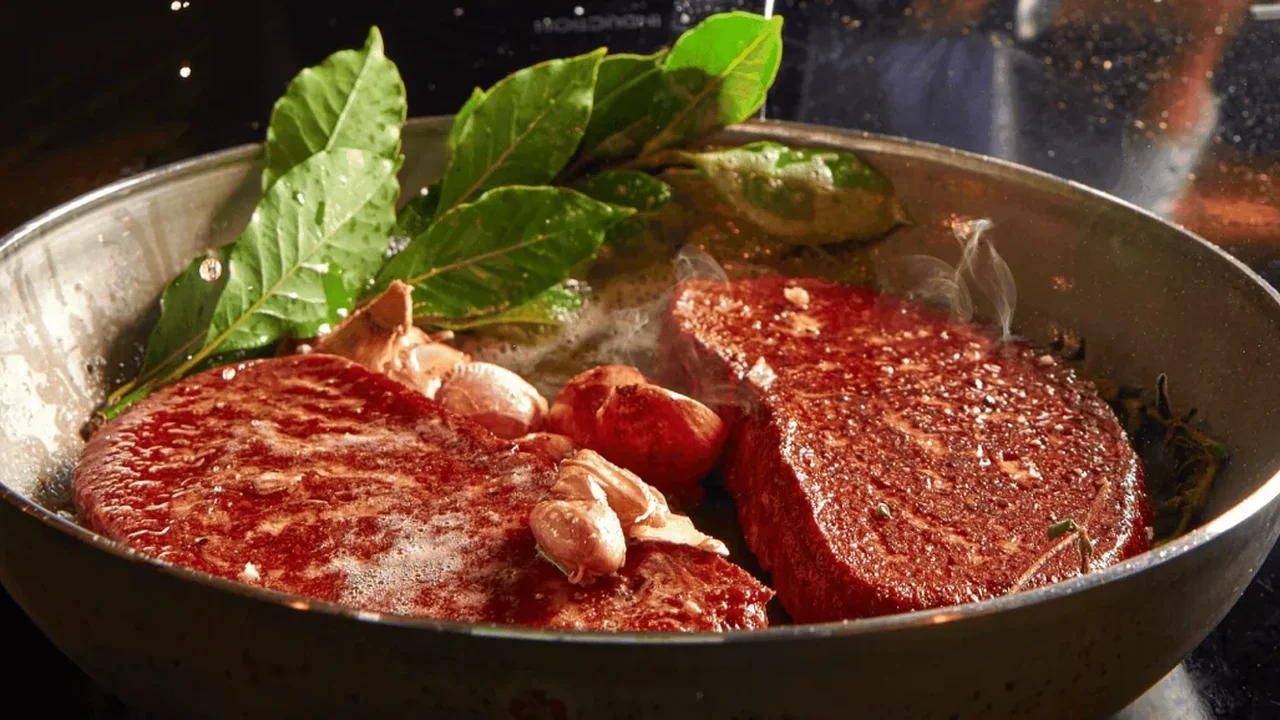
Plant-based steaks and seafood alternatives designed to mimic the texture of animal products are beginning to appear in U.S. supermarkets. Their production may involve 3D printing--but shoppers may not be able to tell which items are made that way.
In September 2026, Israeli food technology company Steakholder Foods announced the retail launch of its Perfecta range in the northeastern United States. Working with distributor KeHE, it plans to supply 31 stores across 10 states, including New York, New Jersey and Massachusetts. Products include steak, filet mignon, chicken breast, salmon patties and white fish patties--all plant-based alternatives.
Building texture layer by layer
Food printers deposit edible mixtures in carefully controlled patterns. By arranging ingredients that imitate muscle and fat, manufacturers can create structures intended to resemble the fibers and marbling of meat. That level of control could help address a persistent challenge for meat alternatives: achieving a familiar bite and texture.
However, Steakholder Foods has not confirmed which Perfecta products are 3D-printed. Some food products are made through extrusion, a different process that pushes ingredients through a shaped opening. The products are plant-based--not cultivated meat--and their packaging does not identify 3D printing as a production method.
Commercial examples already exist in Europe. Austrian company Revo Foods has distributed a 3D-printed salmon alternative through BILLA supermarkets, while Redefine Meat has sold plant-based meat alternatives through European retailers. These launches show the technology moving beyond experimental settings, though widespread adoption will depend on cost, production speed, taste and how well products hold up through storage and cooking.
Beyond meat alternatives, precise food manufacturing could eventually support customized textures and meals tailored to particular nutritional needs. If the technology becomes practical at scale, it may add another flexible tool to food production--and bring more tailored products to everyday grocery shelves.