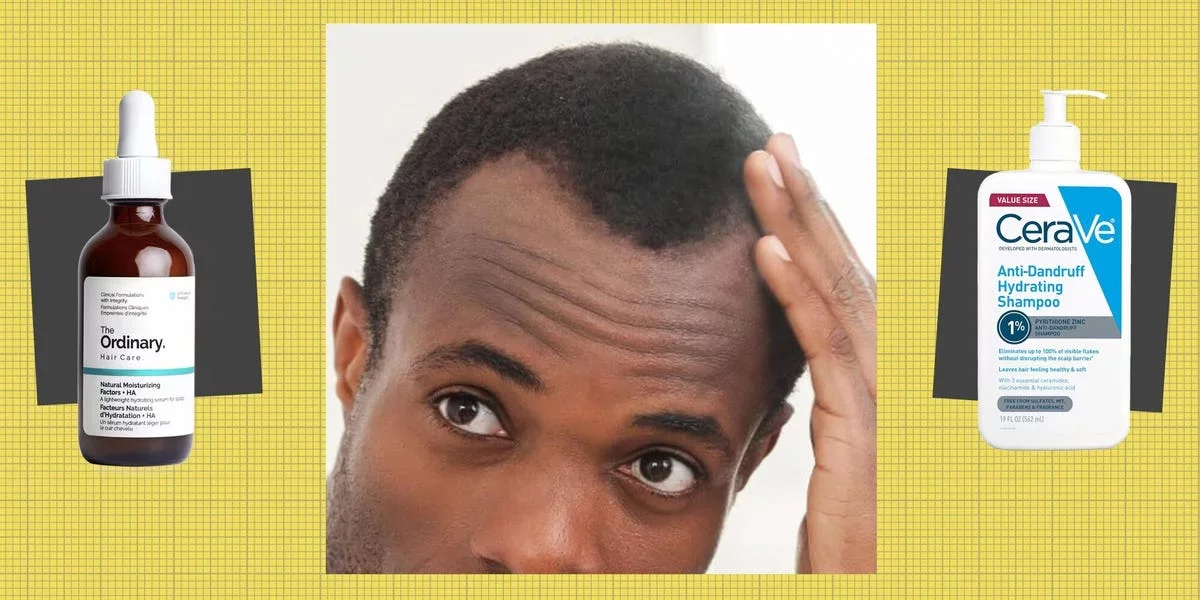
During the recent winter storm in New York, I was reminded of a few crucial points. First, it's essential to lift with your legs (my back is still recovering from shoveling). Additionally, winter weather can be harsh on the scalp. As someone with both dry skin and seborrheic dermatitis, which resembles an intensified form of dandruff, I face flaking and irritation throughout the year. Typically, the right mix of anti-dandruff shampoo and conditioner is sufficient to keep my scalp healthy. However, when temperatures drop significantly, my scalp can become quite sensitive.
It's interesting to note that dry scalp and dandruff are not always the same. They can be likened to two actors who frequently collaborate but are distinct individuals. To better understand these conditions and find effective solutions for my scalp's winter woes, I consulted three dermatologists to ensure I can address the issue without exacerbating it.
Impact of Cold Weather on the Scalp
Anyone dealing with dandruff or scalp dryness knows that winter exacerbates these issues. However, the situation is more complex than just the cold air drying out the scalp. According to dermatologist Dr. Whitney Hovenic, lower temperatures and heated indoor air can strip moisture from the scalp, disrupting its natural balance and weakening the skin barrier.
This leads to increased sensitivity, irritation, and flaking. The scalp may produce excess oil as a compensation mechanism, which can worsen dandruff or make flakes more noticeable. Ultimately, the reason dandruff tends to worsen in winter is due to lower humidity levels, which hinder the scalp's ability to maintain a robust protective barrier.
Distinguishing Between Dandruff and Dry Scalp
It's important to understand that having a dry scalp doesn't automatically mean you have dandruff. Dr. Joyce Park highlights that this is a common question among her patients. While both conditions may appear similar, they are fundamentally different and require different treatments. Dry scalp results from a lack of moisture, leading to dandruff-like flakes, whereas dandruff stems from an overgrowth of yeast on the scalp.
Individuals with dandruff often experience dry scalp, but that doesn't necessarily indicate a yeast overgrowth. The symptoms can serve as indicators. Dr. Hovenic explains that dry scalp typically results in tightness, itchiness, and small, white flakes due to moisture deficiency, while dandruff is characterized by irritation, redness, and larger, oily flakes.
Effective Treatments for Dandruff and Dry Scalp
In warmer months, managing dandruff primarily focuses on controlling excess oil. However, in colder weather, it's also vital to restore moisture and strengthen the skin barrier, as stated by Dr. Garshick. Because these conditions often overlap, you can frequently address both with the same products--though this is more likely when treating dandruff as a side effect of dry scalp. Understanding which condition you're dealing with will guide you in selecting the right ingredients. In both cases, a targeted shampoo is the most effective treatment.
For dandruff, Dr. Hovenic recommends shampoos containing zinc pyrithione, ketoconazole, selenium sulfide, or salicylic acid, as these ingredients help reduce yeast growth, inflammation, and buildup. If you're only dealing with a dry scalp, look for humectants and barrier-supporting ingredients like glycerin, hyaluronic acid, and ceramides. Salicylic acid is especially beneficial for both conditions because it loosens flakes and buildup, allowing other treatments to work more effectively. Just be cautious not to overuse it if your scalp is sensitive.
To treat dry scalp specifically, Dr. Hovenic suggests using a hydrating scalp serum overnight to enhance the skin barrier and alleviate dryness. For dandruff treatment, she recommends classic options like pyrithione zinc-based shampoos, which effectively tackle flaking, scaling, and itching.
With sensitive skin, ingredient selection is as crucial as avoiding harsh elements. Dr. Park advises against strong fragrances, menthol, or heavy oils to minimize irritation risks. Another common mistake is overwashing with harsh shampoos or using excessively hot water, which can strip the scalp and worsen dryness and irritation. Avoid aggressively scrubbing or picking at flakes, as this can lead to further irritation. If you use a dandruff shampoo for over a month without improvement, it may be time to consult a dermatologist.
Conclusion
Winter can be tough on your scalp, but with the right knowledge and products, you can effectively manage both dryness and dandruff. Prioritize hydration and choose the right treatments to keep your scalp healthy throughout the colder months.