UFOs are back in the cultural spotlight, but this time the fascination is less about spectacle and more about how people interpret the unknown. From cinema to gallery spaces, artists and filmmakers are using extraterrestrial imagery to explore perception, language and belief.
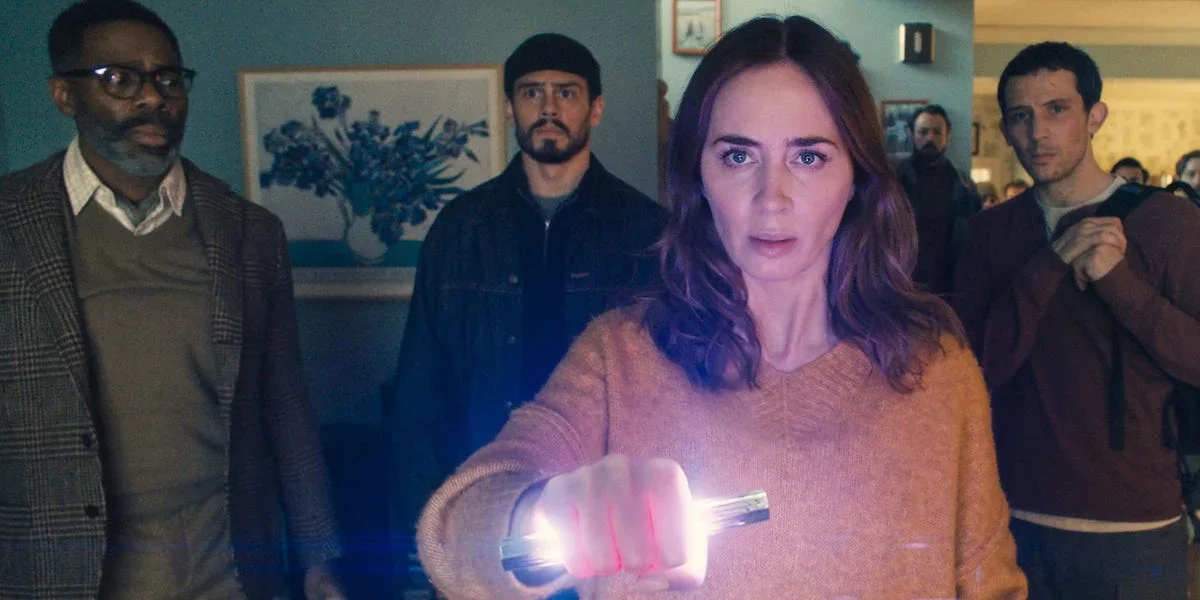
Steven Spielberg's upcoming film Disclosure Day places the theme at the center of a story about a cybersecurity expert and a weather presenter who uncover a hidden government narrative around close encounters. The project reflects a wider creative wave that is turning UFOs into a lens for modern anxieties, curiosity and imagination.
In New York and beyond, several exhibitions are expanding the conversation. Karla Knight presents paintings that resemble coded objects, planetary maps and futuristic interfaces, slowing down the viewer's eye in an age of constant scrolling. At the Storefront for Art and Architecture, architect Thandi Loewenson builds an immersive presentation around the research of African UFO investigator Cynthia Hind, connecting encounter stories with history, memory and cultural interpretation.
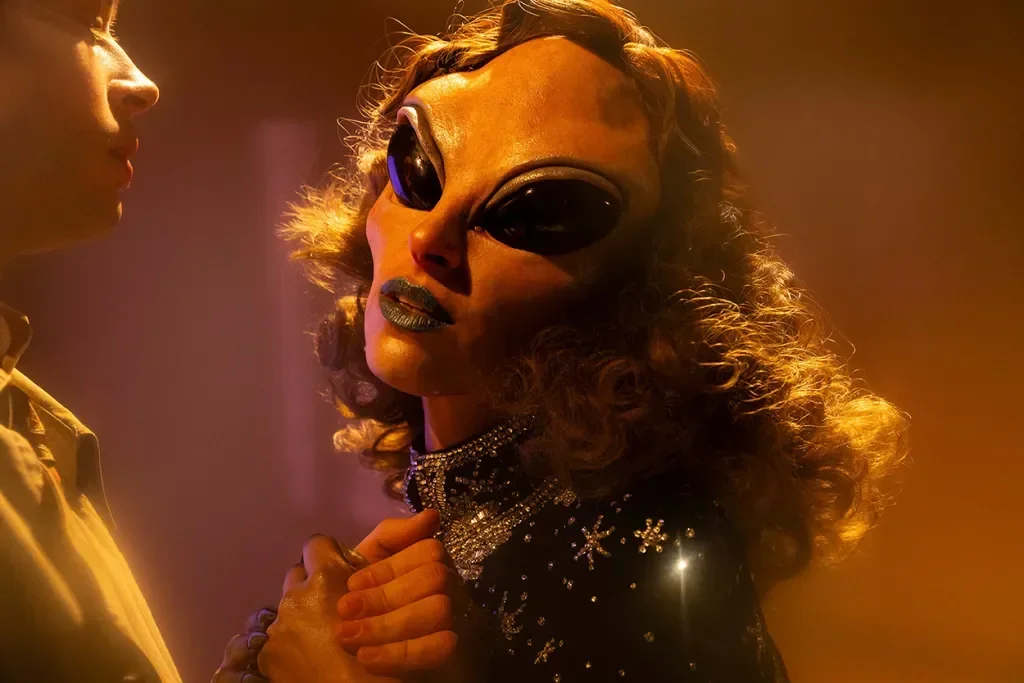
Meanwhile, Eliza Douglas explores the subject through layered portraits and cosmic symbols in her exhibition "Ghosts" at Gagosian. Her work suggests that the fascination with UFOs is also a fascination with what cannot be fully explained, named or fixed into a single image.
Across these projects, the message is clear: UFOs have become a powerful artistic language for thinking about the limits of human knowledge and the possibility of wider worlds. As this theme continues to move through art and media, it may shape a more open future for how we imagine the universe and our place in it.