Body fat does more than store energy. It cushions tissues, helps insulate the body and sends hormonal signals that influence hunger and energy use. Where it accumulates depends partly on genetics, hormones and age.
Fat comes in different forms. White fat stores energy and provides cushioning, while brown fat helps generate heat. In adults, brown fat is concentrated in a few areas, including near the collarbone and major blood vessels.
Why fat collects in different places
Hormones can influence fat distribution. Estrogen is associated with more subcutaneous fat around the buttocks and thighs, while cortisol may encourage fat to gather around the abdomen. Fat around joints could restrict movement, so the body's distribution patterns may also reflect practical limits.
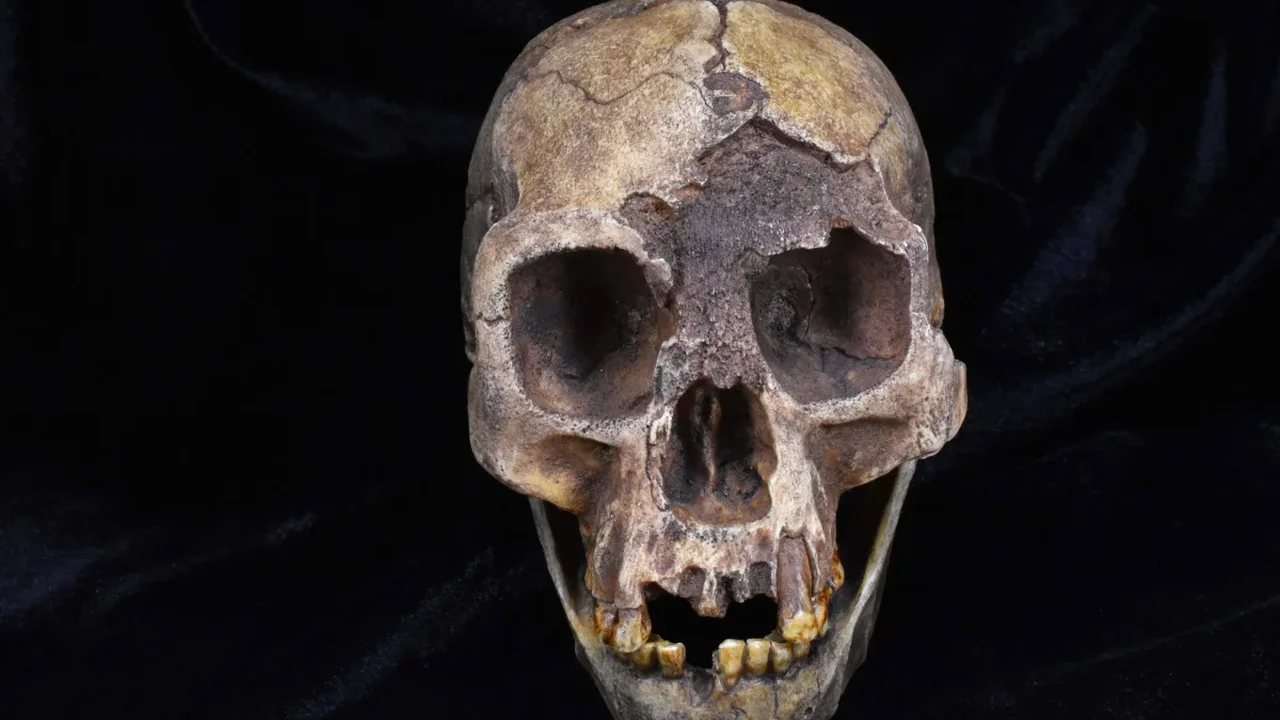
Humans carry more body fat than many other primates. Anthropologist Cara Ocobock of the University of Notre Dame describes the idea that this reserve helped our ancestors cope when food was scarce. Fat could provide energy during difficult periods, including cold seasons when gathering and hunting were less reliable.
Small Gravettian figurines from Europe and Russia, dated to around 25,000-28,000 years ago, depict bodies with substantial fat. They offer a glimpse of how people in the distant past understood and represented the human form, though researchers are still investigating when and why humans developed greater fat reserves.
As research clarifies how fat distribution evolved and how different fat tissues work, it may deepen understanding of the links between human biology, environment and ancestry.