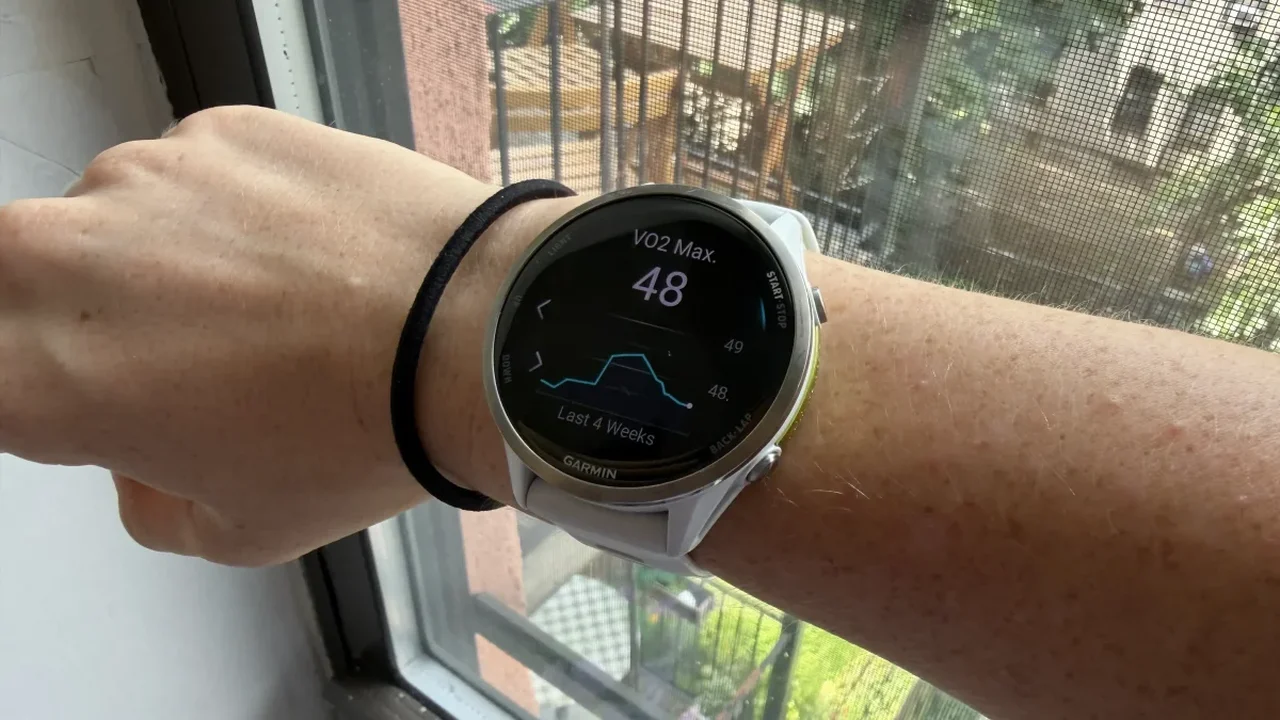
Summer heat can make a Garmin VO2 max score look lower even when your fitness is holding steady. The reason is simple: in warm conditions, your heart rate rises faster at the same pace because your body is working harder to cool itself. That extra strain can make the watch's algorithm read the effort as reduced efficiency.
Why the number changes
VO2 max estimates are usually based on pace, heart rate, and effort during a run. When temperatures climb, hydration needs increase and blood flow shifts toward the skin for cooling. As a result, the same run can produce a higher heart rate, which Garmin may interpret as a drop in aerobic performance. In many cases, the pattern reverses once the weather cools.
What newer Garmin models do differently
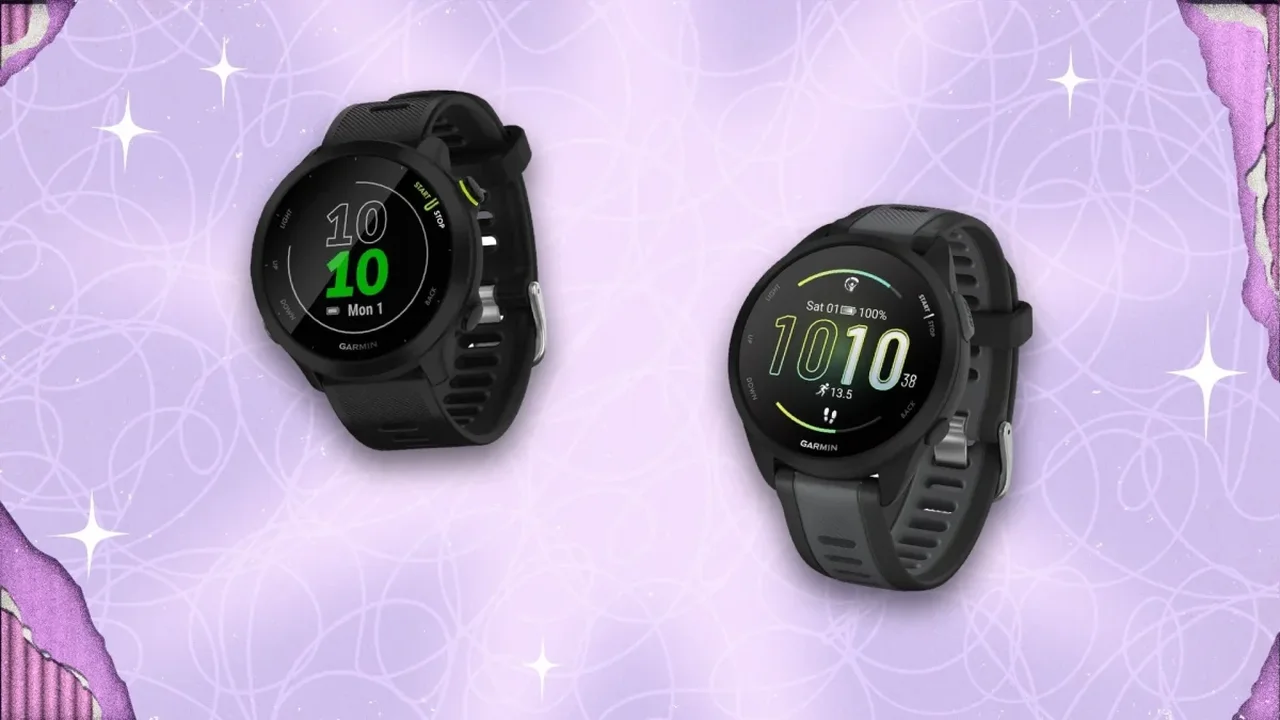
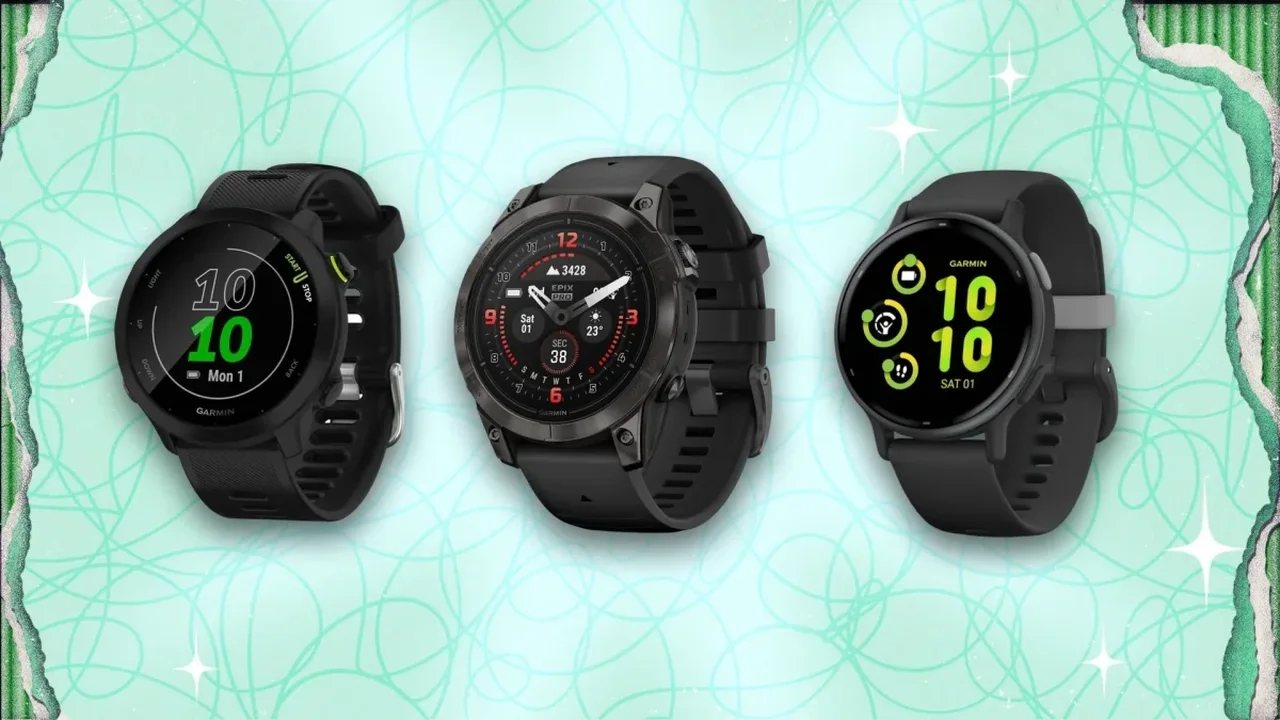
Some newer Garmin devices, including the Forerunner 970, try to account for heat and humidity in their calculations. Other models such as the 745, 945, 955, and 965 also include heat acclimation features, and the 245 and 255 can gain similar support through software updates. These adjustments can help reduce seasonal swings in the estimate.
How runners can manage the trend
If the summer dip is distracting, one practical option is to adjust activity profiles in Garmin Connect so certain workouts do not feed into VO2 max. Many runners keep road runs active for tracking while disabling the metric for trail sessions, where terrain already adds variability. A separate "hot run" profile can also help preserve cleaner data on humid days.
For those who want the most stable year-round reading, treadmill sessions in a climate-controlled gym offer the most consistent conditions. Still, outdoor heat training has its own value, and a temporary dip in the number does not erase the work behind it. The broader lesson is that fitness data is most useful when read in context, not in isolation.
As wearable technology becomes more adaptive, future training metrics may better reflect real-world conditions and give athletes a clearer picture of performance across every season.