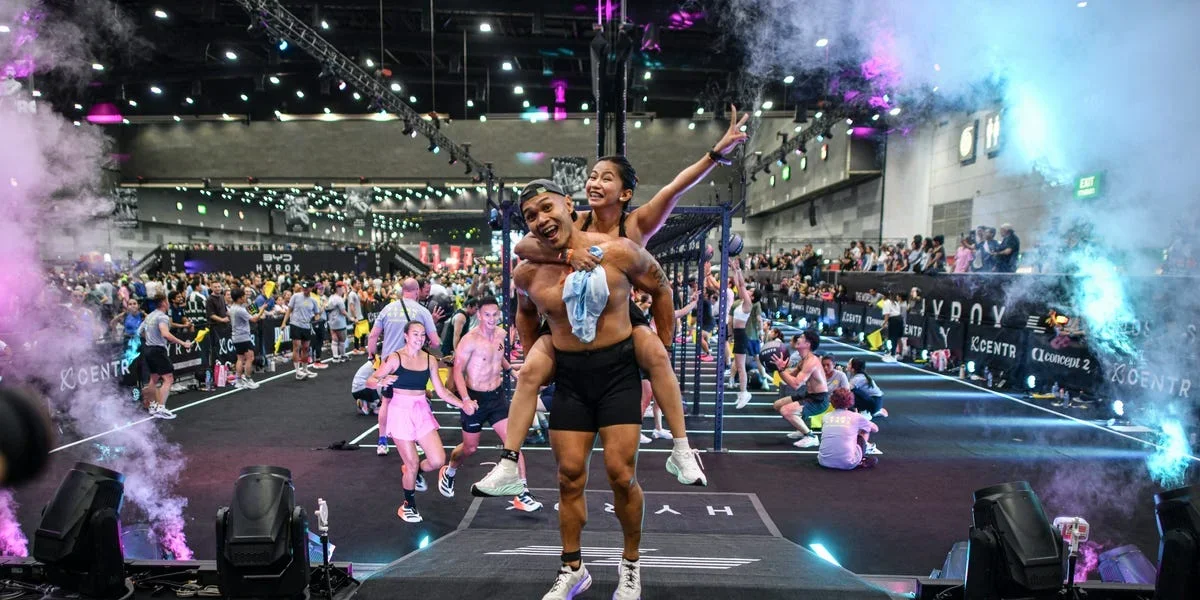
Competitive fitness is moving from niche challenge to mainstream culture, and Hyrox is one of the clearest signs of that shift. Built around standardized workouts and timed races, the format gives everyday athletes a stage to test endurance, strength, and pacing in a way that feels both measurable and motivating.
At the center of the trend is the appeal of progress with a scoreboard. Athletes like Hunter McIntyre, a three-time Hyrox world champion, represent the elite edge of the sport, but the real growth comes from participants who simply want a more dynamic alternative to routine gym training. For many, the attraction is not only performance, but the sense of belonging that comes from training and competing together.
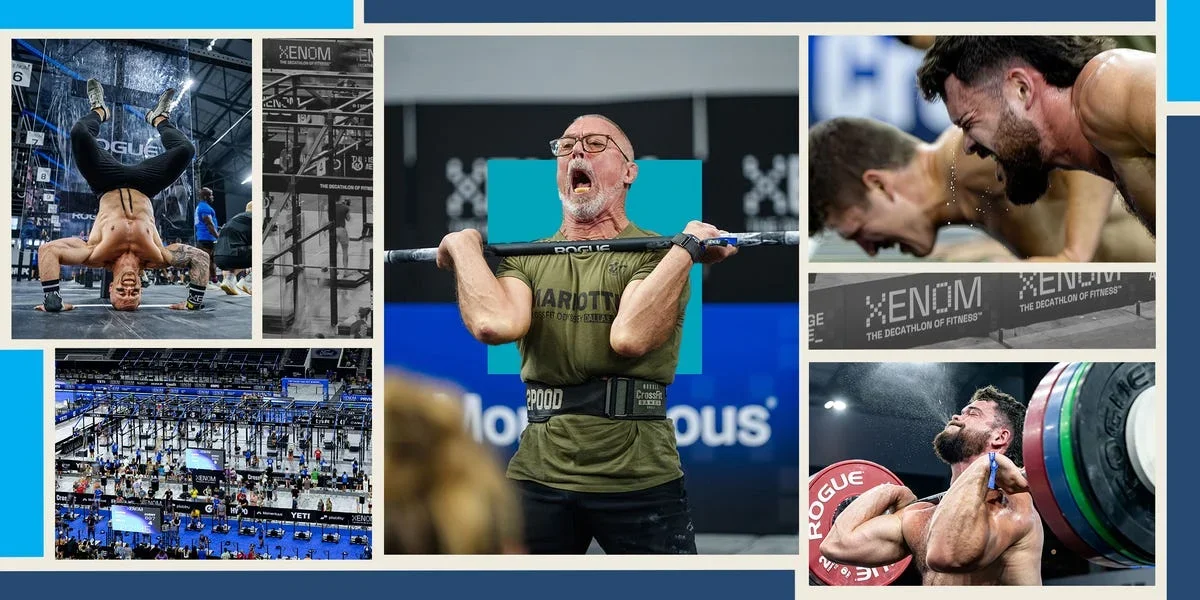
The rise of this movement traces back to the spread of functional training in the 1990s, followed by obstacle course races and the expansion of events such as CrossFit's Open. Those formats helped redefine fitness as something social, structured, and goal-driven. Today, the formula is even more refined: Hyrox combines running with a fixed sequence of exercises, making results easy to compare and progress easy to track.
That accessibility is part of its success. The event includes familiar movements such as sled pushes, rowing, lunges, and wall balls, allowing a wide range of athletes to take part. Coaches and sports researchers note that competition can strengthen motivation, while group energy and clear benchmarks help people stay committed over time.
As interest grows, new formats are entering the space, including Xenom, ATHX, and other standardized fitness events designed to blend performance, community, and spectacle. The direction is clear: fitness is evolving into a more interactive experience, where participation matters as much as podium finishes. In the future, this model could reshape how people train, compete, and define personal achievement.