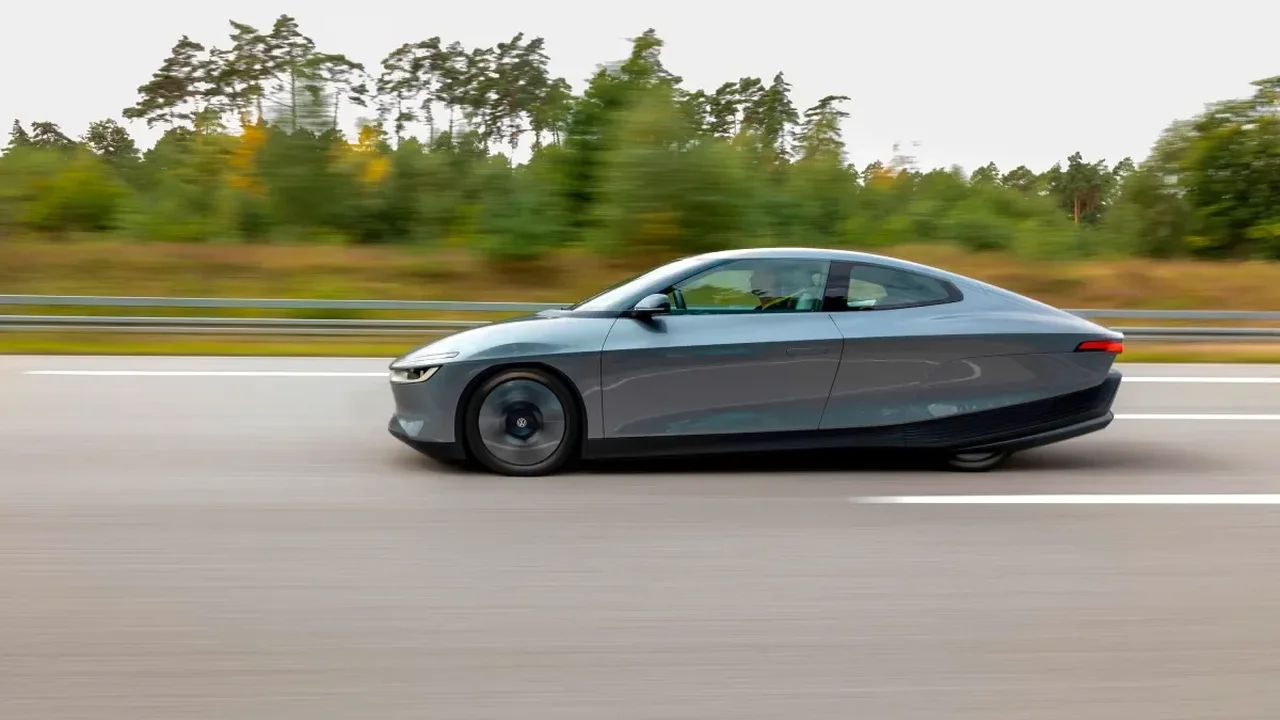
Volkswagen has unveiled the Mission Efficiency, a prototype electric vehicle designed to maximize range through extreme aerodynamics and lightweight engineering. In ideal conditions, the concept is said to reach the equivalent of 323 miles per gallon, placing it among the most efficient vehicles ever shown by the brand.
The company also put the prototype to the test on a long-distance drive from Wolfsburg, Germany, to Vienna. After covering 794 miles with a single charge stop, the vehicle arrived with 104 miles of range remaining, recording energy use of 7.51 kWh per 100 miles. Volkswagen says the car uses the electric motor and battery from the ID. Polo, bringing it close to production-level hardware.
The design follows a teardrop profile with a sharply tapered rear section, a Kammback shape that helps reduce drag. Volkswagen says the prototype achieved a drag coefficient of 0.158 and a frontal area of just 2.08 square meters. The cabin reflects the same efficiency-first mindset: it is a 2+2 layout, with rear seats intended for shorter passengers, and the interior keeps weight low with minimalist materials.
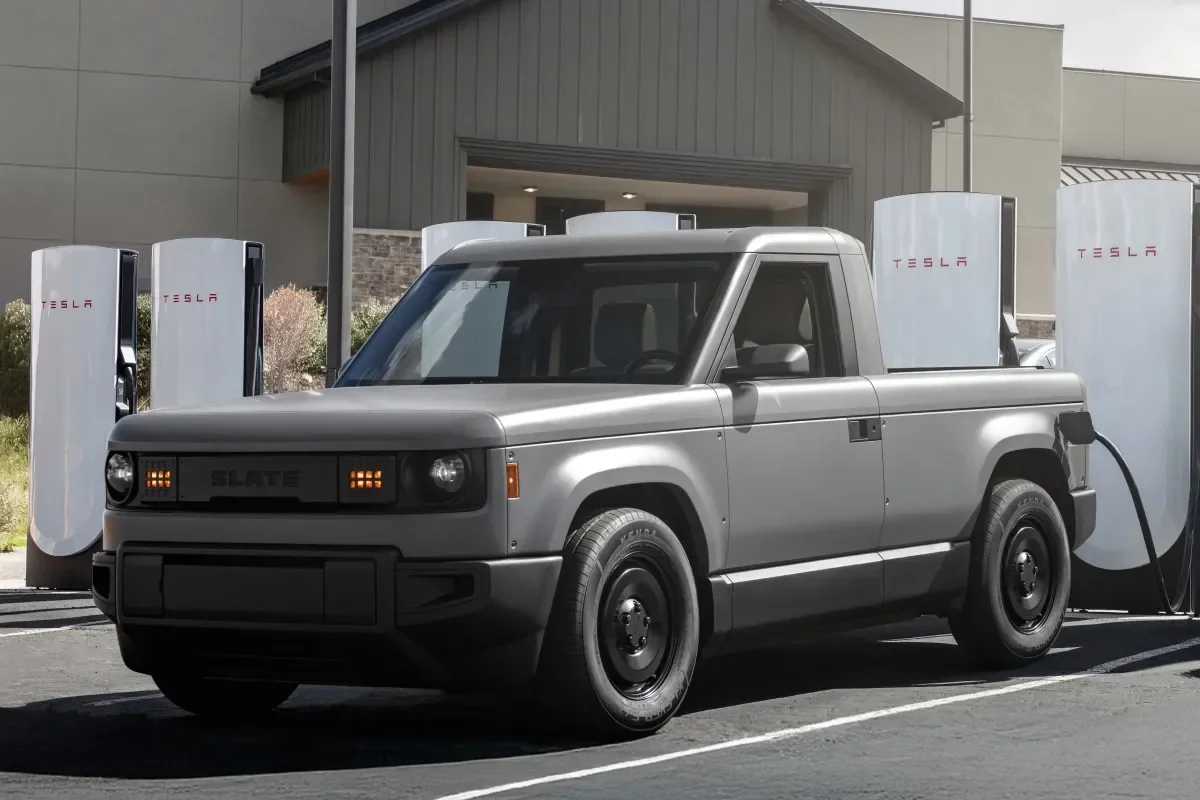
Volkswagen also borrowed a practical idea from Slate Auto by removing the usual infotainment setup. Instead, the Mission Efficiency offers a portable Bluetooth speaker and expects drivers to use their own devices. Solar cells on the roof and trunk lid add a small extra range boost under favorable conditions, while the mirrors remain conventional to preserve depth perception.
Although Volkswagen has not confirmed a production plan, the prototype signals how far EV design can be pushed when efficiency becomes the priority. It points to a future where range, form, and simplicity may work together more closely than ever.