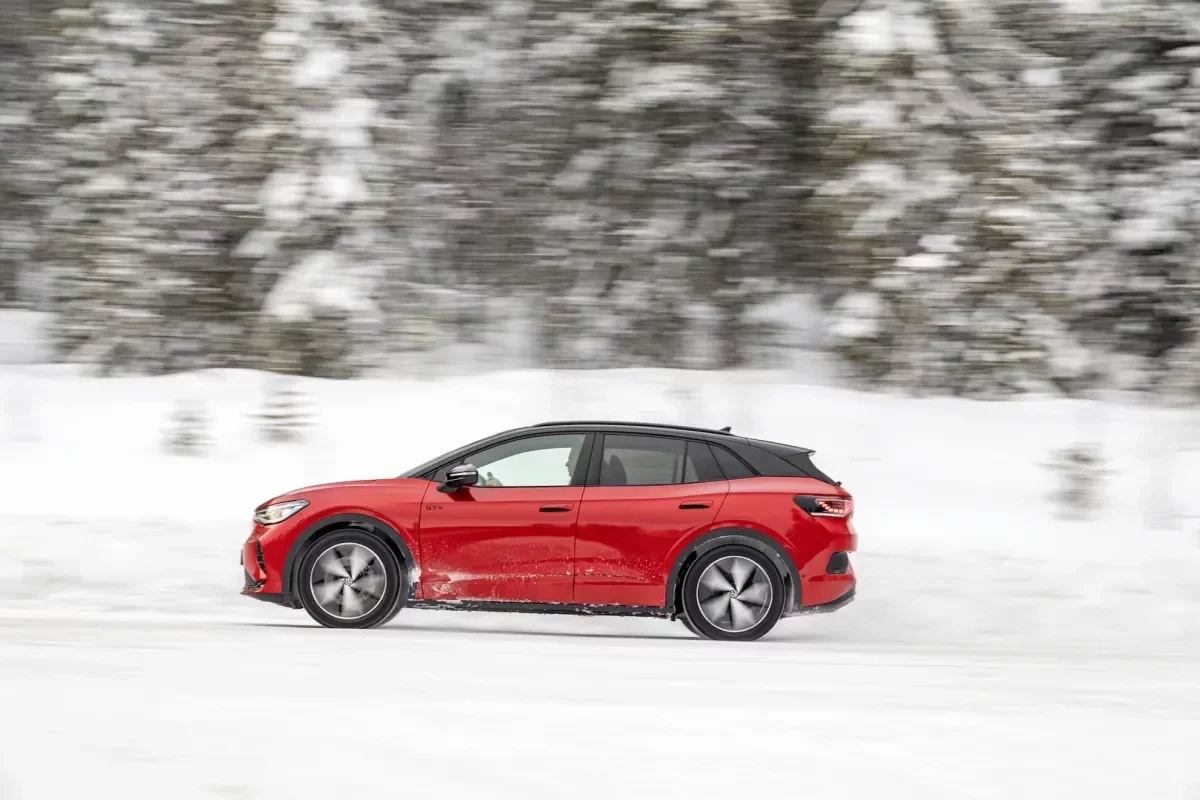
Volkswagen has announced a strategic pivot away from the all-electric ID.4 production at its Chattanooga, Tennessee factory, redirecting its efforts toward more traditional gas-powered vehicles, particularly the upcoming Atlas SUV.
As of now, U.S. customers can still purchase the ID.4 until the existing stock is depleted, which Volkswagen estimates will last through 2027. This decision marks a significant shift as the company reassesses its electric vehicle strategy amid fluctuating demand.
Like several established automakers, Volkswagen is recalibrating its ambitious transition to electric vehicles (EVs). Despite some successes in the EV market, overall demand has not aligned with prior forecasts. The recent elimination of the $7,500 federal tax credit has further impacted interest, especially for higher-priced models.
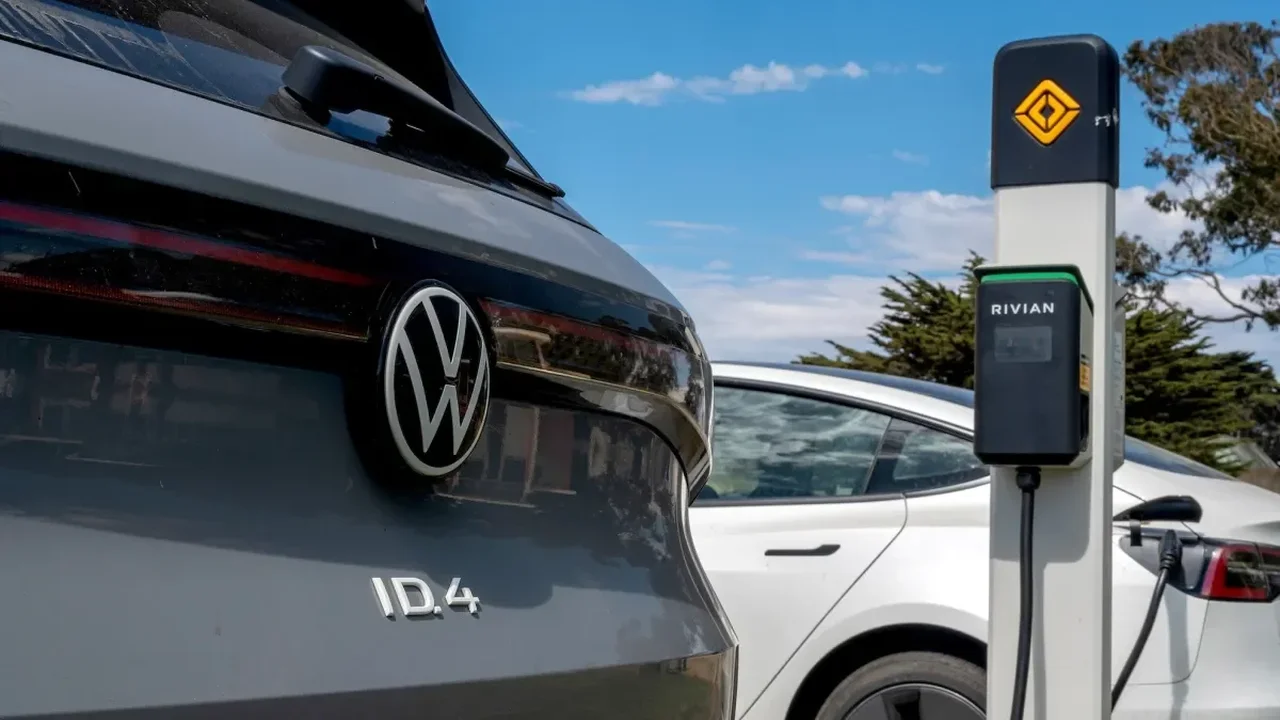
While EV sales persist, many consumers are gravitating towards more affordable options, including used electric vehicles. The ID.4, which debuted in 2020 with a price tag around $45,000, initially received positive feedback but faced challenges, particularly with its software. A refresh in 2023 revitalized interest, leading to a temporary boost in sales.
However, the sales trajectory has been inconsistent. In 2023, ID.4 sales exceeded 37,000 units, but the following year saw a staggering 55% decline. Although sales rebounded by 31% in 2025, they still fell short of previous highs.
On a global scale, Volkswagen reported that EV demand remains stable, delivering approximately 382,000 all-electric vehicles worldwide in 2025, a slight decrease of 0.2%. Nonetheless, this was insufficient to sustain the ID.4's production.
Looking ahead, Volkswagen plans to introduce new models at its U.S. factory, with the second-generation Atlas set to launch for the 2027 model year. Production is slated to commence this summer, with vehicles available in dealerships by fall.
A company representative indicated that there will be ample opportunities for employees involved in ID.4 production to transition to roles related to the Atlas. To support this transition, Volkswagen is also offering early retirement options for some staff.
Volkswagen appears committed to the U.S. market, albeit with a current focus on gas-powered vehicles. The company is exploring new products tailored to U.S. consumer preferences, potentially hinting at a more affordable compact SUV in line with their revamped strategy.
Kjell Gruner, President and CEO of Volkswagen Group of America, emphasized that the Chattanooga facility will continue to play a pivotal role in the company's U.S. strategy.
While Volkswagen has indicated plans to eventually reintroduce an electric version of the ID.4 in North America, specific timelines and details remain unclear. If this occurs, affordability will likely be a critical factor in its success.