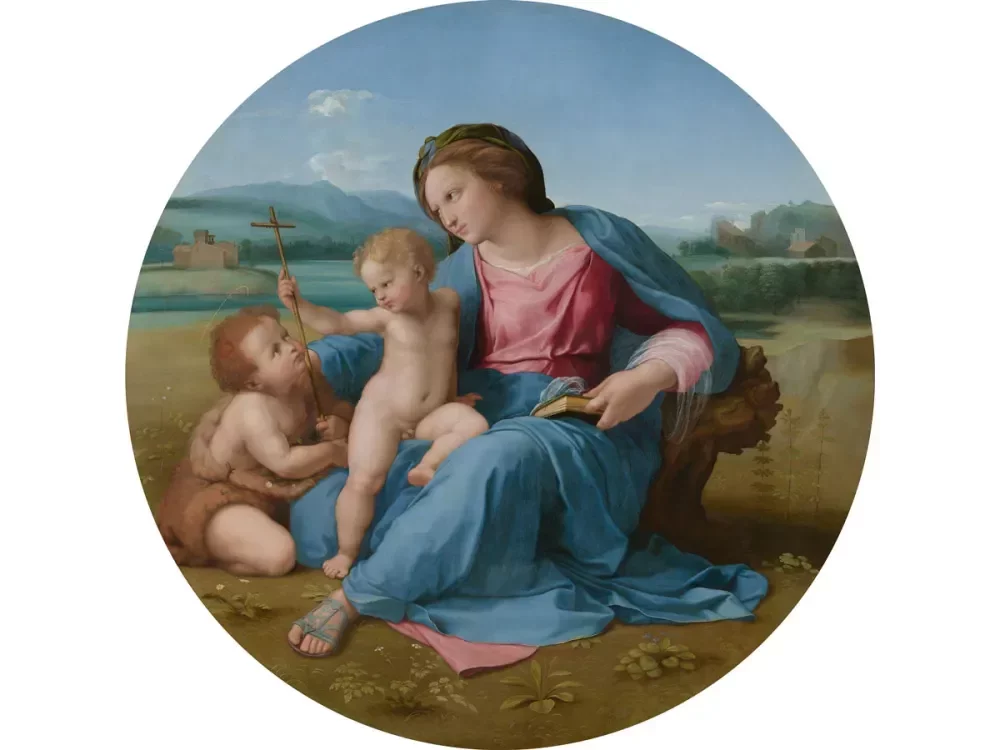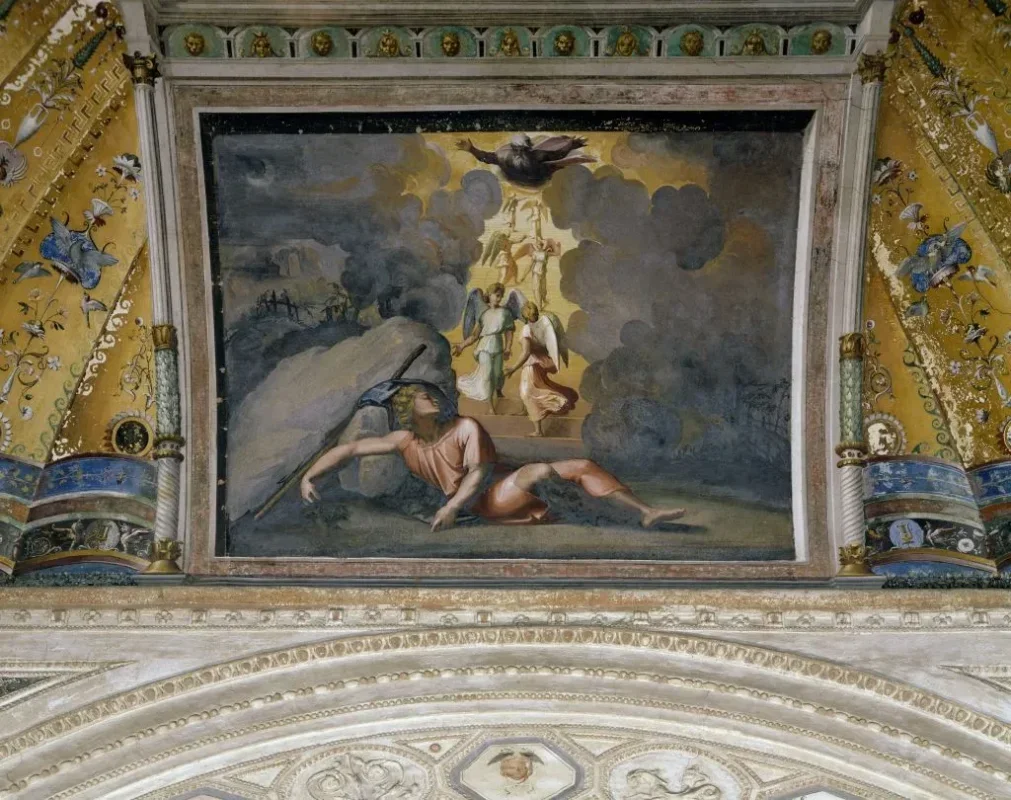
The Vatican Museums have started an ambitious restoration of Raphael's Loggias, one of the Renaissance master's most celebrated fresco cycles in the Apostolic Palace.
The project brings together more than 20 specialists who will work across a 65-meter corridor over the next five years. Their first priority is to stabilize delicate paint layers before moving into a careful cleaning process using fiber lasers.
Created between 1517 and 1519 for Pope Leo X, the Loggias are divided into 13 bays and feature biblical scenes framed by ornate Roman-inspired decoration. Conservation experts say centuries of exposure to weather, followed by 19th-century glass enclosures, created a complex microclimate that affected parts of the artwork.
Preliminary studies also revealed that two decorated sections preserved their original color more effectively because they were partly shielded from light. This discovery is helping restorers better understand how the frescoes have aged over time.
According to the conservation team, the work will include removing aging adhesives and protective films that have begun to affect the painted surface. Areas requiring retouching will be matched with techniques designed to keep the restored sections visually distinct from the original passages.
The initiative is supported by funding from the Legacy of Raphael: The Vatican and Beyond program, a World Monuments Fund project that combines restoration, training, and digital documentation. Additional support has also helped finance new windows to improve climate stability in the corridor.
As preservation science advances, projects like this can help protect cultural treasures while making them more accessible to future generations.