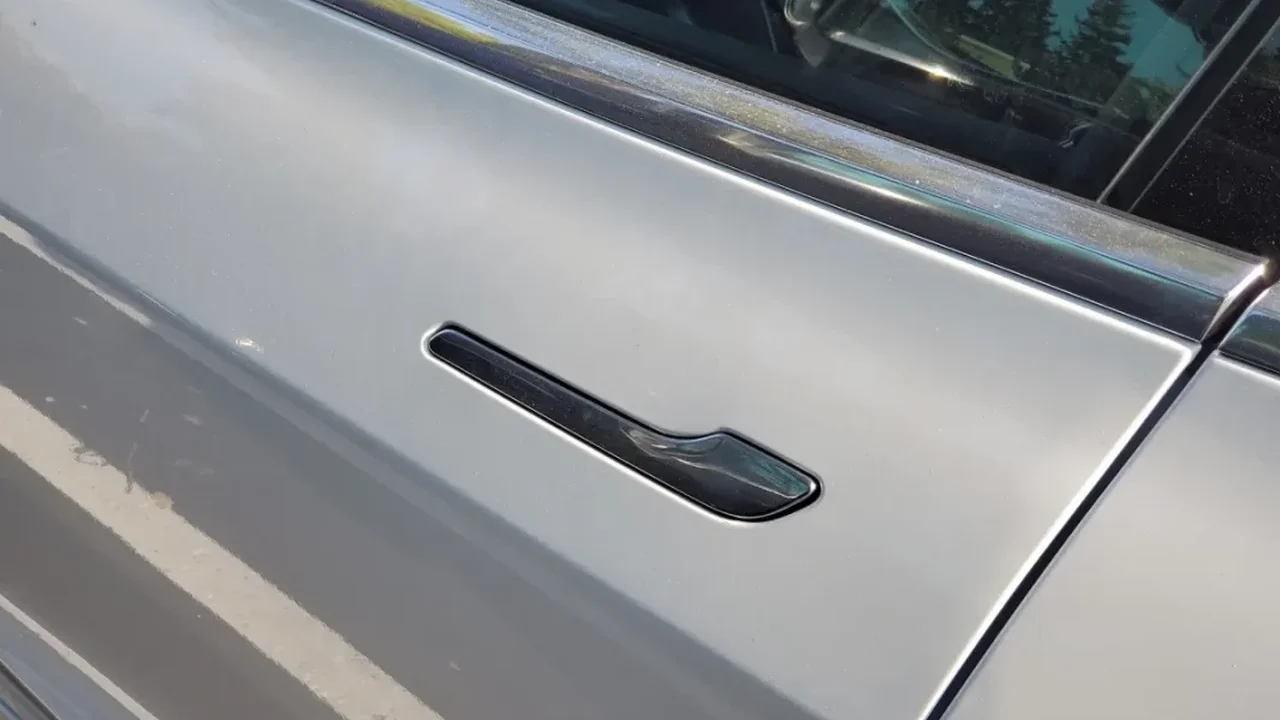
U.S. safety regulators are preparing to shape new requirements for vehicle door systems, with a focus on helping drivers and passengers exit cars more reliably. The move follows growing attention on flush, electronically operated handles used by several automakers, including Tesla.
The National Highway Traffic Safety Administration (NHTSA) said it will begin rulemaking after receiving a petition tied to the emergency mechanical release design in 2022 Tesla Model 3 vehicles. The petition argued that the current setup may not fully align with federal motor vehicle safety standards.
Rather than opening the defect investigation requested by petitioners, NHTSA said the broader issue is better handled through a formal rulemaking process. If new standards are adopted, they would apply across the industry, not just to one manufacturer.
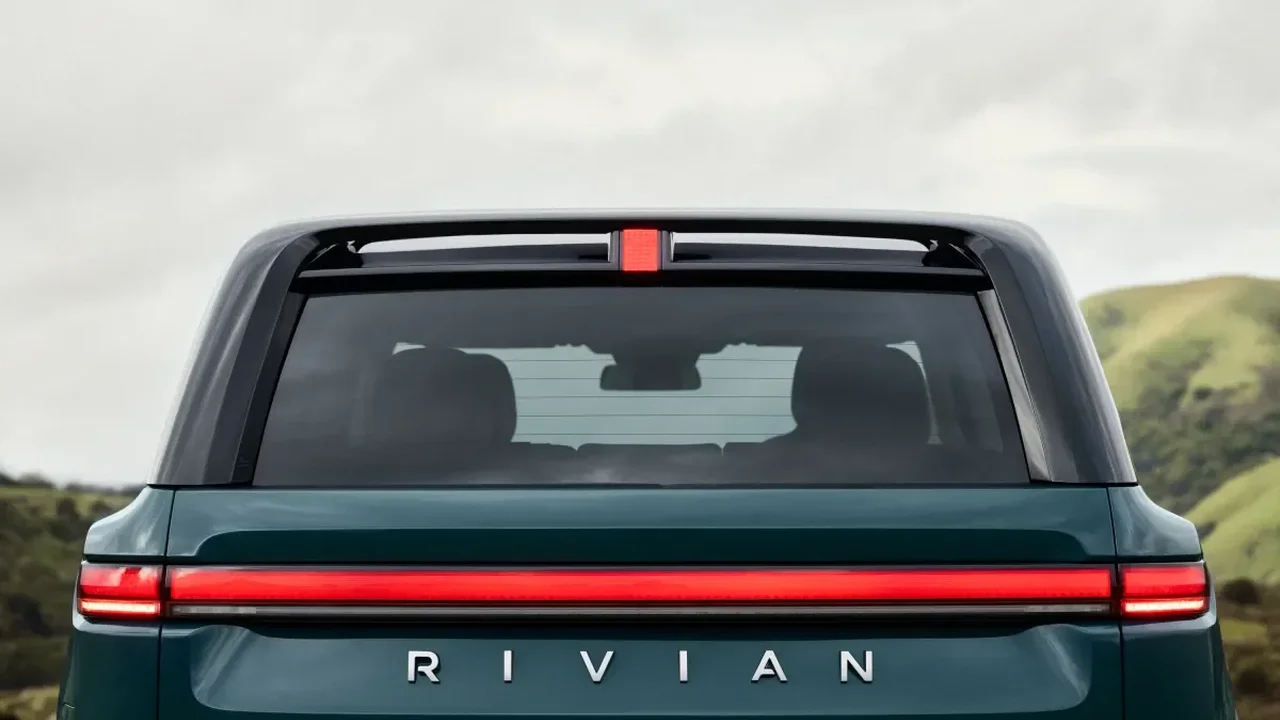
The discussion gained momentum after NHTSA previously reviewed reports involving Tesla door handles and noted that electronic locks may fail when battery voltage is too low. Tesla has said it is working on a redesign, while Rivian has also indicated plans to make its manual release more visible in future models.
As vehicles become more software-driven, safety design is increasingly centered on intuitive backup systems that remain easy to use in critical moments. This shift could help define the next generation of smarter, more resilient car interiors.