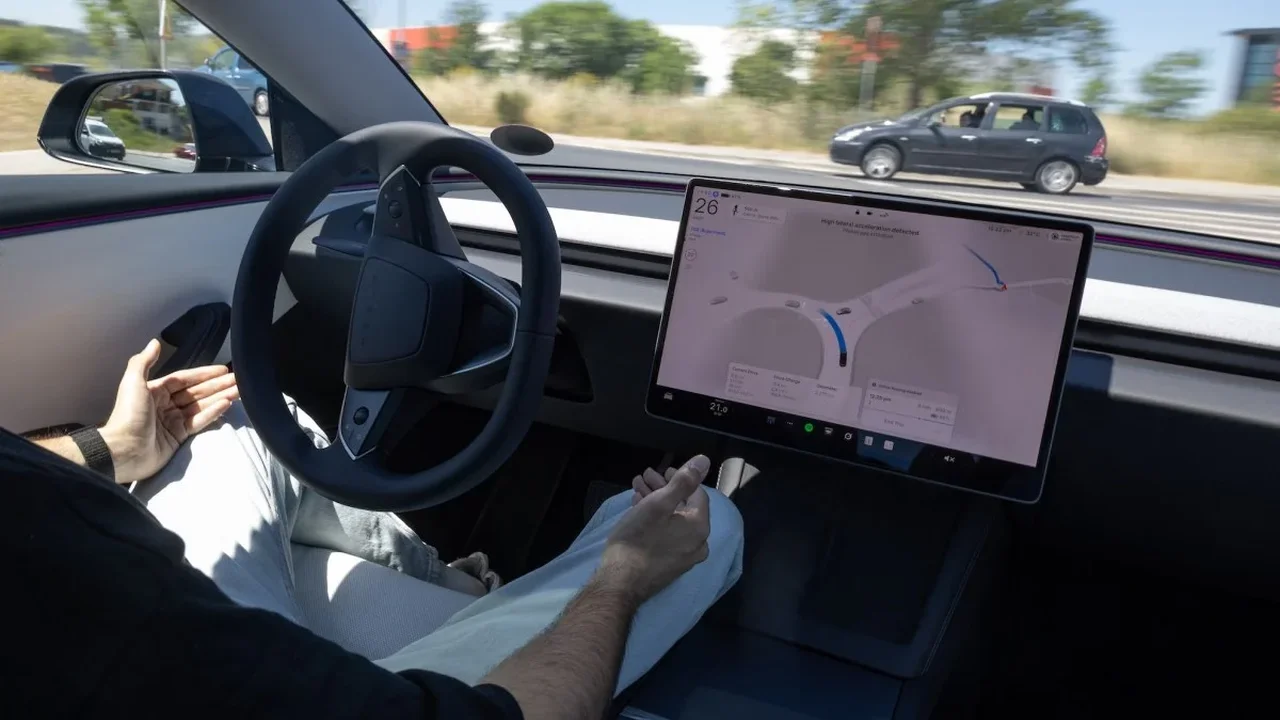
The National Highway Traffic Safety Administration (NHTSA) has intensified its scrutiny of Tesla's Full Self-Driving (FSD) software, particularly regarding its performance in low-visibility conditions. This escalation, announced by the agency's Office of Defects Investigation (ODI), has transitioned the investigation to an "engineering analysis," the highest level of examination, which often precedes a recall directive.
This investigation is one of two currently underway concerning Tesla's FSD software. In addition to this analysis, the ODI is examining over 80 reported incidents where the driver-assistance system allegedly breached fundamental traffic laws, including instances of running red lights. These inquiries coincide with Tesla's efforts to launch a robotaxi service in Austin, Texas.
The probe was initiated following four crashes reported in low-visibility scenarios, one of which tragically involved a pedestrian fatality. Over the past year and a half, the ODI has been in communication with Tesla and has pinpointed several additional incidents where the FSD software failed to perform adequately in similar conditions.
Despite ongoing discussions, the ODI has expressed concerns about incomplete data from Tesla. While the company began developing an update in June 2024 to address visibility issues, it has yet to confirm whether this update has been implemented or which vehicles received it.
The ODI has also highlighted potential under-reporting of similar incidents due to limitations in Tesla's data collection and labeling processes. According to the agency's findings, the FSD system did not adequately detect common roadway conditions that could impair camera visibility, nor did it provide timely alerts to drivers when performance degraded.
In the reviewed incidents, the system failed to recognize a lead vehicle in its path or notify the driver of deteriorating conditions until just before the crashes occurred. Such findings raise important questions about the reliability of autonomous driving technologies in challenging environments.
This ongoing investigation underscores the critical need for advancements in automotive safety technologies and the importance of transparent data sharing between manufacturers and regulatory bodies. As the industry progresses, these developments may lead to enhanced safety standards that could redefine the future of autonomous driving.