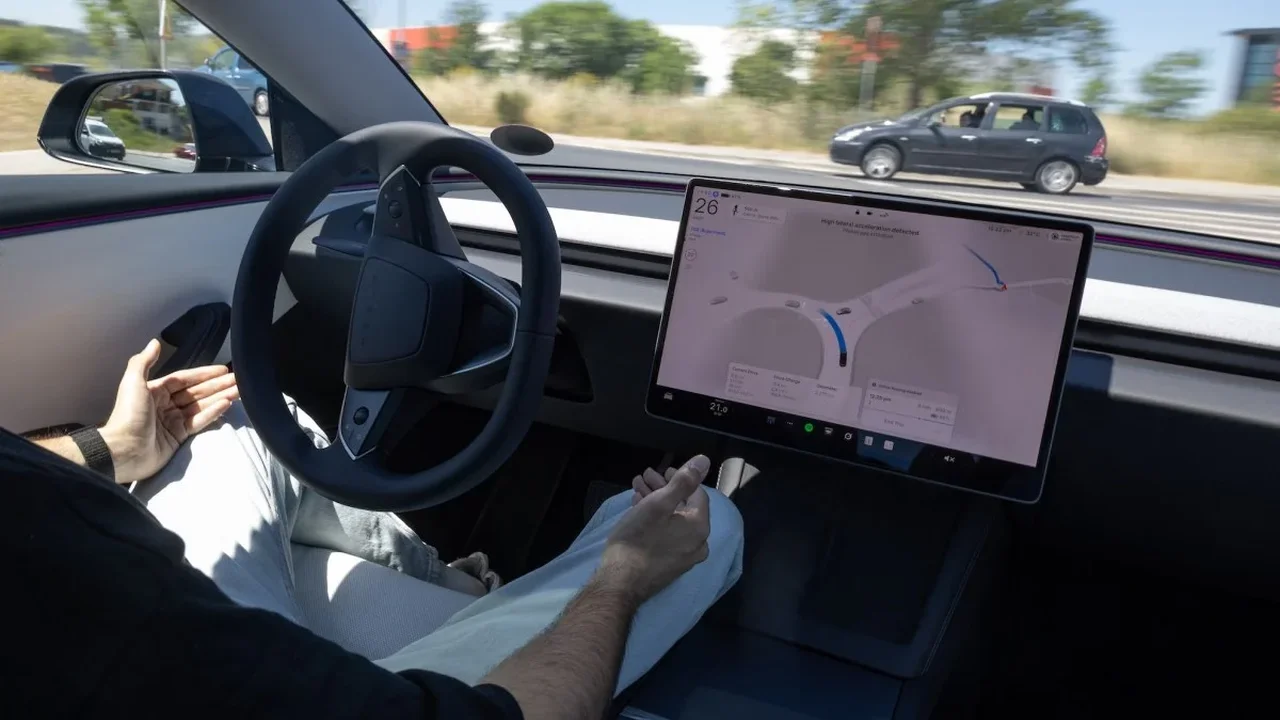
Tesla has announced a significant year-over-year increase in both revenue and profit, primarily driven by a surge in automotive sales and the popularity of its Full Self-Driving (FSD) subscription service, which now boasts 1.28 million subscribers.
Following the release of its first-quarter earnings report, Tesla's shares experienced a 4% rise in after-hours trading, reflecting strong free cash flow and notable revenue growth. The company reported a total revenue of $22.38 billion, marking a 16% increase from $19.3 billion in the same quarter last year. Automotive revenue alone climbed to $16.2 billion, up from $13.96 billion during the same period.
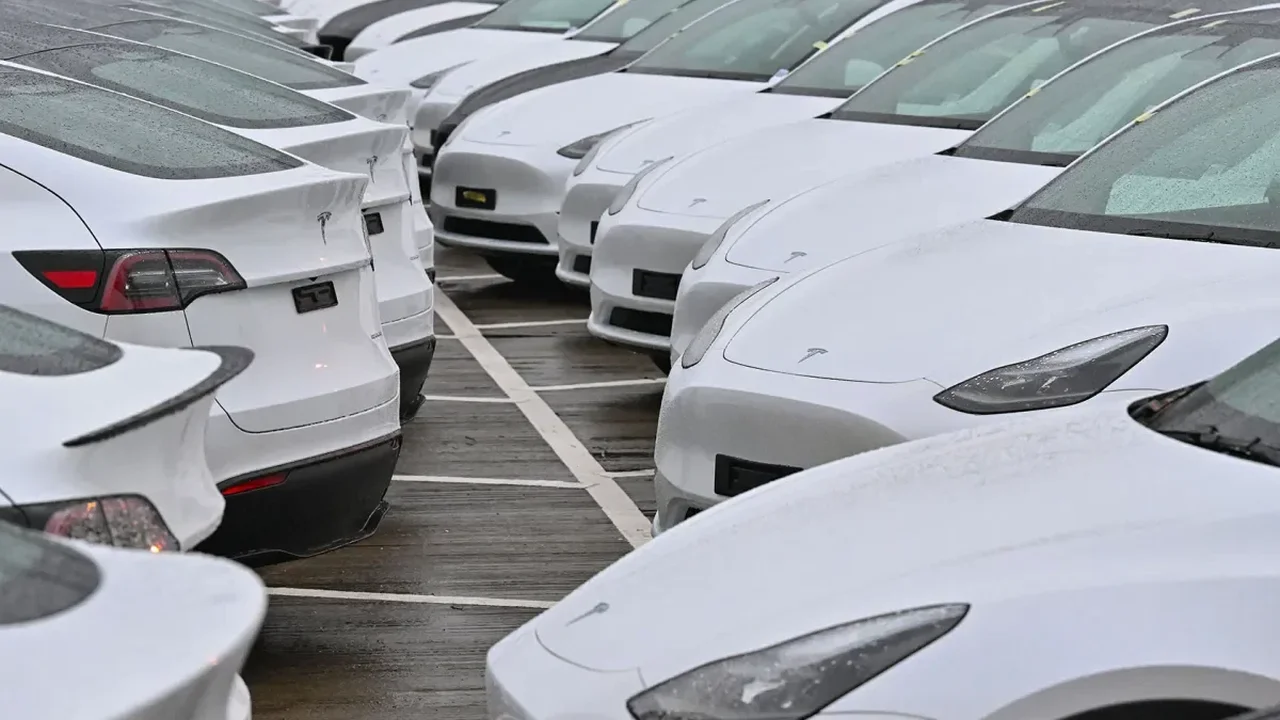
Despite these positive outcomes, Tesla delivered 358,023 electric vehicles (EVs) globally in the first quarter, which fell short of analysts' expectations of approximately 368,000. However, the company produced 408,386 vehicles in that timeframe, indicating a robust production capability.
In 2025, Tesla faced challenges that resulted in a 46% decline in profits year-over-year, totaling $3.8 billion. This downturn was largely attributed to decreased EV sales, a trend shared by other automakers following the cessation of the $7,500 federal tax credit for electric vehicles.
While the first-quarter results are encouraging compared to last year, they still indicate some weaknesses when viewed against the previous three quarters. For instance, Tesla's revenue in the fourth quarter reached $24.9 billion, and $28 billion in the third quarter, driven by a last-minute rush of consumers purchasing EVs before the tax credit expired.
The latest results highlight Tesla's continued reliance on its core EV business and subscription services, as the company transitions towards its future ambitions in AI and robotics. Currently, Tesla is yet to realize significant benefits from these future ventures.
In terms of net income, Tesla recorded $477 million in the first quarter, a slight increase from $409 million in the same quarter of 2025. However, this figure remains lower than profits from the last three quarters, where the fourth quarter saw $840 million and the third quarter yielded $1.37 billion.
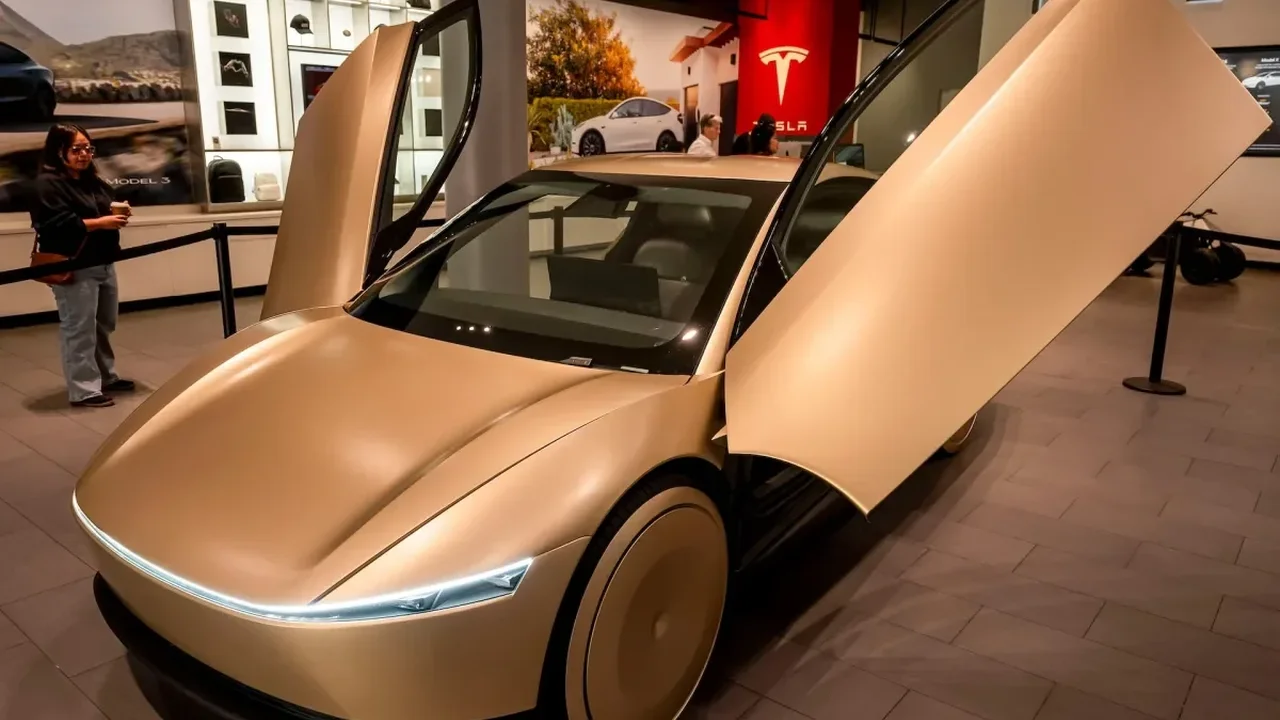
CEO Elon Musk has acknowledged the complexities of transitioning from a traditional EV manufacturer to a company focused on AI and robotics. The production of the Optimus humanoid robot is set to take place at Tesla's Fremont factory, though the rollout of its robotaxi service is still in its early stages, currently limited to select areas.
As Tesla navigates this transformative phase, the implications of its evolving business model may redefine the landscape of the automotive and technology sectors, paving the way for innovative advancements in transportation and automation.