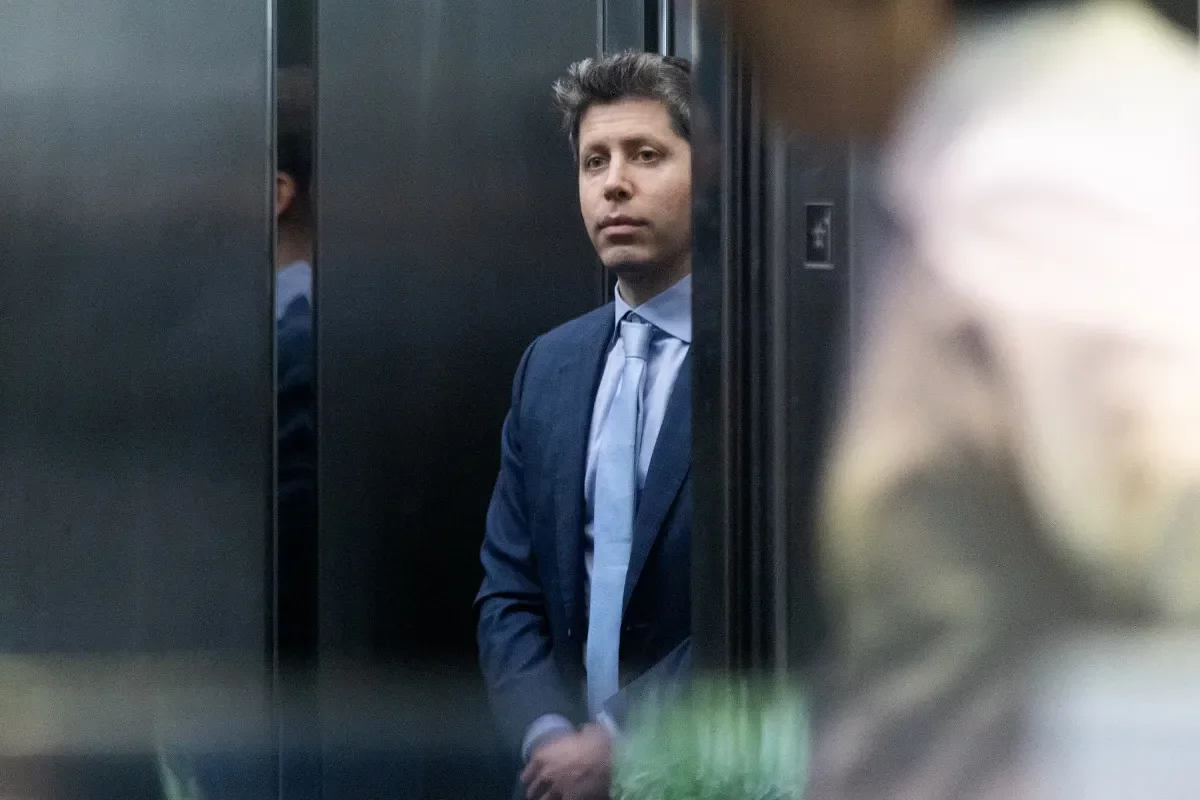
In a significant courtroom appearance, OpenAI CEO Sam Altman addressed allegations from co-founder Elon Musk regarding the company's corporate structure. Musk has claimed that the launch of a for-profit subsidiary by OpenAI's founders constituted the misappropriation of a charitable initiative.
Responding to Musk's accusations, Altman expressed disbelief at the characterization of their efforts. "We established one of the largest charitable organizations globally, and its impact is profound," he stated, emphasizing the foundation's ongoing contributions.
During the proceedings, Musk's legal team highlighted that OpenAI's foundation, currently valued at approximately $200 billion, had not employed full-time staff until recently. OpenAI board chair Bret Taylor explained that this delay was due to the complexities involved in converting equity into cash, a process that culminated in a restructuring in 2025.
A central theme of the trial is whether OpenAI's commitment to safety has been compromised as its commercial influence expanded. Altman recounted a pivotal moment from 2017, indicating that Musk's safety proposals raised concerns for him. In a tense discussion, Musk had suggested that if he were to pass away while overseeing a for-profit OpenAI, it might be transferred to his children.
Altman noted that such a focus on personal control was troubling, as OpenAI aims to prevent advanced AI from being monopolized by any individual. Drawing from his experience at Y Combinator, he recognized that founders who maintain control often resist relinquishing it.
Furthermore, Altman critiqued Musk's management style, stating it was ill-suited for a research environment. He remarked, "I don't believe Mr. Musk grasped the nuances of running a research lab," pointing out that his approach had demoralized key team members. Altman recalled an instance where Musk insisted on ranking researchers, which adversely affected the organizational culture.
Despite their differences, Altman maintained communication with Musk after he departed from OpenAI's board, providing updates on the organization's progress and seeking his guidance and investment. OpenAI's legal representatives mentioned that Musk had been informed of developments and invited to partake in funding initiatives, which he now contests in his lawsuit.
Altman recalled a productive meeting in 2018 regarding a Microsoft investment, describing it as a positive interaction where Musk shared amusing content from his phone, contrasting sharply with previous encounters.
This case not only highlights the complexities of governance in rapidly evolving tech landscapes but also raises questions about the future of AI development and ethical oversight.