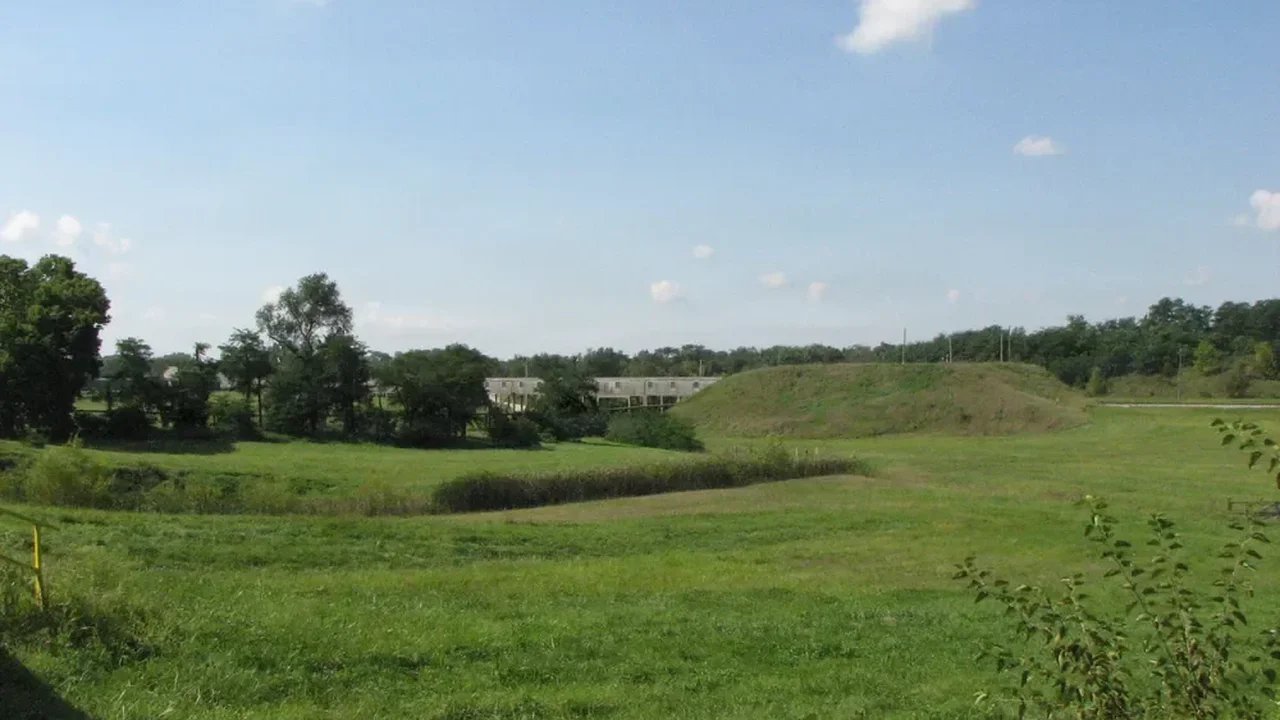
The U.S. Army plans to carry out a controlled detonation on November 25 at the Iowa Army Ammunition Plant, where deteriorating explosives are considered unsafe to handle. The stockpile contains about 9,700 pounds of lead azide, a highly sensitive material used to initiate explosions.
The Army says atmospheric modeling indicates that detectable lead particles could travel nearly 100 miles, depending on weather conditions. The operation may release lead-containing dust, although the amount that could become airborne is uncertain.
Residents in potentially affected areas have been advised to stay indoors, close windows and limit outside air entering their homes. People closest to the plant have also been advised to evacuate because the blast could break windows. The Army plans to use sand-filled barriers, water mist and weather monitoring, while the Environmental Protection Agency has required environmental monitoring and sampling after the detonation.
Why the Army chose detonation
A chemical treatment option was considered, but the Army says it would require handling or opening deteriorated containers, potentially triggering an accidental explosion. The Army's position is that a planned detonation is the safest available option, though the potential spread of lead makes post-operation testing important.
Sampling will help determine where particles settle and whether further action is needed. The operation also highlights the value of developing safer methods to manage aging hazardous materials before they become difficult to handle. Advances in monitoring and disposal technology could help guide future decisions at similar sites.