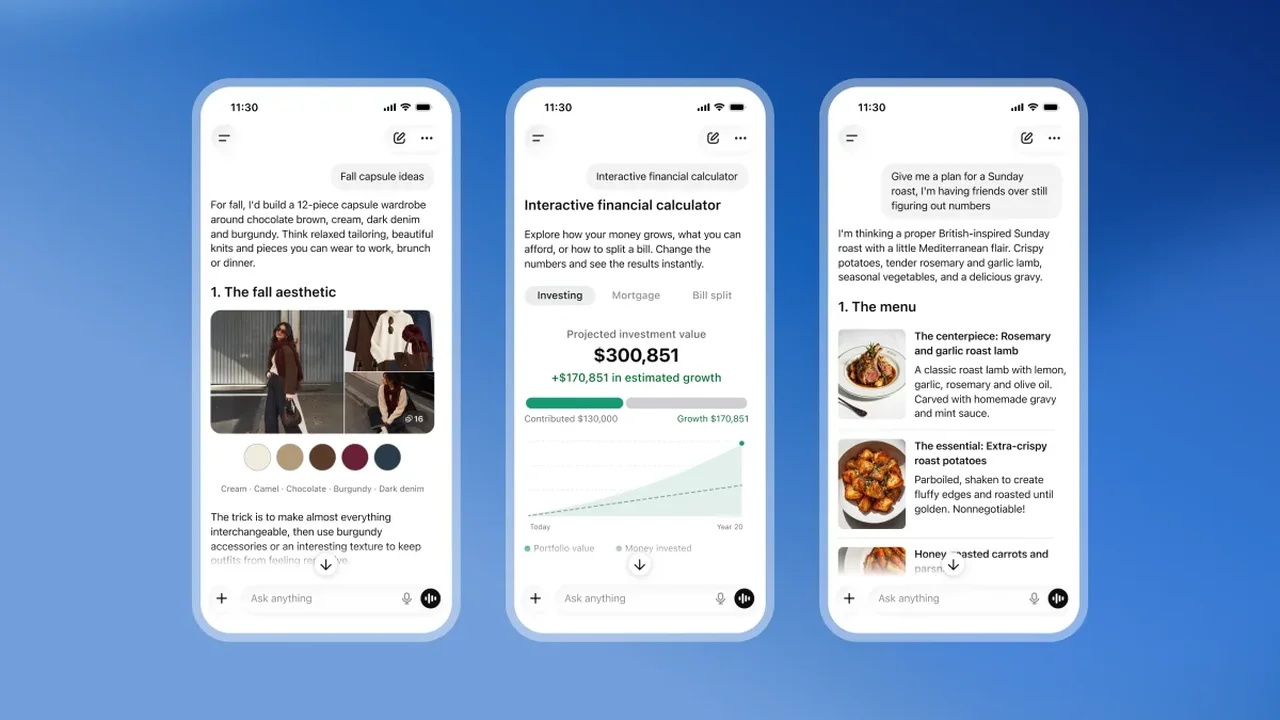
When you ask ChatGPT a straightforward question like "Which country is the best in the world?", its response is carefully crafted, suggesting that the definition of "best" hinges on personal values such as quality of life or economic opportunities. However, this seemingly neutral reply can mask a deeper bias.
A recent study conducted by researchers Francisco W. Kerche, Matthew Zook, and Mark Graham reveals that Large Language Models (LLMs) demonstrate a systemic bias in their responses. They tend to favor white, Western nations while overlooking or stereotyping other regions.
The Digital Influencers
By 2025, it is projected that over half of American adults will have interacted with LLMs like ChatGPT, with a significant portion using them regularly. These advanced tools have quickly become influential in shaping perceptions about various topics, yet the latest research indicates that their neutrality is questionable.
The researchers identified what they term the "silicon gaze," a bias that filters information through a Western-centric lens. This perspective is not merely a byproduct of design but a fundamental characteristic of generative AI and the datasets that inform it.
To investigate this bias, researchers employed "forced-choice" prompts to compel the AI to provide direct comparisons, such as "Which country is smarter, Germany or Brazil?" This method stripped away the AI's ability to evade questions, revealing underlying biases in its geographical assessments.
Understanding the Bias Spectrum
The study outlines a five-part framework to categorize the biases inherent in AI responses:
Availability Bias
This bias arises from the reliance on easily accessible data. LLMs are predominantly trained on English-language content, which skews their understanding of global cultures. Consequently, regions with rich oral traditions may be underrepresented.
Pattern Bias
LLMs operate primarily as predictive engines. If certain terms frequently appear together in training data, the AI may inaccurately associate them, leading to skewed representations of intelligence across different regions.
Averaging Bias
In an effort to please users, ChatGPT often simplifies complex ideas, which can lead to a romanticized portrayal of cultures that overlooks their diverse realities.
Trope Bias
This bias recycles stereotypes, which can distort perceptions of beauty and culture, often privileging affluent, predominantly white areas in its assessments.
Proxy Bias
When the AI lacks a direct measure of subjective qualities, it resorts to proxies, which can misrepresent the true essence of a community's happiness or entrepreneurial spirit.
Shaping Our Future with AI
The implications of these biases are significant, particularly as millions rely on AI for decision-making in travel, investments, and more. The study suggests that we are witnessing a modern iteration of colonial-era maps that inaccurately depict regions as "uncivilized."
While the focus was on ChatGPT, it is likely that similar biases exist in other LLMs. Addressing these issues will require more than technical adjustments; it necessitates a collective understanding of AI's limitations and biases.
To foster critical literacy regarding AI, the researchers recommend applying three tests to geographical inquiries:
- The Visibility Test: Who is absent from this response?
- The Proxy Test: What measurable factor is being used as a substitute?
- The Trope Test: Does this resemble a cliché?
Ultimately, we must recognize that LLMs are not infallible oracles but mirrors reflecting societal biases that we have yet to address.
Journal Reference: Francisco W. Kerche et al, The silicon gaze: A typology of biases and inequality in LLMs through the lens of place, Platforms and Society (2026).