Are you ready to transform your fitness journey? Discover the secrets to achieving your best shape with expert insights and effective workouts delivered directly to you.
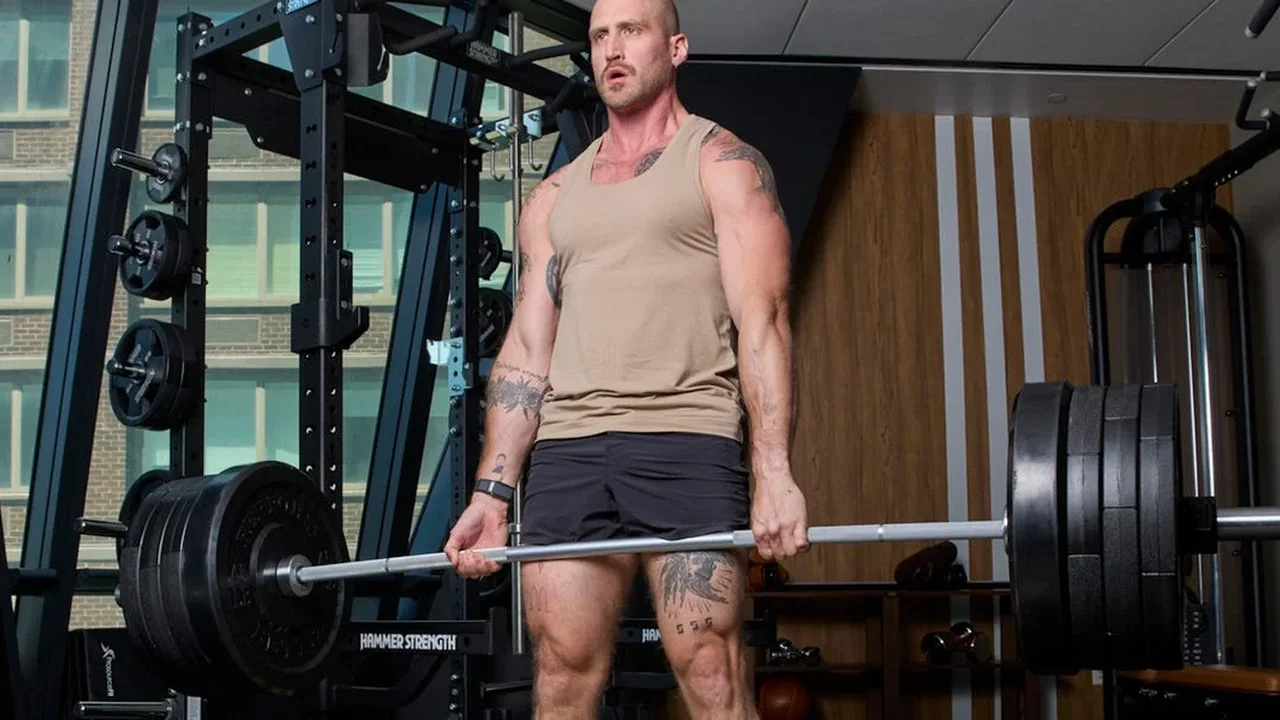
In the gym, the weight rack often symbolizes the ultimate challenge, especially with popular exercises like bench presses and deadlifts. Central to these movements is the barbell, the key tool for maximizing strength and muscle gains. However, to truly excel, it's essential to focus on perfecting your form with every lift.
Before attempting any heavy lifts, there's a crucial technique to adopt: the concept of 'breaking the bar.' While this may sound unusual, embracing this mindset can elevate your performance and results significantly.
Mastering the 'Break the Bar' Technique
This phrase doesn't imply that you should literally break the barbell. Instead, it encourages you to engage multiple muscle groups and optimize your joint positioning, enhancing stability and power. Here's how to implement this technique:
Step 1: Firmly Grip the Bar
Your grip should be strong--imagine holding onto a slippery object. This firm hold is essential for stability during your lifts.
Step 2: Rotate Your Arms Externally
While you won't actually rotate your hands, envision bending the bar into an upside-down U shape. This action engages your chest, tightens your shoulder blades, and activates your lats, leading to improved stability.
Step 3: Maintain the 'Break the Bar' Tension
Keep the tension and muscle engagement throughout your set. From your initial grip until the last rep, this technique will enhance your lifting results.
Benefits of the 'Break the Bar' Approach
This simple adjustment in your lifting technique can lead to substantial improvements in strength and muscle mass.
Enhancing Shoulder Stability
By applying torque to the bar, you externally rotate your shoulders, positioning your shoulder blades for a safe and powerful lift. This stability helps you lift heavier weights while minimizing injury risks.
Preventing Elbow Flare
Maintaining external rotation of your shoulders also prevents excessive elbow flare, reducing strain on your shoulder joints and lowering the risk of chronic injuries.
Engaging Your Lats
This cue activates your lats, crucial for stabilizing your trunk during pressing movements, ensuring a solid foundation for your lifts.
Boosting Your Lifting Capacity
The combination of shoulder stability, lat engagement, and proper arm positioning creates a powerful system for moving weight, often resulting in immediate strength gains.
Applying the Technique to Other Lifts
While 'breaking the bar' is commonly associated with bench presses and deadlifts, it can also enhance your performance in other exercises, such as squats and pull-ups, leading to greater strength and faster progress.