Are you ready to transform your fitness journey? Subscribe for weekly workouts and straightforward training tips to elevate your performance.
Fitness enthusiasts often categorize their training into distinct areas: endurance for runners, muscle building for bodybuilders, and strength for powerlifters. However, these elements are interconnected, with absolute strength serving as the cornerstone for all.
Achieving "gym strength" is fundamentally about force production: the capacity to lift substantial weights during major compound exercises. Regardless of whether you aim to be the strongest in your gym, this strength translates into quicker sprints, increased muscle mass, enhanced resilience, and ultimately, improved durability and longevity.
Defining Maximal Strength and Its Importance
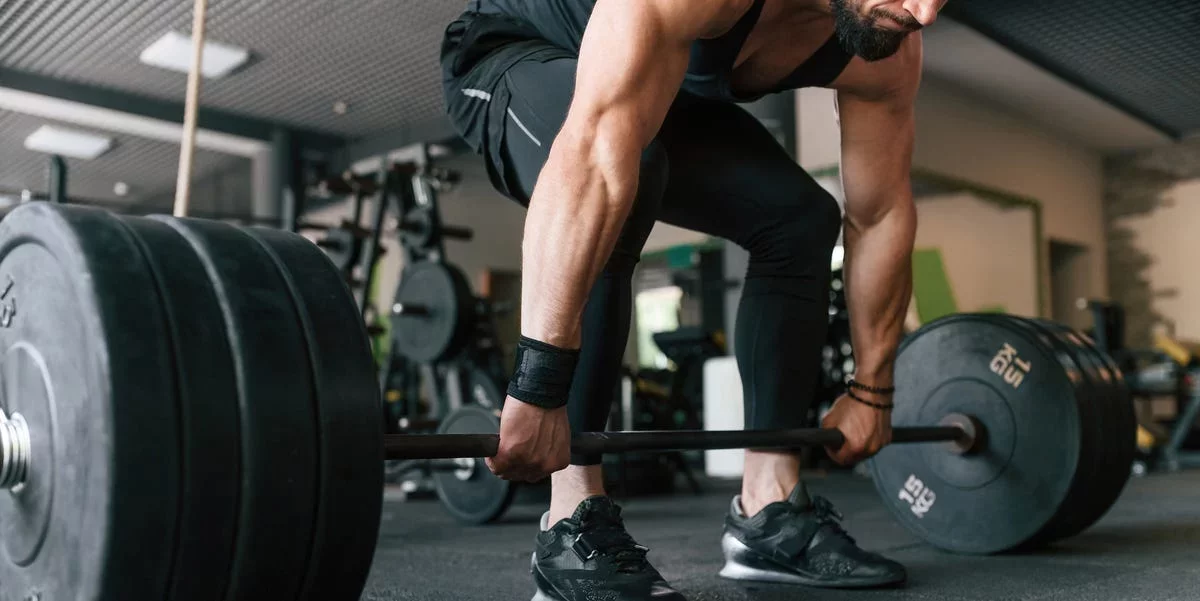
Maximal strength refers to the peak force a person can exert when lifting the heaviest weight possible, such as with barbells or dumbbells, for one repetition. While not everyone needs to test their one-rep max (1RM), focusing on increasing strength is essential, as it forms the basis for all other training objectives.
As Pat Davidson, an exercise science expert, explains, "Maximal strength is the foundation for all other types of strength." Once you reach a certain level of maximal strength, you can develop various forms of strength and force production.
In practical terms, enhancing strength allows your body to engage more muscle fibers simultaneously, resulting in more powerful and controlled movements. Whether sprinting, playing basketball, practicing Brazilian jiu-jitsu, or navigating daily activities, higher strength levels provide greater power for athletic performance.
Strategies to Boost Maximal Strength
Building muscle involves breaking down and reconstructing muscle fibers, while increasing maximal strength emphasizes the efficiency of your nervous system in utilizing existing muscle. This process depends on your central nervous system's ability to coordinate force production effectively.
Practicing specific lifts enhances your body's efficiency in executing them. Therefore, many experienced lifters dedicate time to lifting submaximal weights, concentrating on perfecting their form as they increase the load.
To enhance maximal strength, it's crucial to select exercises that directly relate to your goals. Following the SAID principle (Specific Adaptations to Imposed Demands), your training should reflect the movements and intensities of the activities you wish to improve.
For instance, if your goal is to run faster, incorporating single-leg compound movements like split squats can be beneficial, as they mimic the mechanics of running.
Moreover, effective strength training often involves starting with lighter weights to accumulate quality repetitions before gradually increasing the load while maintaining proper technique. This approach rewards consistency and patience, leading to long-term benefits.
Assessing Your Strength
It's important to note that not everyone needs to test their true one-rep max. Instead, monitoring your training progress and ensuring that your lifting numbers are improving can be a more effective indicator of strength gains. For those who choose to test their max, doing so should be approached with caution and proper preparation.
In summary, understanding and improving your maximal strength can significantly enhance your overall fitness, athletic performance, and longevity.