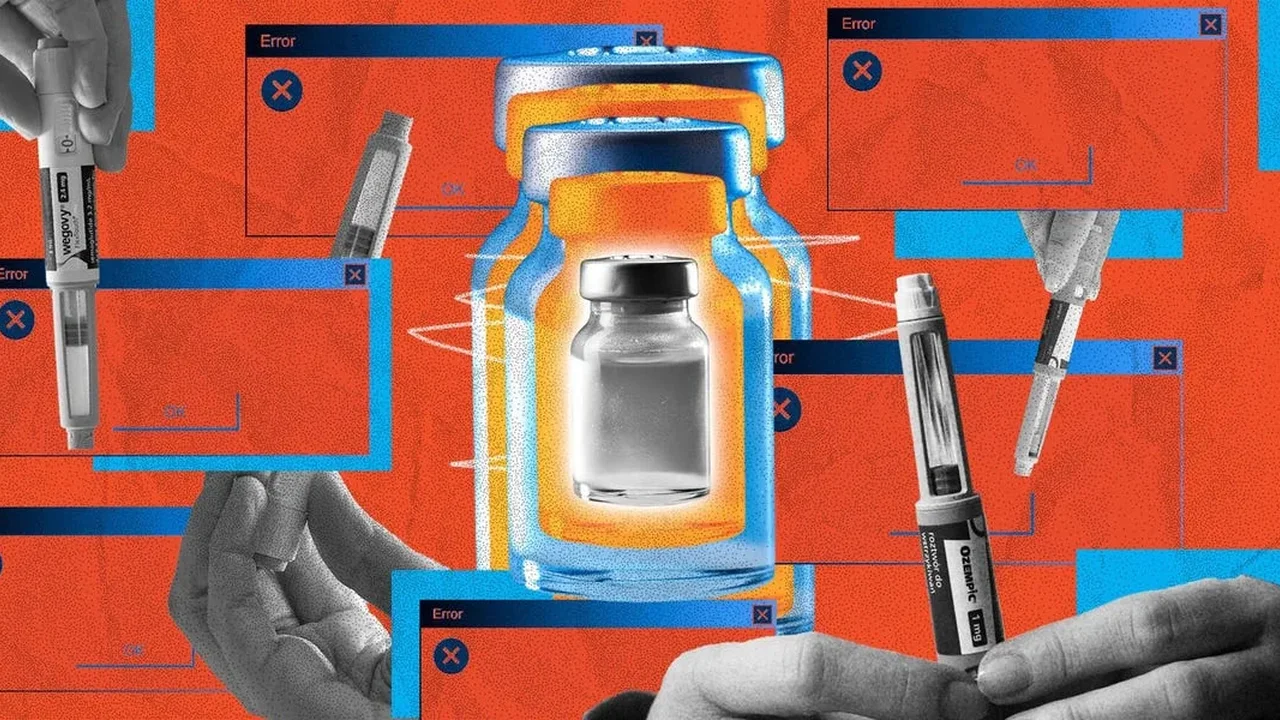
GLP-1 medicines have become central to modern weight-management and diabetes care, with products such as Ozempic, Wegovy and Mounjaro drawing global attention. In the UK, that popularity has also been matched by a sharp rise in safety reports.
What the data shows
The Medicines and Healthcare Products Regulatory Agency (MHRA) says its Yellow Card system has recorded more than 158,000 suspected adverse reaction reports linked to tirzepatide, semaglutide and liraglutide. The reports also include more than 200 fatal outcomes, though these figures do not prove the medicines directly caused those events.
Yellow Card reports are designed to flag possible safety signals, not confirm cause and effect. A report may reflect a patient's suspicion, while the real explanation could involve another illness, another treatment or coincidence. Regulators use this data to identify patterns that deserve closer review.
Among the medicines tracked, tirzepatide has generated the largest number of reports, followed by semaglutide and liraglutide. Earlier MHRA-linked figures cited in the BMJ showed a much smaller total, highlighting how quickly reporting has expanded as use has grown.
Benefits and known risks
GLP-1 receptor agonists work by mimicking a hormone that helps regulate appetite and blood sugar. Tirzepatide also acts on a second pathway, GIP, which adds to its metabolic effect. These treatments can support major weight loss and improve glucose control in people with type 2 diabetes.
The most commonly reported side effects are gastrointestinal, including nausea, vomiting and diarrhoea. In some cases, prolonged symptoms can lead to dehydration and hospital care. A rarer concern is acute pancreatitis, with the MHRA receiving 1,296 related reports between 2007 and October 2025.
Why oversight matters
Regulators also warn that part of the risk comes from counterfeit or unregulated products sold online. The MHRA has previously identified fake pens in the UK, including some that contained insulin instead of the advertised medicine.
The message for patients is clear: use these medicines only under medical supervision, follow prescribed doses and report unusual symptoms promptly. As GLP-1 therapies continue to scale, stronger monitoring may help shape safer, more precise treatment for the future.