A study involving nearly 15,000 Swedish twins suggests that artistic and scientific creativity may relate to mental health in different ways. Greater artistic achievement was associated with more reported mental health difficulties, while scientific and technical creativity generally showed no similar pattern--and some workplace measures were linked to fewer difficulties.
Researchers led by Penghao Xia of the Max Planck Institute for Empirical Aesthetics and Karolinska Institutet examined participants' achievements in areas including music, writing, dance, theater, visual art, science and invention. They also considered occupation, personality and mental health information. A total of 14,658 people took part in at least one of two surveys, and 6,419 completed both.
Different kinds of creativity
The findings underline that creativity is not a single, uniform ability. Artistic achievement and scientific problem-solving may involve distinct ways of generating ideas, and measures of creative thinking did not consistently overlap across fields.
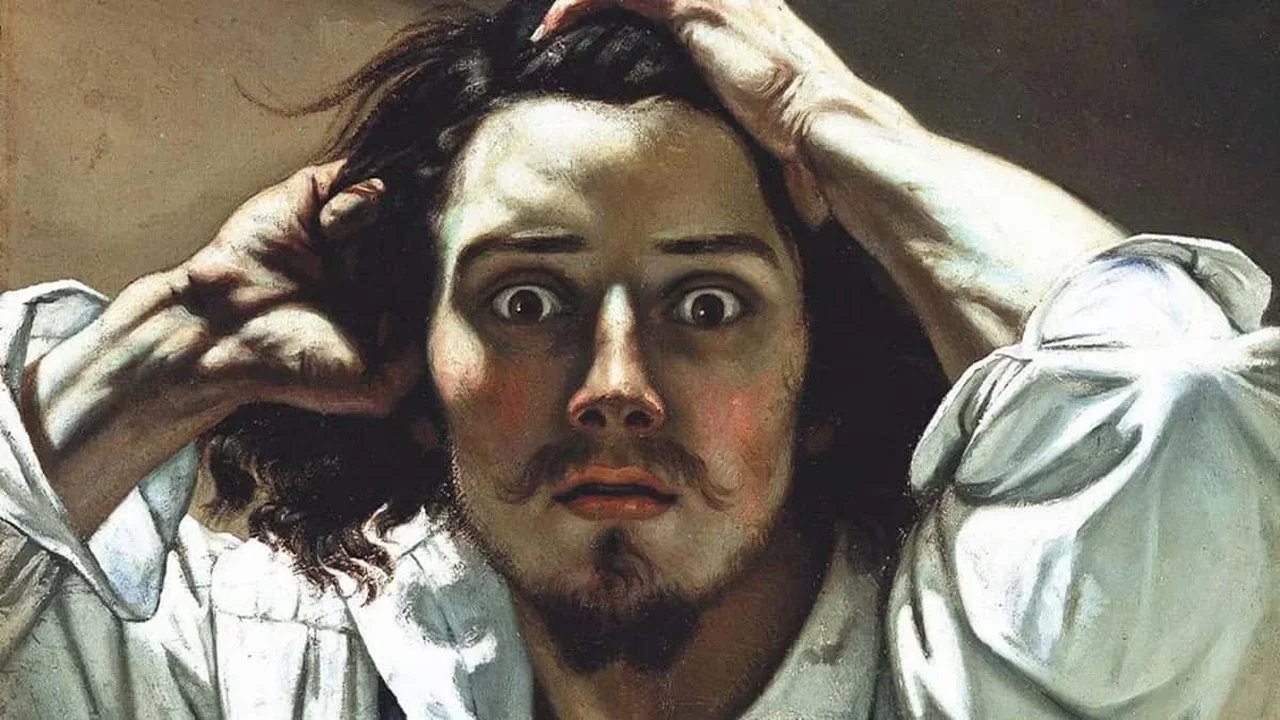
People reporting greater artistic achievement also tended to report more depressive symptoms and psychosis-like experiences. Artistic achievement was associated with a higher likelihood of later diagnoses including schizophrenia, anxiety and stress-related disorders. These are associations, however, and do not show that artistic work causes mental health conditions.
The pattern differed for scientific creativity: achievements in science and invention were not generally linked to more psychiatric difficulties. Some measures tied to scientific and technical work were associated with fewer. The researchers note that workplace conditions could potentially shape who enters and remains in different careers, but this explanation remains speculative.
Shared genes may help explain the connection
When researchers compared identical twins, many links between artistic achievement and mental health weakened or disappeared. Because identical twins share nearly all their genes and much of their early environment, this comparison points to shared influences as a possible part of the explanation.
Genetic analyses found that predispositions associated with bipolar disorder, schizophrenia and stress-related disorders also tended to be associated with artistic achievement. The study therefore suggests that some inherited factors may influence both, rather than mental health difficulties being a necessary cost of creativity.
Published in Molecular Psychiatry, the findings add nuance to the "tortured artist" stereotype. Future research may help clarify how different creative paths, inherited traits and working environments intersect, supporting a more precise understanding of creativity and well-being.