Yosemite has too many trees, the Grand Canyon is merely a hole, and Yellowstone offers an excess of rocks and water. In a collection of amusing one-star reviews, some of America's best-known natural landmarks are judged for being exactly what they are.
Nature, apparently, has some drawbacks
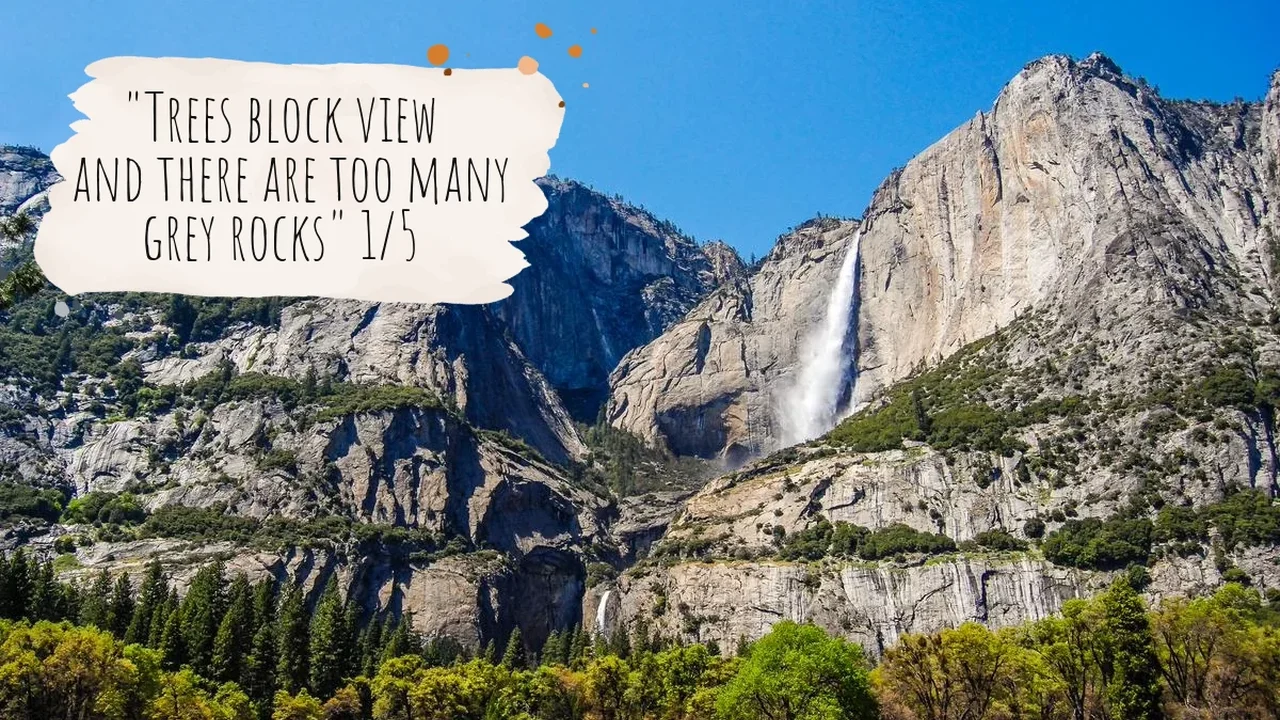
At Yosemite, a visitor complained about the abundance of trees, despite the park's towering cliffs, forests and waterfalls. Sequoia National Park's giant trees also share their habitat with insects--an unwelcome surprise for one reviewer.
The Grand Canyon's "hole" description is technically accurate, if a little understated: the canyon stretches 277 miles, reaches more than a mile deep and reveals almost two billion years of geological history.
Other reviews found fault with Saguaro National Park for having so many cacti, and reduced Yellowstone's geysers and geothermal wonders to rocks and water. At Arches, natural sandstone formations were apparently less impressive than the state's license-plate design.
Not every landscape fits the same expectations
The complaints span a wide range of landscapes and expectations. Cuyahoga Valley was questioned as a national park, while Denali's limits on private vehicle access disappointed a visitor. At Grand Teton, the mountains themselves were blamed for getting in the way of a sunset.
Big Bend's lizards were faulted for their lack of friendliness, and Colorado's Great Sand Dunes were dismissed as a large pile of sand--even though some dunes rise more than 700 feet.
These playful verdicts offer a reminder that the qualities people find inconvenient can be part of what makes a place distinctive. As more travelers explore protected landscapes, curiosity and realistic expectations may help deepen appreciation for nature's variety.