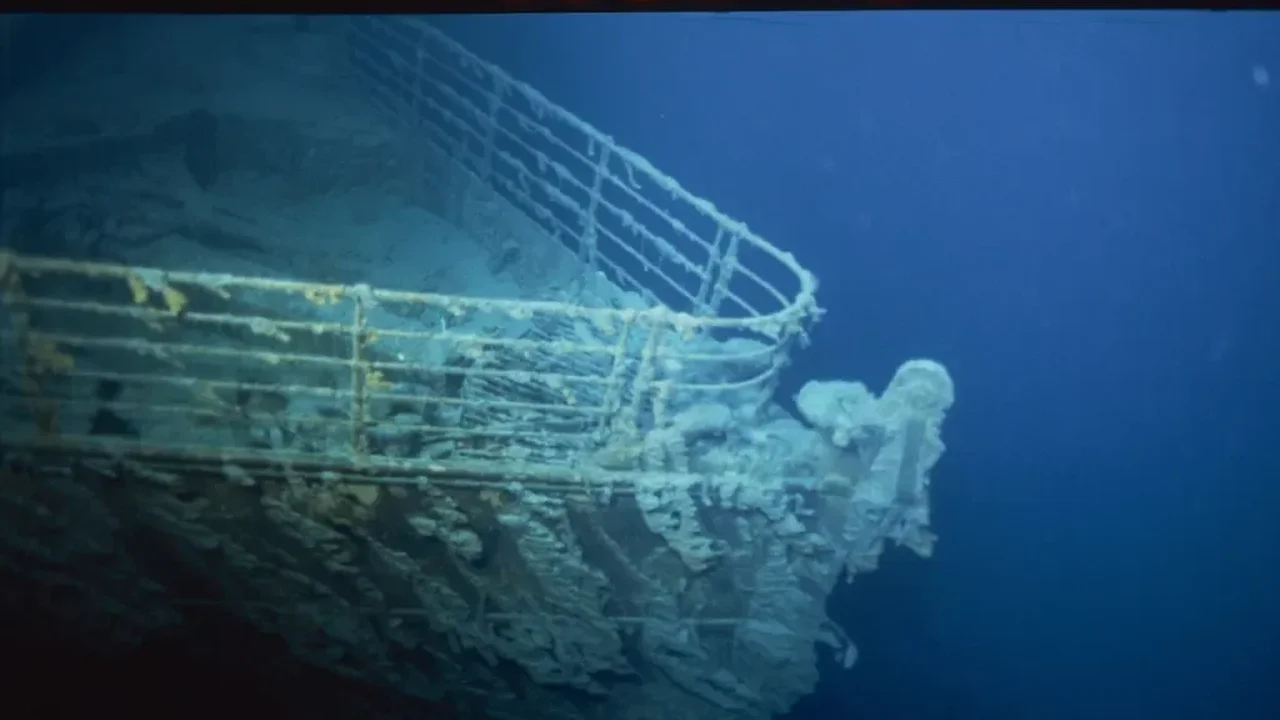
A federal court has stopped the planned auction of Titanic artifacts, extending a long-running legal debate over how one of history's most recognizable shipwreck collections should be preserved.
Judge Rebecca Beach Smith of the U.S. District Court in Norfolk, Virginia, reaffirmed a 2011 restriction that prevents R.M.S. Titanic Inc. from selling items recovered from the wreck. The company, based in Atlanta, had hoped to auction 100 objects from its earliest expedition, including a bronze cherub, a gold nugget necklace, and a heart-shaped pendant.
The court also required the company to submit a full inventory of its 5,500 recovered artifacts, along with details on where each item was found, its current condition, and its location. In addition, the judge asked for financial information to evaluate the company's ability to continue caring for the collection under its trustee obligations.
R.M.S. Titanic Inc. has held salvage rights since 1994 and has presented the collection in museums and exhibitions across the United States and Europe. The company says it has spent decades conserving the objects and sharing them with millions of visitors, while supporters of the restriction argue the collection should remain intact as a historic archive.
The case highlights how heritage preservation, legal stewardship, and public access are increasingly shaping the future of underwater archaeology. It may also set a broader precedent for how recovered cultural treasures are protected and managed in the years ahead.