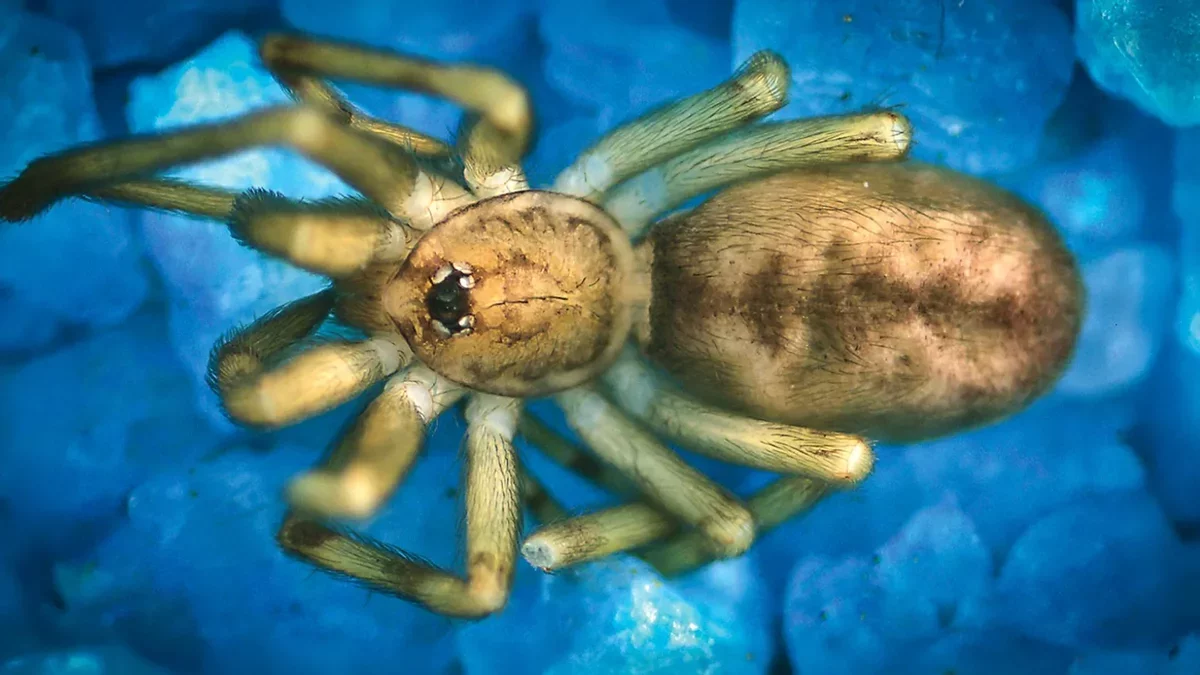
Introducing P. floydmuraria, a diminutive spider measuring just 3 to 4 millimeters, which could play a pivotal role in urban pest management. Found primarily in urban environments, these spiders have been observed preying on a variety of insects, including Hymenoptera (like ants), Diptera (such as flies and mosquitoes), and Coleoptera (beetles). Dietary studies conducted on both this new species and a related population in Armenia, Colombia, highlight their ecological significance.
Remarkably, these small predators can capture prey up to six times their own body size, showcasing their impressive hunting skills. They primarily target common household nuisances, including mosquitoes (Culicidae) and houseflies (Muscidae). By strategically positioning their webs near artificial light sources, these spiders capitalize on the attraction of phototactic insects, enhancing their hunting efficiency and contributing to the ecological balance within urban settings.
Insights from a Related Species in the Galapagos
The research also explored a related species from the Galapagos Islands, Pikelinia fasciata, providing the first comprehensive description and illustrations of its female internal genitalia. Notably, the similarities between this Galapagos spider and the newly discovered Colombian species, particularly in male palpal structures, suggest a potential close evolutionary relationship, despite the significant distance separating their habitats across the Pacific Ocean. The origins of these shared characteristics remain a topic of investigation, with scientists pondering whether they stem from a common ancestor or similar environmental pressures.
Future Research Directions
The discovery of P. floydmuraria marks only the second species within the Pikelinia genus identified in Colombia. Researchers stress the importance of conducting further molecular and DNA analyses to deepen our understanding of its evolutionary history, geographic distribution, and its role as a natural predator of urban pests. This research could pave the way for innovative approaches to pest control, highlighting the potential of small creatures in maintaining urban ecosystems.