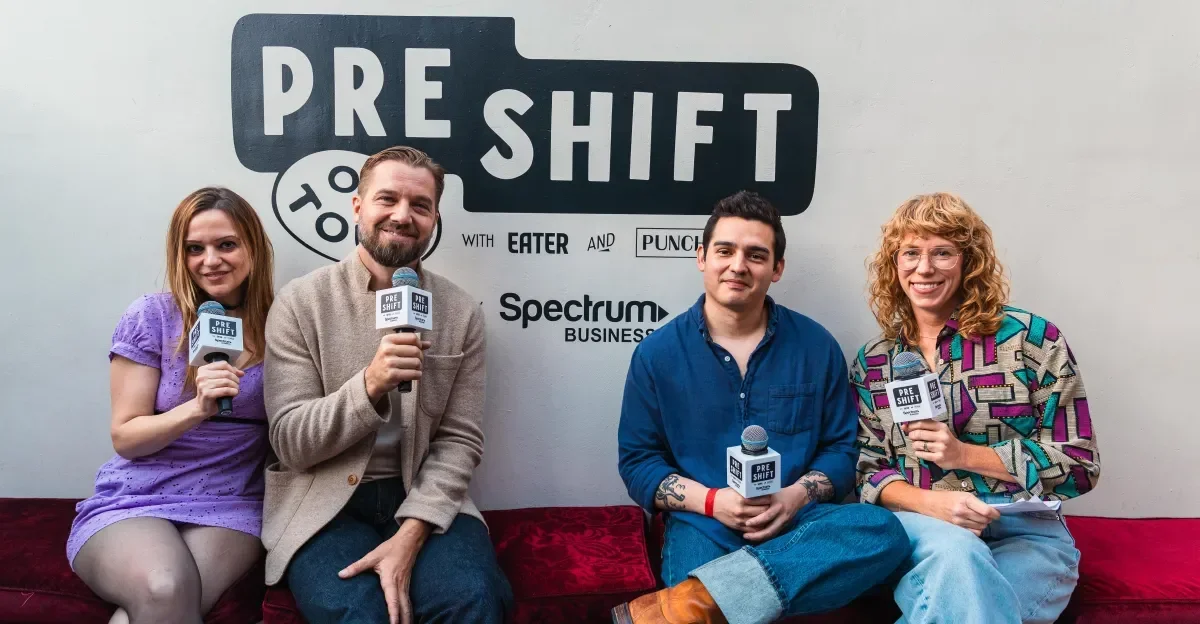
"Third space" is becoming one of hospitality's most talked-about ideas, but its meaning is simple: a place where people can gather, linger, and connect beyond home or work. In a recent conversation held at Café Tondo in Los Angeles, operators shared how cafes, bars, and hybrid venues are shaping that experience.
What makes a third space work?
For Sarah Lewitinn of Jacaranda, the concept goes beyond commerce. A true third space creates room for people who might never have met otherwise. Matthew Glaser of Park Hospitality added that the best venues encourage guests to stay, relax, and let the night unfold naturally. Abraham Campillo of Café Tondo described it as a response to modern loneliness in an increasingly digital world.
Community first, business second
The panel emphasized that lasting community is built through intention. Campillo pointed to music programming, food collaborations, and a focus on regulars, suppliers, and neighbors. Glaser said the value of a third space is measured over time, not by immediate returns. Lewitinn shared how Jacaranda grew from intimate home gatherings into a restaurant where guests still feel personally connected.
Designing for comfort and connection
Small details matter. Glaser highlighted lighting, sound, and atmosphere as subtle tools that shape the guest experience without drawing attention to themselves. Lewitinn said Jacaranda avoids table turns, allowing guests to settle in for the evening. Campillo keeps walk-ins welcome at Café Tondo, making room for spontaneous visits and flexible seating.
Digital tools, human goals
Social media now plays a major role in introducing new spaces to the public, especially for emerging businesses. Campillo said it helped Café Tondo communicate its daytime coffee service and nighttime events, while Glaser noted that online visibility can replace some traditional promotion. Still, both stressed that the real goal is to bring people together in person.
The message from the panel was clear: the strongest third spaces are built on generosity, collaboration, and a genuine love for the room and the people in it. As cities continue to evolve, these spaces may become essential anchors for future community life.