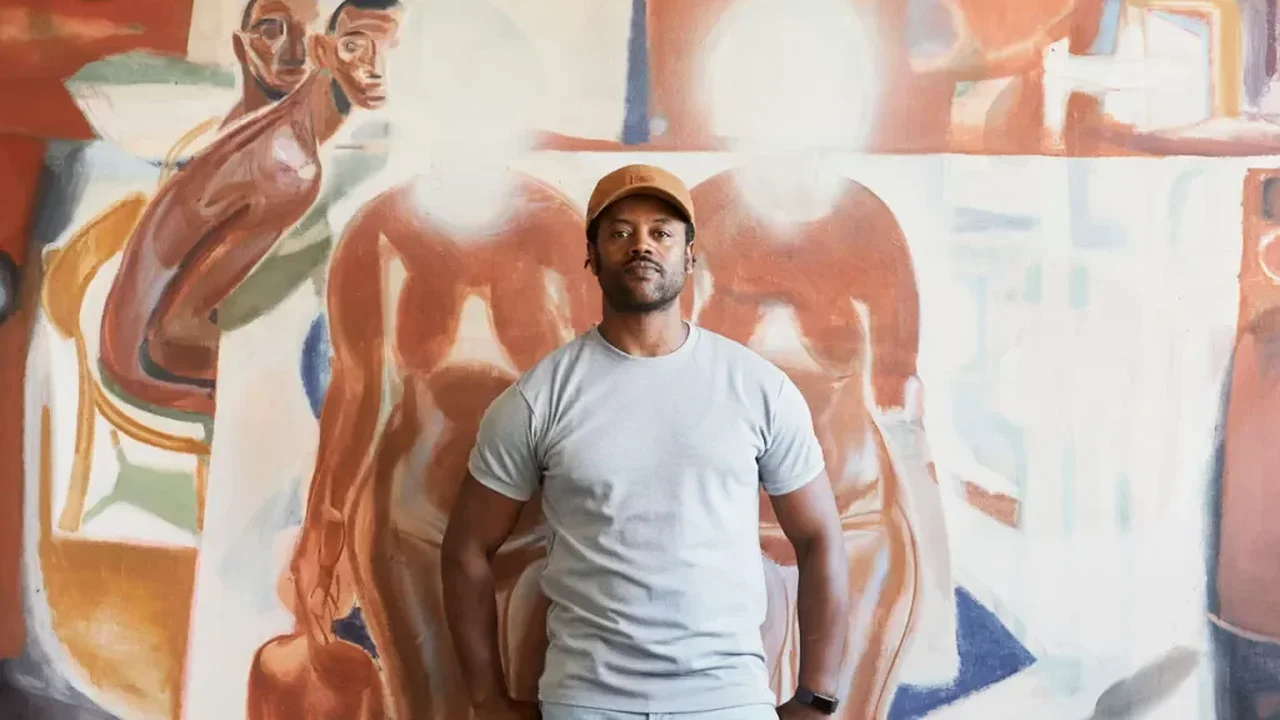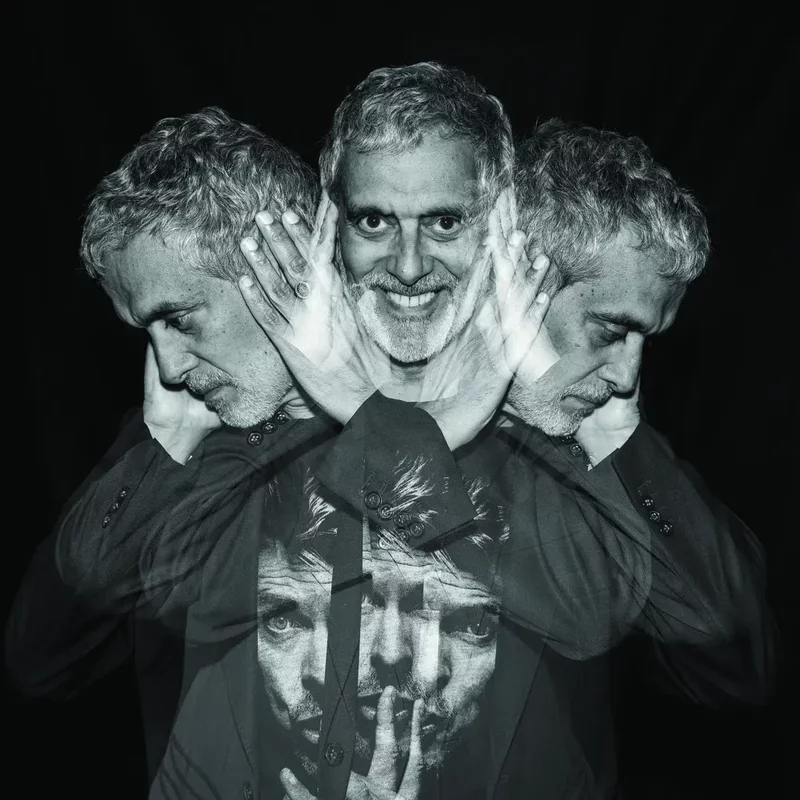
Theo Eshetu, a British-Ethiopian artist renowned for his captivating films, is showcasing his latest creation at the Venice Biennale. With a career spanning over four decades, Eshetu has consistently explored innovative ways to present his cinematic works. His past projects have included unique installations, such as the mirror box in Brave New World (1999) and the ovoid framing in The Slave Ship (The Law of the Sea) (2015). His dedication to redefining the viewer's experience is evident in his diverse approach to storytelling.
At this prestigious event, Eshetu presents The Garden of the Broken-Hearted (2026), a thought-provoking installation featuring an olive tree on a rotating platform, with a video projection of the tree itself. In an exclusive conversation, he shared insights into the conceptual depth of his work and the emotional resonance of his artistic journey.
Eshetu reflects on his friendship with the late curator Koyo Kouoh, highlighting their discussions about gardens as spaces for exploring humanity. He aims to redefine the concept of gardens, moving beyond traditional views to consider them as places for self-discovery and connection with nature.
His project, distilled to a solitary olive tree, symbolizes resilience and growth amidst challenges. Eshetu acknowledges the logistical hurdles of transporting the tree to Venice, emphasizing the irony of his transition from digital to physical artistry. This installation marks a significant shift, focusing on the natural world rather than the digital narratives he typically employs.
Eshetu's work invites viewers to engage with the tree, encouraging personal interpretations while emphasizing the importance of nurturing and caring for nature. The rotating platform serves as a metaphor for storytelling, allowing audiences to project their narratives onto the artwork.
Through this installation, Eshetu explores themes of identity and belonging, questioning the significance of cultural labels in an increasingly interconnected world. He expresses a desire to return to the roots of human experience, seeking wisdom from nature that transcends cultural narratives.
As Eshetu prepares for the Biennale, he reflects on the profound implications of his work, suggesting that the olive tree, much like the apple tree in the Garden of Eden, represents a pathway to understanding and healing in turbulent times. His installation serves as a reminder of the potential for art to foster dialogue and connection in our contemporary landscape.
Eshetu's visionary approach at the Venice Biennale underscores the transformative power of art, inviting us to reconsider our relationship with nature and each other. This development not only enriches the art world but also paves the way for future explorations of identity and connection through innovative artistic expressions.