The assertion that we inhabit a tech-driven world barely scratches the surface of its true extent.
Technologies like machine learning and artificial intelligence, alongside advanced manufacturing, have permeated various aspects of our lives--from street corners to classrooms, workplaces, and even agricultural fields. Much of this innovation originates from Silicon Valley, manifesting in devices on our wrists, smartphones in our pockets, and the entertainment we consume. It's also the technology that facilitates the ordering, sorting, and delivery of products to our doorsteps.
These advancements have elevated their creators--founders, executives, and managers--to a status reminiscent of royalty, with their wealth and influence echoing the Gilded Age. Currently, seven of the ten wealthiest individuals globally have their fortunes closely linked to the tech sector, including Amazon's co-founder Jeff Bezos, who ranks third, following Meta's Mark Zuckerberg and entrepreneur Elon Musk.
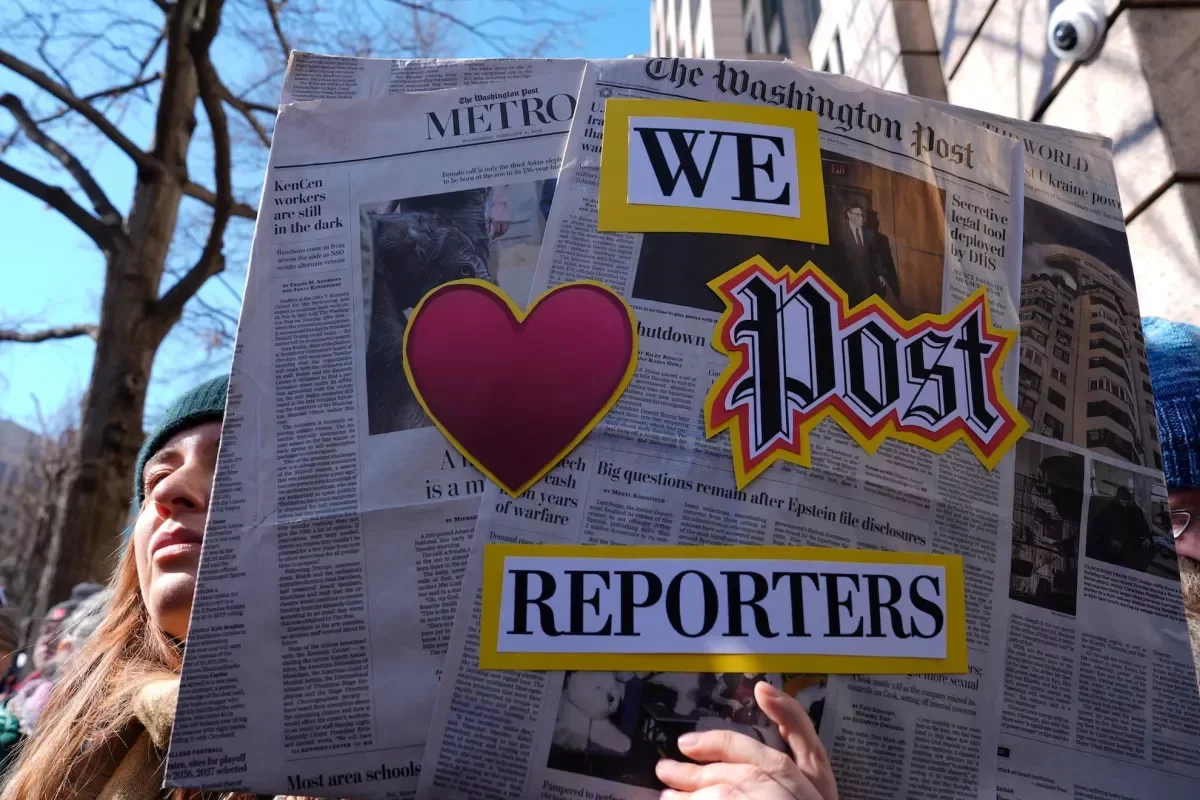
In a significant move, Bezos-owned Washington Post has dramatically reduced its coverage of the tech industry amidst a wave of layoffs affecting over 300 employees. The team dedicated to tech, science, health, and business has shrunk from 80 to just 33 members, with the tech desk alone losing 14 journalists. The San Francisco bureau has been significantly downsized.
Those impacted include reporters focused on Amazon, artificial intelligence, internet culture, and investigative journalism. The publication has also eliminated roles related to media coverage, which previously addressed Bezos' ownership of the paper.
In addition to tech, the Post has dismantled its entire sports department, drastically reduced its foreign reporting teams, and closed its Books section, while also cutting coverage related to culture and local issues in the DC area.
While tech coverage is crucial, it must be balanced with coverage of social, economic, and geopolitical matters. The individuals wielding significant influence over global politics and economies are also responsible for shaping the narrative surrounding these issues.
Executive editor Matt Murray framed the layoffs as a necessary reboot to better connect with readers and ensure profitability in an increasingly competitive media landscape.
It's no secret that The Post has faced financial challenges and subscriber losses in recent years, in part due to decisions influenced by Bezos, such as the withdrawal of presidential endorsements by its editorial board, which reportedly led to substantial subscription cancellations.
Web traffic has also seen a sharp decline, with daily visits plummeting from 22.5 million in January 2021 to around 3 million by mid-2024.
As part of broader trends in the media industry, The Post's layoffs reflect a shift in ownership dynamics over the past decade. Bezos' acquisition of the paper in 2013 was seen as both a hopeful and skeptical move by journalists who had witnessed the consolidation and challenges of transitioning to a digital-first approach.
Bezos' investment in media aligns with a trend of billionaires acquiring struggling media entities, a shift that has raised questions about the implications for journalistic integrity and independence.
As the media landscape evolves, The Washington Post's reconfiguration raises important questions about its future role in delivering news that matters to its audience.