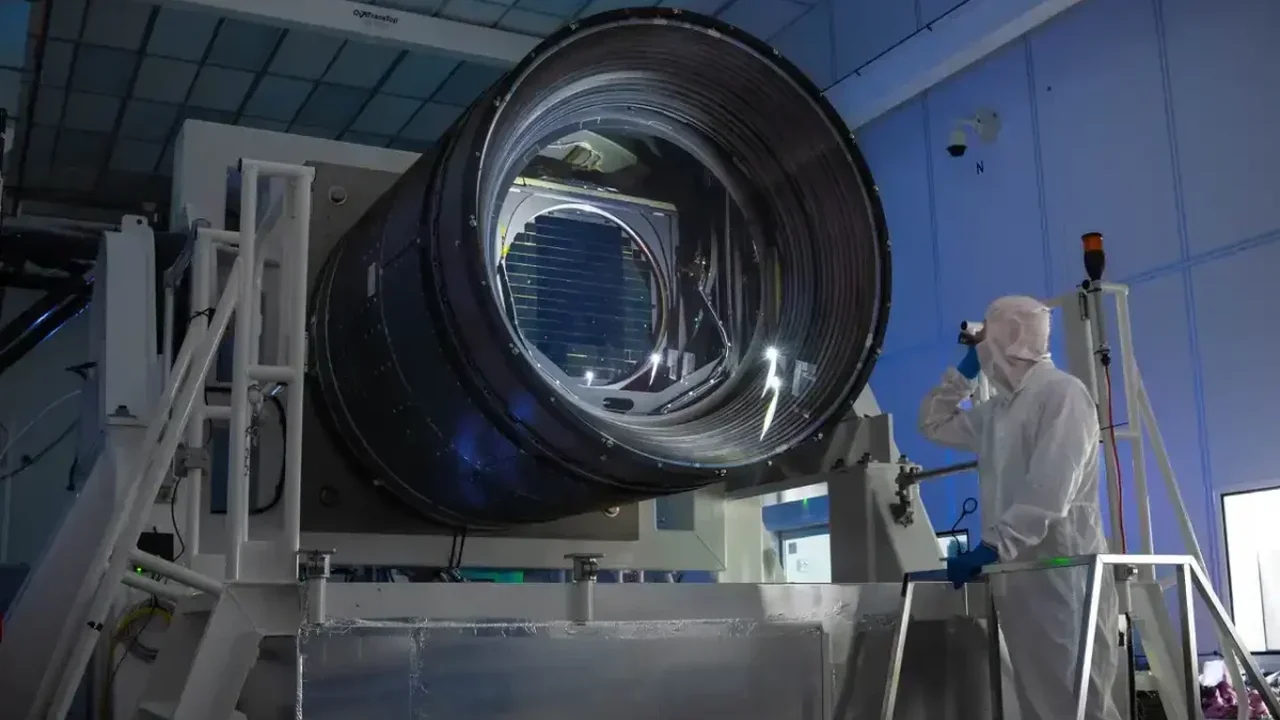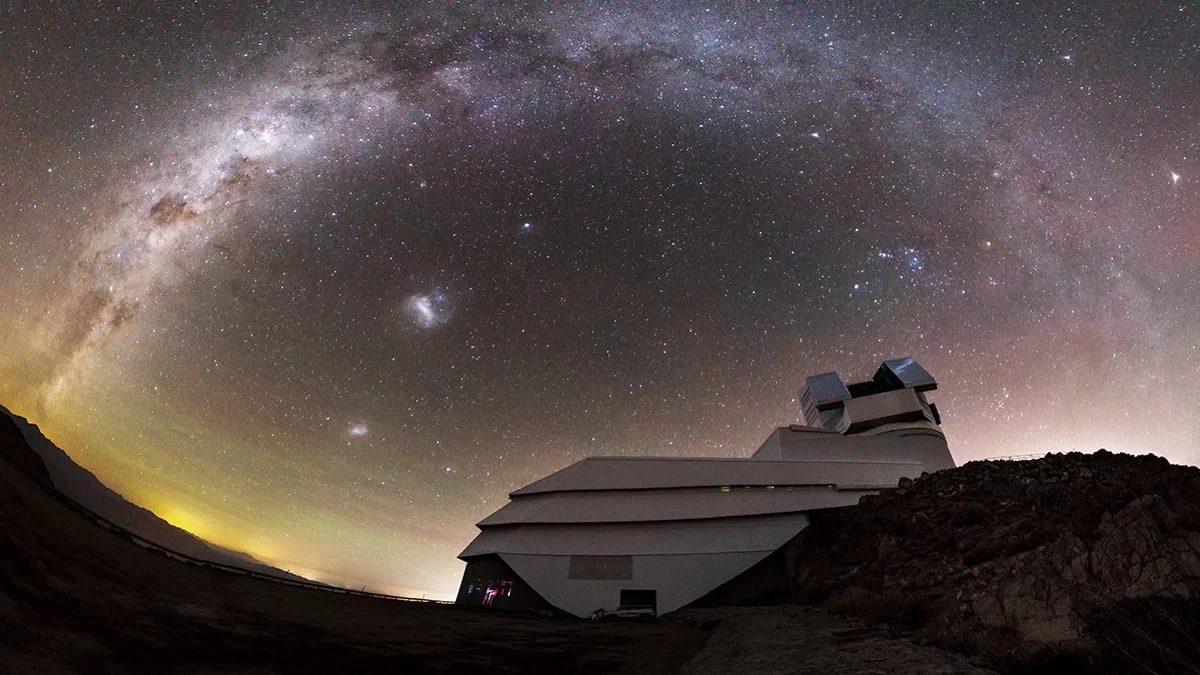
The Vera C. Rubin Observatory is set to transform the field of astronomy with its groundbreaking capabilities. Located in the majestic Andes of Chile, this state-of-the-art facility will conduct extensive time domain astronomy, capturing fleeting cosmic events that can occur within moments or unfold over years.
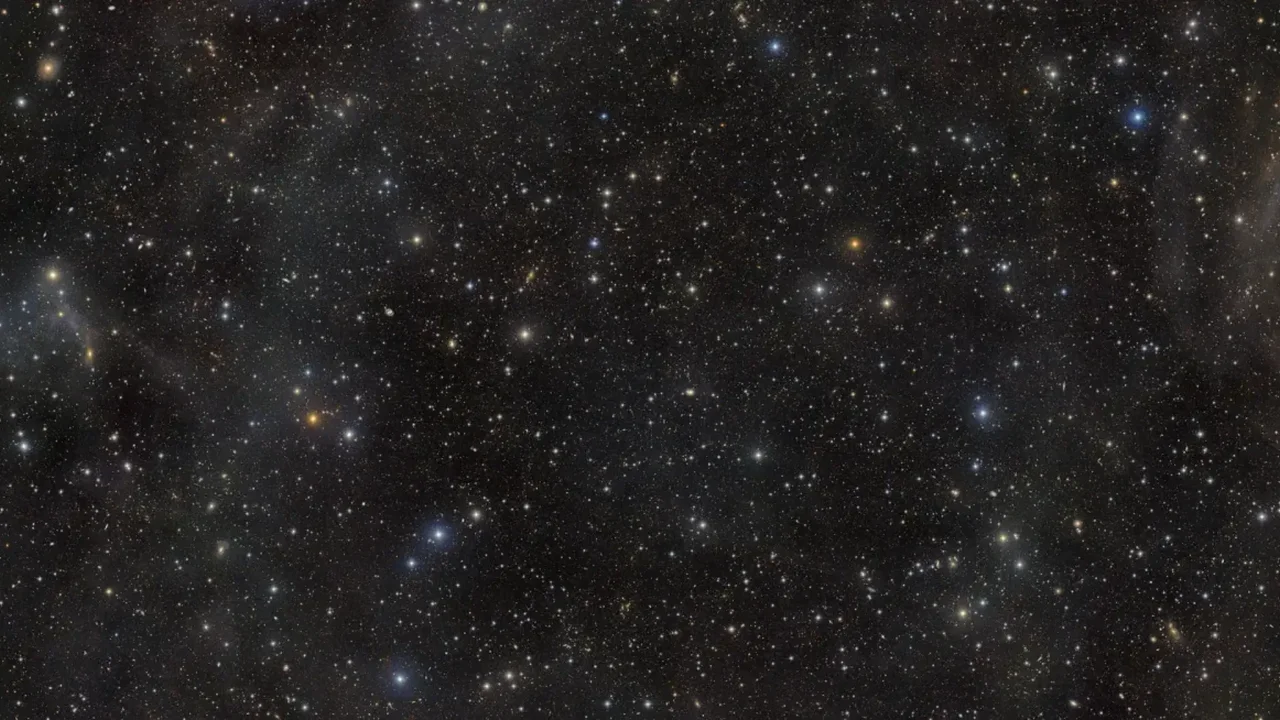
Over the next decade, the observatory aims to image every point in the Southern Hemisphere sky an astonishing 800 times, generating a wealth of data that is unprecedented in its scope. Currently, it is already sending out around 800,000 alerts each night, with projections suggesting this could rise to an impressive 10 million alerts nightly.
"The entire landscape of astronomy is on the brink of a major transformation thanks to this dataset," notes astronomer Sarah Greenstreet, highlighting the potential impact of the observatory in Kimberly Cartier's insightful piece.
What discoveries can we anticipate from Rubin? For starters, the observatory is expected to significantly enhance our understanding of asteroids. While approximately 1.5 million asteroids have already been cataloged in our solar system, Rubin may uncover an additional 4 million.
Furthermore, its continuous observations will allow astronomers to track comets and other celestial bodies in the outer solar system, including elusive trans-Neptunian objects. One of the most intriguing prospects is the potential confirmation of the existence of Planet 9, a hypothetical planet that could reshape our understanding of solar system dynamics.
While the Rubin Observatory is a key player, it is not the only tool in the astronomers' arsenal. Instruments like the Atacama Large Millimeter/submillimeter Array are also providing valuable insights into the solar system, offering a "New View of the Solar System."
Astronomers have long recognized the importance of monitoring temporal changes in celestial objects. Observations of transits, rotations, and orbital movements have led to the discovery of various planetary phenomena, including hot Jupiters and cold Earth-like planets.
As we look ahead, the Rubin Observatory stands at the forefront of astronomical innovation, ready to unveil the mysteries of the universe. With its unparalleled observational capabilities, it promises to significantly advance our understanding of the cosmos and inspire future generations of scientists and enthusiasts alike.