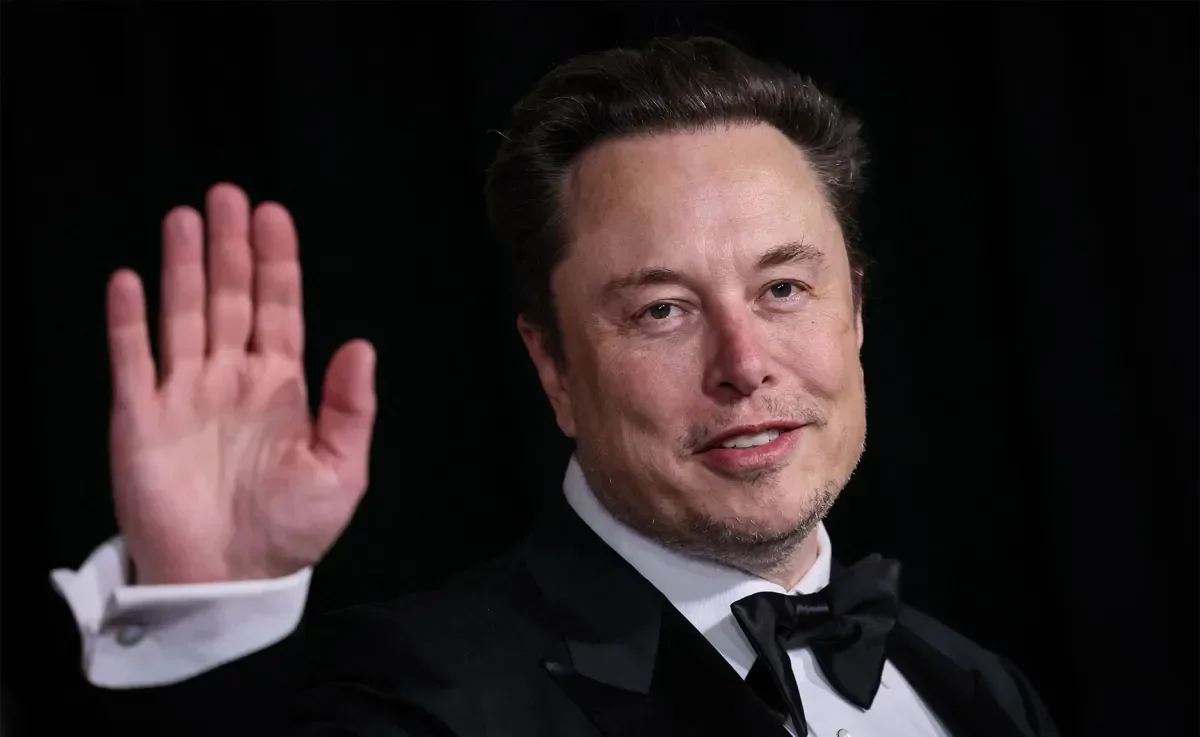
In the realms of aerospace, energy, healthcare, mobility, and media, the landscape of business is evolving. While three decades ago, General Electric dominated the conversation, today, the focus shifts to visionary leaders like Elon Musk. As the CEO of Tesla, xAI, and SpaceX, Musk's ventures also encompass the telecom company Starlink and the social media platform X. His innovative pursuits extend to developing neural implants and underground transportation systems, alongside significant investments in areas like fertility research.
Musk's ambition seems to be steering towards merging several of his enterprises into a unified conglomerate, a move reminiscent of historical business giants.
Frequently compared to figures like Henry Ford, a more fitting analogy could be drawn with John D. Rockefeller or Jack Welch, who transformed GE into a vast conglomerate.
The parallels are intriguing yet distinct. Musk operates as an individual, while GE was a corporate entity. However, Musk's wealth, which surpasses the market capitalization of most companies on the S&P 500, blurs these lines. His net worth is nearing $800 billion, comparable to GE's peak value when adjusted for inflation.
At its zenith, GE was synonymous with its chairman, Jack Welch, much like Musk captivates his contemporaries today. Executives are increasingly adopting "hardcore" management styles and "first-principles thinking," echoing the strategies of the past.
Currently, Musk's enterprises, including Tesla, SpaceX, xAI, Neuralink, and The Boring Company, serve distinct objectives. Yet, recent collaborations suggest a shift, as Tesla and SpaceX have made substantial investments in xAI.
The Everything Company
Not long ago, GE was the world's most valuable corporation, with diverse divisions producing everything from light bulbs to jet engines and medical equipment.
When Welch took charge in 1981, he faced a company struggling to regain its footing. His immediate actions included significant layoffs, earning him the moniker "Neutron Jack." With the savings, he aggressively pursued acquisitions, expanding GE's reach beyond traditional manufacturing into media with the purchase of NBC.
Welch's era redefined management practices, with his strategies becoming a benchmark for future CEOs. His tenure saw GE's value soar from $14 billion to over $400 billion by 2001, with dividends consistently rising.
However, Welch's approach was not without flaws. By the end of his tenure, GE's share price had declined, revealing cracks in the conglomerate model. The 2008 financial crisis exposed significant vulnerabilities within GE Capital, leading to a federal bailout and the eventual decision to split the company into three separate entities.
Interestingly, Musk's business model may evoke comparisons to historical figures from the Gilded Age, like J.P. Morgan and Rockefeller, who also wielded immense power over influential industries.
The Gilded Age CEO
During the Gilded Age, titans like Rockefeller controlled vast enterprises, shaping entire industries. Musk's approach appears to mirror this trend, blending personal ambition with market influence.
The wealth disparities of today echo those of the past, with Musk's fortune reflecting a significant portion of the U.S. GDP. However, the current regulatory environment contrasts sharply with that of the Gilded Age, which lacked any substantial oversight.
The future of Musk's ventures hinges on his strategic choices--whether to consolidate his companies or maintain their independence--and the societal response to his expanding influence. Musk has invested heavily in various initiatives, attempting to sway public opinion and political outcomes.
If Musk successfully merges his companies, he could establish a true conglomerate, a concept that has fallen out of favor in recent years. Historically, conglomerates provided a buffer against market fluctuations, but modern investors often prefer specialized firms for their operational efficiency.
Ultimately, Musk's ability to innovate and inspire will determine how long he can sustain his vision in an ever-evolving business landscape.