In recent years, the surge in artificial intelligence (AI) has transformed the landscape of startup investments. Traditionally, investing in promising startups required going through established venture capital (VC) firms. However, the current AI boom has prompted an increasing number of family offices and private investors to bypass these intermediaries and invest directly in the capital of early-stage companies.
Mitch Stein, founder of Arena Private Wealth, an advisory firm catering to high-net-worth individuals, noted in a recent TechCrunch discussion that "companies are remaining private for extended periods, resulting in fewer initial public offerings (IPOs) than in past decades." He emphasized that significant profits are being generated well before these companies go public, particularly within the AI sector. Family offices investing directly into AI startups are strategically positioning themselves for future success.
Arena recently co-led a substantial $230 million funding round for Positron, an AI chip startup, securing a board seat in the process. Stein explained that this marks a shift from passive investment to an active role in capital markets.
The urgency among family offices to engage with AI is palpable. Ari Schottenstein, Arena's head of alternatives, stated, "The world's AI infrastructure is being constructed now. Early involvement offers opportunities for primary investments and portfolio development, while delay may lead to missed chances."
Stein bluntly added, "The greatest risk lies in not having exposure to AI, rather than the potential pitfalls of AI investments." This sentiment is echoed in recent statistics: in February alone, family offices executed 41 direct investments in startups, predominantly in the AI domain. Noteworthy participants include Laurene Powell Jobs's Emerson Collective and Eric Schmidt's Hillspire.
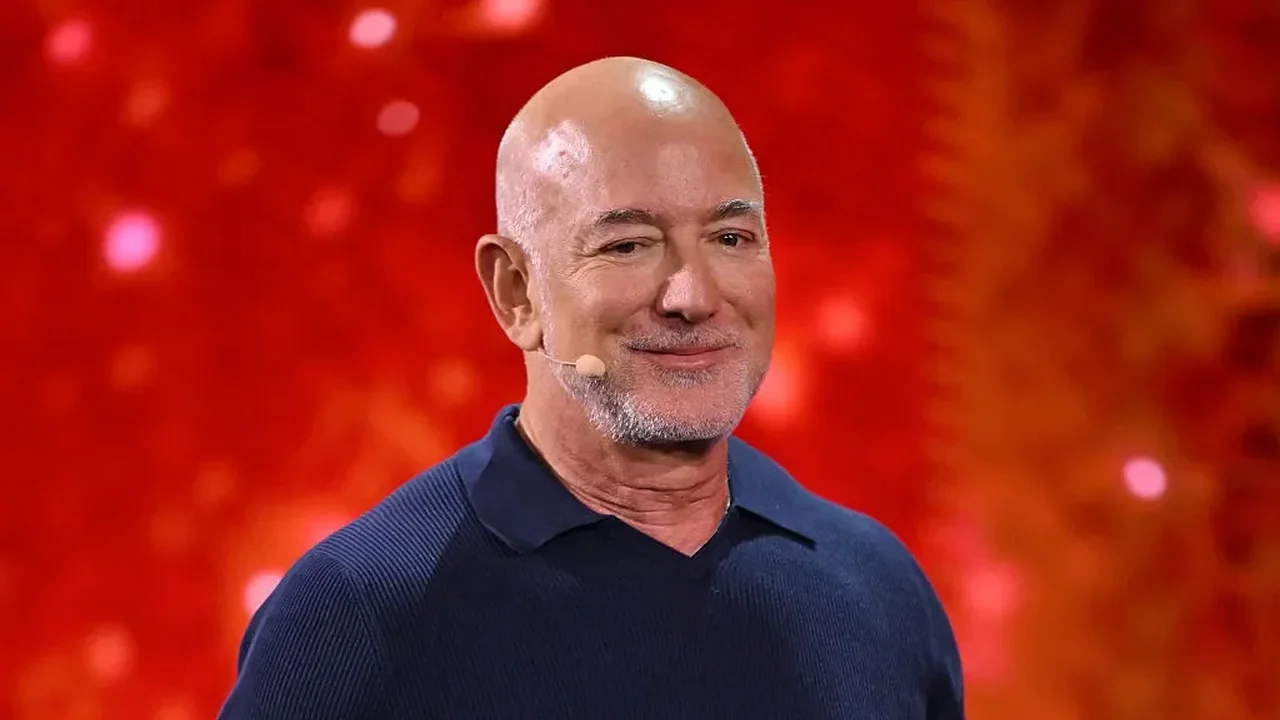
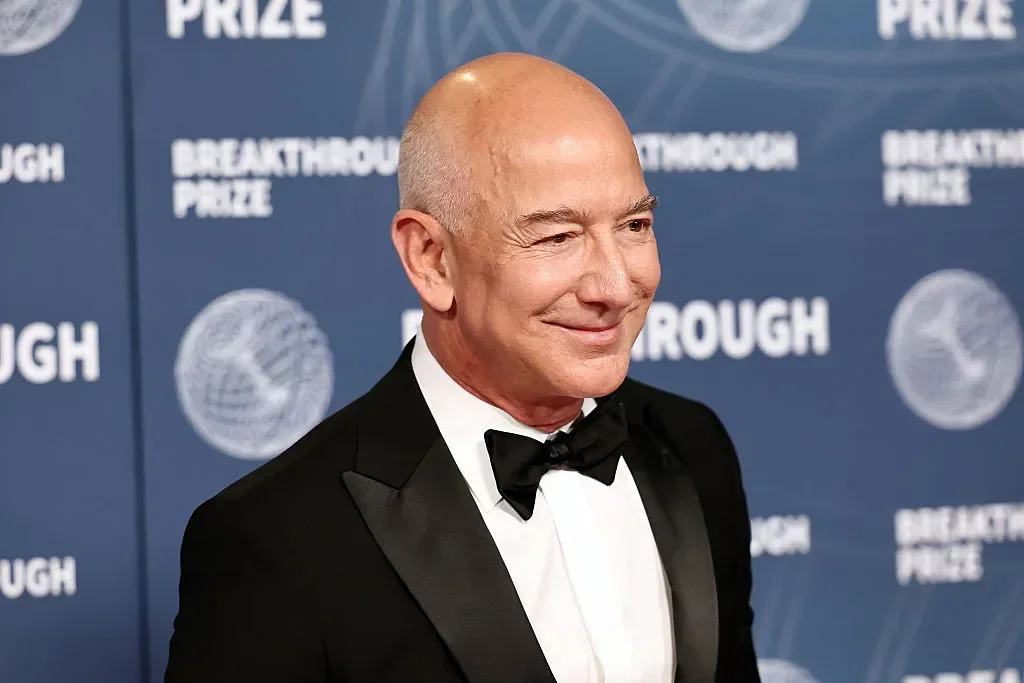
Research by BNY Wealth indicates that 83% of family offices consider AI a top strategic priority over the next five years, with more than half already having AI investments. Some family offices are even taking it further by incubating their own AI ventures, employing entrepreneurial strategies that initially fueled their wealth. A prime example is Jeff Bezos, who has taken on the role of CEO for a robotics startup that raised $6.2 billion last year.
On a smaller scale, Tyson Tuttle, a former CEO of Silicon Labs, co-founded Circuit, an AI-focused startup, raising $30 million in an angel round that included personal investment from his family office.
While many investors are new to founding companies, Arena's team, with a background in institutional finance, emphasizes the importance of thorough due diligence. Schottenstein remarked, "We are meticulous in our approach, often taking time to ensure a company can deliver on its promises."
For their investment in Positron, Arena engaged third-party experts to validate the technology, reflecting their commitment to informed decision-making. This meticulousness extends to their investment strategy, as they prefer a limited number of direct deals each year, significantly increasing the stakes involved.
As the AI sector continues to evolve, the direct involvement of family offices may redefine investment strategies, fostering innovation and shaping the future of technology.