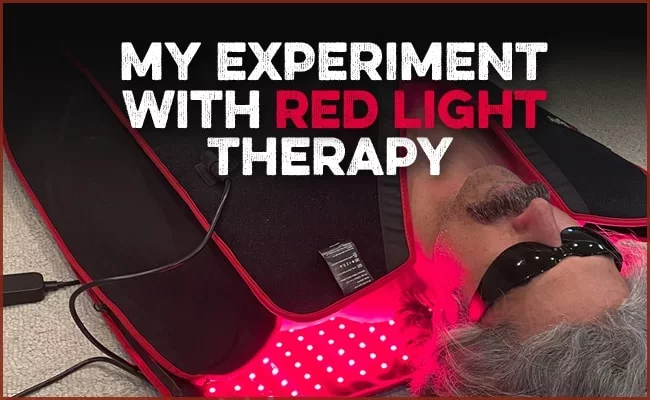
In 1967, Hungarian researcher Endre Mester embarked on an experiment to treat skin cancer in mice using a low-powered ruby laser. While he did not succeed in halting tumor growth, he made an intriguing observation: the mice exposed to light experienced accelerated hair regrowth and faster healing of surgical wounds. This phenomenon, which he termed "laser biostimulation," has evolved into what we now recognize as photobiomodulation (PBM), commonly known as red light therapy.
Despite initial skepticism and a history of exaggerated claims, substantial scientific inquiry has emerged to validate the efficacy of red light therapy. Research indicates that it can assist with skin conditions, enhance muscle recovery, and even provide benefits for mental health.
How Does Red Light Therapy Work?
At the cellular level, mitochondria are responsible for converting nutrients and oxygen into adenosine triphosphate (ATP), the energy currency of life. However, stressors such as injury or aging can lead to the production of nitric oxide (NO), which inhibits ATP generation by blocking vital enzymes. This is where red and near-infrared light come into play. By targeting specific wavelengths, these lights can displace NO, allowing for a surge in ATP production, which promotes faster cellular recovery.
This revitalization triggers the nucleus of the cell to produce antioxidants and proteins that combat inflammation and prevent cell death, laying the groundwork for a multitude of therapeutic applications.
What Benefits Can Red Light Therapy Provide?
When applied correctly, red light therapy can yield significant benefits. Here are some key areas where it shows promise:
Dermatology and Skin Rejuvenation
Red light therapy has garnered attention in dermatology for its ability to address various skin conditions, including acne and wrinkles. A systematic review highlighted its effectiveness in enhancing collagen and elastin production, leading to improvements in skin texture and healing.
Hair Growth
This therapy is also recognized as a non-invasive option for treating androgenetic alopecia (pattern hair loss). Studies have demonstrated that red light can stimulate dormant hair follicles, promoting hair growth and thickness.
Muscle Recovery
In athletics, red light therapy is gaining traction for its role in facilitating recovery post-exercise. Research indicates that it can reduce markers of muscle damage and enhance endurance, making it a valuable tool for athletes.
Inflammation and Pain Management
Clinical studies suggest that PBM can alleviate pain and inflammation by modulating neural excitability and decreasing inflammatory mediators, making it a potential adjunct therapy for conditions like osteoarthritis.
Mental Health
Emerging research is exploring the application of red light therapy in neurology, particularly for mood disorders. Early findings suggest it may help alleviate depressive symptoms, especially in older adults.
In conclusion, red light therapy is not merely a trend but a scientifically backed approach with the potential to transform various aspects of health and wellness. As research continues to unfold, we may see even broader applications and acceptance of this innovative therapy in mainstream healthcare.