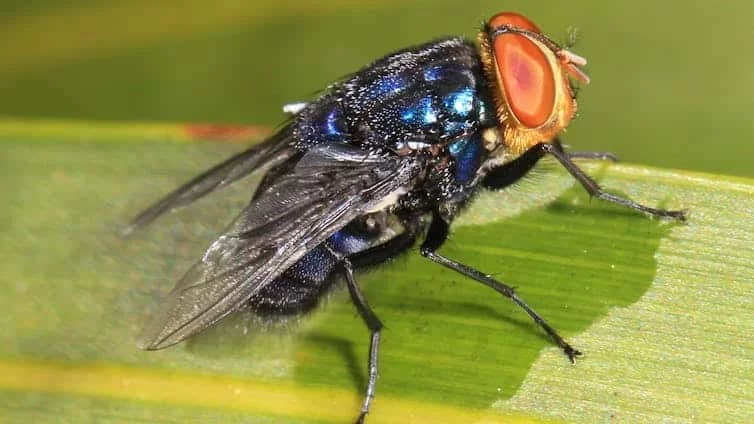
The New World screwworm fly, scientifically known as Cochliomyia hominivorax, poses a significant threat as it lays eggs in open wounds of warm-blooded animals, including humans. The larvae consume the host's flesh, leading to severe injuries and potential fatalities.
Historically, this pest was prevalent in the southern U.S. before the 1950s, causing substantial financial losses in the cattle industry. However, concerted eradication efforts throughout the latter half of the 20th century successfully eliminated it from North and Central America.
Recently, there has been a resurgence of screwworm cases in Central America, with the fly advancing northward through Mexico into states bordering Texas, such as Tamaulipas and Nuevo Leon. This resurgence raises alarms about a possible reinfestation in the U.S., which could have dire economic implications.
The eradication strategy employed previously was the sterile insect technique (SIT). This method involves breeding and sterilizing male flies, which are then released into the wild to mate with females, resulting in no offspring. While this approach has seen success, it requires stringent control measures to prevent fertile females from re-entering affected areas.
Effective SIT implementation necessitates limited immigration of fertile females into controlled zones. It thrives in isolated populations, but in more interconnected environments, continuous monitoring and barriers are essential to prevent re-infestation.
Despite its historical success in eradicating the screwworm from the U.S. and Central America, recent outbreaks have highlighted vulnerabilities in surveillance and control efforts. Factors contributing to this resurgence include budget cuts affecting control programs and the illegal movement of cattle without proper veterinary inspections.
The natural habitat of the New World screwworm extends from the southern U.S. to parts of South America. In the past, its spread was seasonal, moving northward each summer from the U.S.-Mexico border. The consequences of a screwworm epidemic can be severe, as evidenced by the 1935 outbreak in Texas, which resulted in thousands of cases among livestock and humans.
To combat the current situation, significant investments in screwworm control have been announced. However, the challenge lies in the pest's entrenched presence in Central America, necessitating a multifaceted approach that may include insecticides alongside SIT.
As new facilities are being established to produce sterile flies in Texas, the importance of international collaboration in pest management becomes evident. Insects disregard borders, and proactive measures are crucial to prevent costly outbreaks in the future. The ongoing threat of pests like the screwworm underscores the need for sustained research, training of new experts, and robust control strategies to safeguard agricultural interests.