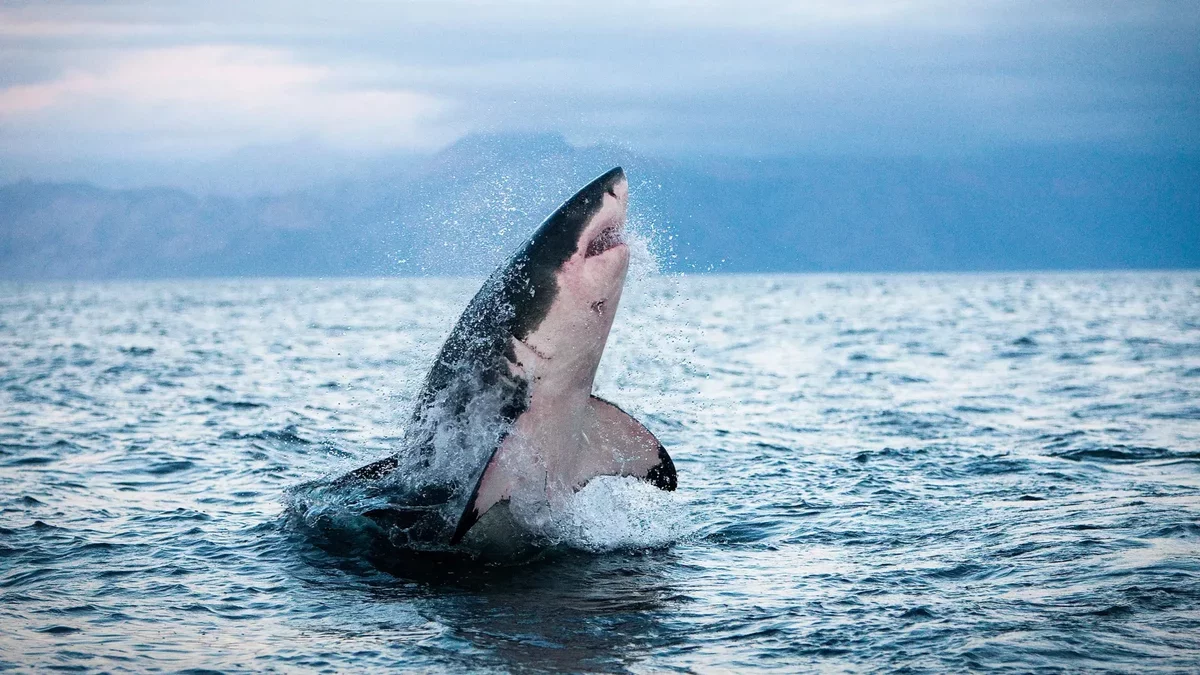
Groundbreaking research from Trinity College Dublin, in collaboration with the University of Pretoria's Faculty of Veterinary Science, reveals that certain warm-bodied fish, including various tunas and notable shark species like the Great White and basking shark, expend nearly four times more energy than their cold-blooded counterparts of similar size. As ocean temperatures rise, these species face an increased risk of overheating, potentially limiting their habitats and driving them toward cooler waters near the poles.
Understanding "Mesothermic" Fish
The study, published in the journal Science, shines a light on "mesothermic" fishes, a rare category comprising less than 0.1% of all fish species. These unique creatures can maintain body heat and keep certain parts of themselves warmer than the surrounding water, an evolution that has occurred independently across several shark and tuna species. This adaptation enhances their swimming speed, long-distance travel capabilities, and hunting efficiency.
To assess the energy demands of these high-performance fish, researchers developed an innovative method to estimate metabolic rates while swimming freely in their natural habitats. By utilizing biologging data from sensors that monitor body and water temperatures, they calculated real-time heat production and loss. The study included data from large basking sharks weighing up to 3.5 tonnes, combined with extensive laboratory measurements from smaller species.
Dr. Nicholas Payne, the lead author from Trinity's School of Natural Sciences, noted, "Our findings were striking. After adjusting for body size and temperature, we discovered that mesothermic fishes use approximately 3.8 times more energy than similarly sized cold-blooded fish. Furthermore, a 10°C rise in body temperature can more than double a fish's metabolic rate, meaning these warm-bodied predators require significantly more food to sustain their lifestyle."
The Challenges of Size and Heat
Dr. Payne elaborated that the increased energy demand poses additional challenges. "As fish grow larger, their bodies generate heat more rapidly than they can dissipate it, creating a geometric and physical mismatch. This effect is amplified in mesothermic species due to their high metabolic rates."
This imbalance leads larger fish to become increasingly "warm-bodied" over time, heightening their risk of overheating, which has profound implications for their survival and habitat preferences.
Defining Heat-Balance Thresholds
Professor Andrew Jackson, the study's senior author, explained that the team established "heat-balance thresholds," indicating the water temperatures at which large fish struggle to release heat effectively. For instance, a 1-tonne warm-bodied shark may find it challenging to maintain thermal balance in waters exceeding 17°C. Above these thresholds, fish must adapt their behavior, potentially compromising their ability to hunt effectively.
Implications for Habitat and Migration
The findings clarify why large fish often inhabit cooler waters at higher latitudes or greater ocean depths, with many species migrating seasonally to remain within favorable temperature ranges.
As global temperatures continue to rise, researchers anticipate a decrease in suitable habitats for large mesothermic fish, particularly during warmer months. While some species, like the Atlantic bluefin tuna, can temporarily adapt by diving deeper or increasing heat loss, these strategies may prove inadequate if surface waters persist in warming.
Looking to the Future
This research underscores the challenges faced by high-performance ocean predators as they approach their physiological limits due to climate change. Understanding these dynamics is crucial for predicting shifts in marine ecosystems and ensuring the survival of these remarkable species.