In the 1940s, Richard Wright's groundbreaking novel Native Son ignited a transformative wave in American literature, leaving a lasting impact that resonates even today. Among those inspired by Wright was John Wilson, a talented artist born in 1922 to Guyanese parents in Roxbury, Massachusetts. Emerging in the art scene shortly after Wright's literary prominence, Wilson's works reflect the profound influence of Wright's writing, with themes of social justice and resilience.
The exhibition Witnessing Humanity: The Art of John Wilson, currently showcased at the Metropolitan Museum of Art, features several pieces that draw inspiration from Wright's literary contributions. Notable works include lithographs titled Black Boy (1965) and Native Son (1942), which highlight the intersection of art and literature in addressing societal issues.
Through this exhibition, Wilson is revealed as a fervent reader whose artistic vision was deeply shaped by Wright's protest literature. Visitors will observe how Wilson, much like Wright, grappled with the emotional consequences of racial violence depicted in his art. This connection underscores the shared experiences of their characters, who strive to uphold their dignity amidst oppression.
Both artists tackled themes of economic and social domination, echoing the Marxist idea that social conditions shape consciousness. Wright's characters and Wilson's subjects vividly illustrate the struggles of marginalized individuals, emphasizing the ongoing fight for dignity and justice.
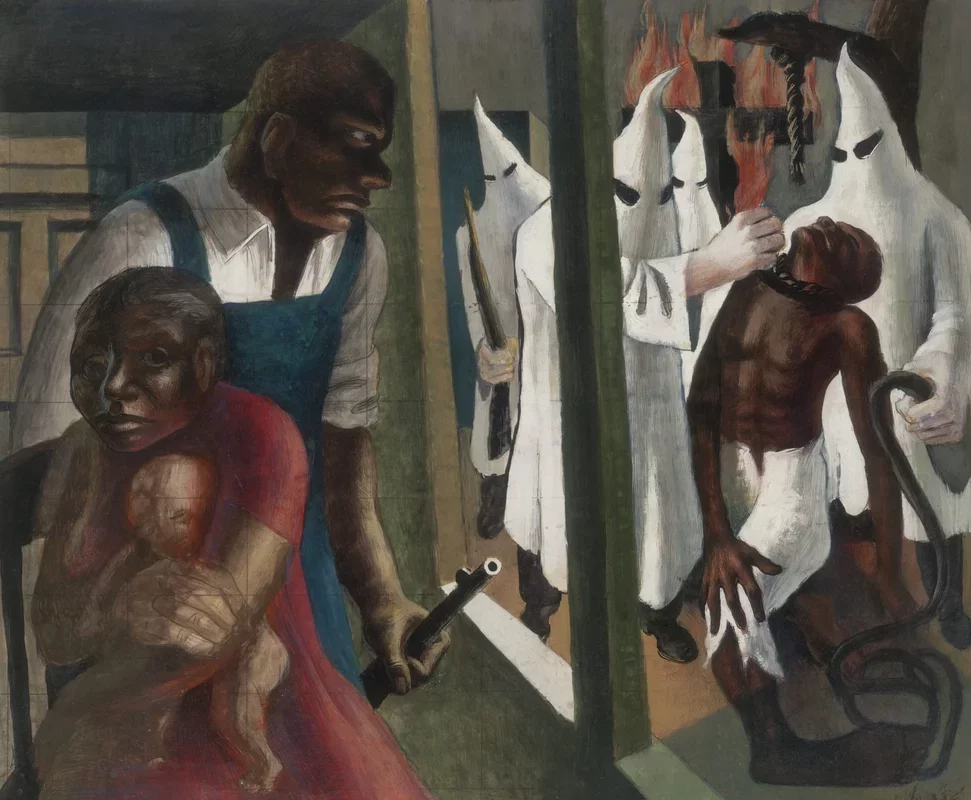
Wilson's acclaimed piece The Incident (1952) draws directly from Wright's Uncle Tom's Children, depicting a scene of protection against racial violence. The mural captures a father's fierce determination to shield his family, mirroring the protective instincts found in Wright's narratives. Wilson articulated this connection by stating that Wright's words encapsulated the visual struggles he aimed to portray in his art.
In parallel to The Incident, Wilson's earlier lithograph Breadwinner (1943) reflects the harsh realities faced by Black workers. The figure depicted is burdened by the weight of societal expectations and economic hardship, prompting a reflection on the true nature of freedom in a post-slavery America.
Throughout his career, Wilson maintained a dialogue with Wright's legacy. In 2001, he created The Richard Wright Suite, a series of etchings inspired by Wright's novella Down by the Riverside, demonstrating the enduring bond between their artistic visions.
Wilson's early experiences with leftist publications and his exposure to the works of contemporary artists like Fernand Léger and José Clemente Orozco enriched his artistic perspective. His later works celebrated the dignity of labor and the potential of the worker, showcasing a shift toward a more uplifting representation of Black identity.
As the Witnessing Humanity exhibition unfolds, it resonates with contemporary movements advocating for justice, reminding us of the power of art to inspire change. Wilson's legacy, intertwined with Wright's vision, serves as a testament to the enduring impact of protest art in the fight for equality.